
Summary
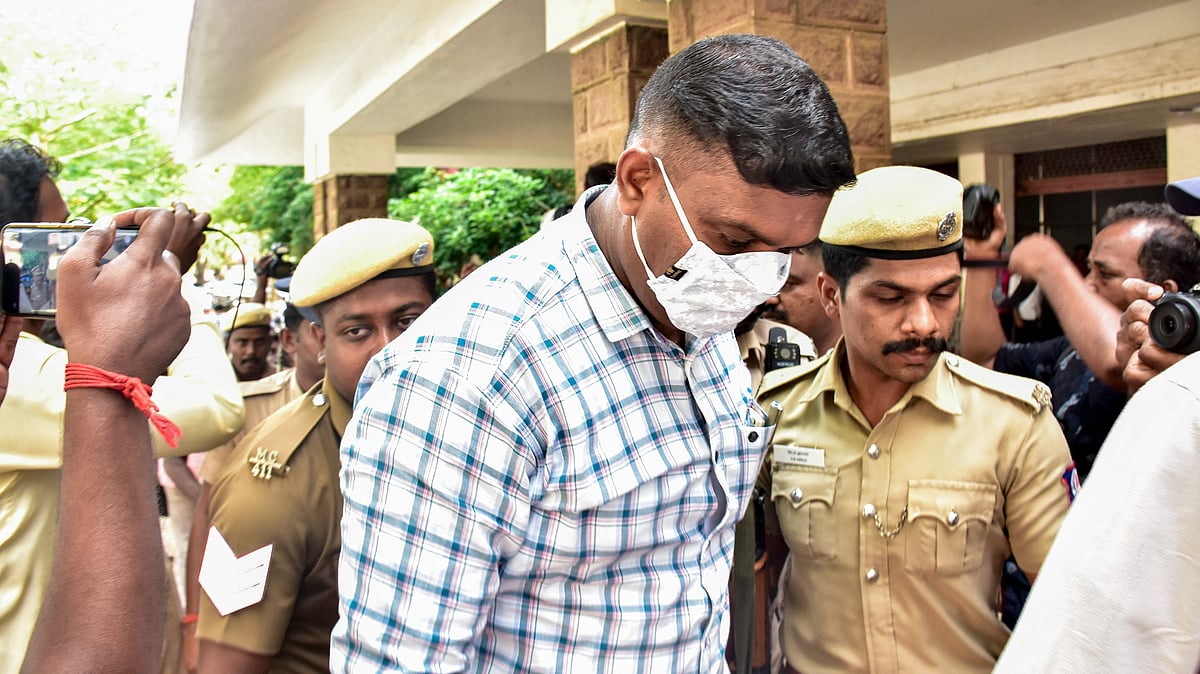
A court in Tamil Nadu has delivered a historic judgment by sentencing nine police officers to death. The officers were found guilty of killing a father and his son while they were in police custody in 2020. This case, known as the Sathankulam custodial death case, shocked the entire country due to the extreme violence involved. The judge described the crime as one of the most terrible acts possible, especially since it was committed by people hired to protect the public.
Main Impact
This verdict is a major step in holding law enforcement accountable for their actions. It sends a very clear message that wearing a uniform does not put a person above the law. By choosing the death penalty, the court has shown that brutal violence by the police will not be tolerated. This decision is expected to change how police departments across India handle arrests and treat people in their care. It also brings a long-awaited sense of justice to the family of the victims, who have been fighting for this day for nearly six years.
Key Details
What Happened
The story began in June 2020 in a small town called Sathankulam. At that time, India was under strict rules because of the COVID-19 pandemic. P. Jayaraj and his son, J. Bennix, ran a mobile phone shop. Police officers took them into custody because they allegedly kept their shop open for a few minutes past the allowed time. While they were at the police station, the father and son were severely beaten and tortured by several officers. They were later moved to a hospital, but both died from their injuries shortly after. The news of their deaths led to massive protests and a demand for the officers to be punished.
Important Numbers and Facts
The trial was a long and detailed process that involved many people and a lot of evidence. Here are the key facts from the case:
- 9 Officers Sentenced: All nine police personnel involved in the assault received the death penalty.
- 1.40 Crore Rupees: The court ordered a total fine of this amount to be paid as compensation to the victims' family.
- 105 Witnesses: Over the course of the trial, more than a hundred people gave their statements to the court.
- 5 Years: It took nearly five years of legal battles to reach this final verdict.
- 10 Original Accused: Originally, ten people were charged, but one officer died from health issues before the trial ended.
Background and Context
Custodial death is a term used when a person dies while being held by the police or in prison. In India, these cases are often difficult to prove because the evidence is usually inside a police station where other officers might try to protect their colleagues. The Sathankulam case was different because the public outcry was so loud that the government had to take it seriously. The Madras High Court stepped in early and handed the investigation over to the Central Bureau of Investigation (CBI), which is a top national agency. This helped ensure that the investigation was fair and that the local police could not hide the truth.
Public or Industry Reaction
The reaction to the death penalty sentence has been very strong. Many people feel that this is the only way to stop police brutality. Human rights groups have pointed out that while the death penalty is rare, it was necessary in this case to show that the state will not ignore murder by its own officers. The judge, G. Muthukumaran, noted that the police are supposed to be the friends of the common man. When they turn into attackers, it breaks the trust that society has in the legal system. The family of Jayaraj and Bennix expressed relief that the court recognized the pain they went through.
What This Means Going Forward
This ruling will likely be studied by legal experts and police departments for a long time. It serves as a warning to every officer that they can face the highest punishment if they abuse their power. In the future, this might lead to better training for police on how to handle suspects without using violence. There may also be more pressure to install cameras in all parts of police stations to prevent such incidents from happening again. While the convicted officers have the right to appeal this decision in higher courts, the current verdict stands as a powerful statement against custodial torture.
Final Take
The sentencing of nine officers to death is a rare and serious moment in the history of the Indian legal system. It proves that the law can work for the people, even when the accused are powerful government employees. This case started with a simple rule about shop hours and ended in a tragedy that changed the lives of a family forever. Now, with this verdict, there is hope that such a tragedy will never be repeated. Justice has been served, and a clear line has been drawn regarding what is acceptable behavior for those in power.
Frequently Asked Questions
Why did the police arrest the father and son?
They were arrested for allegedly keeping their mobile phone shop open for a short time after the permitted hours during the COVID-19 lockdown in June 2020.
What does "rarest of rare" mean in this case?
In India, the death penalty is only given in "rarest of rare" cases. The judge used this term because the people who were supposed to protect the citizens were the ones who committed a brutal murder.
Can the police officers appeal this sentence?
Yes, the convicted officers have the right to challenge the death penalty in the High Court and later in the Supreme Court of India.

