Summary
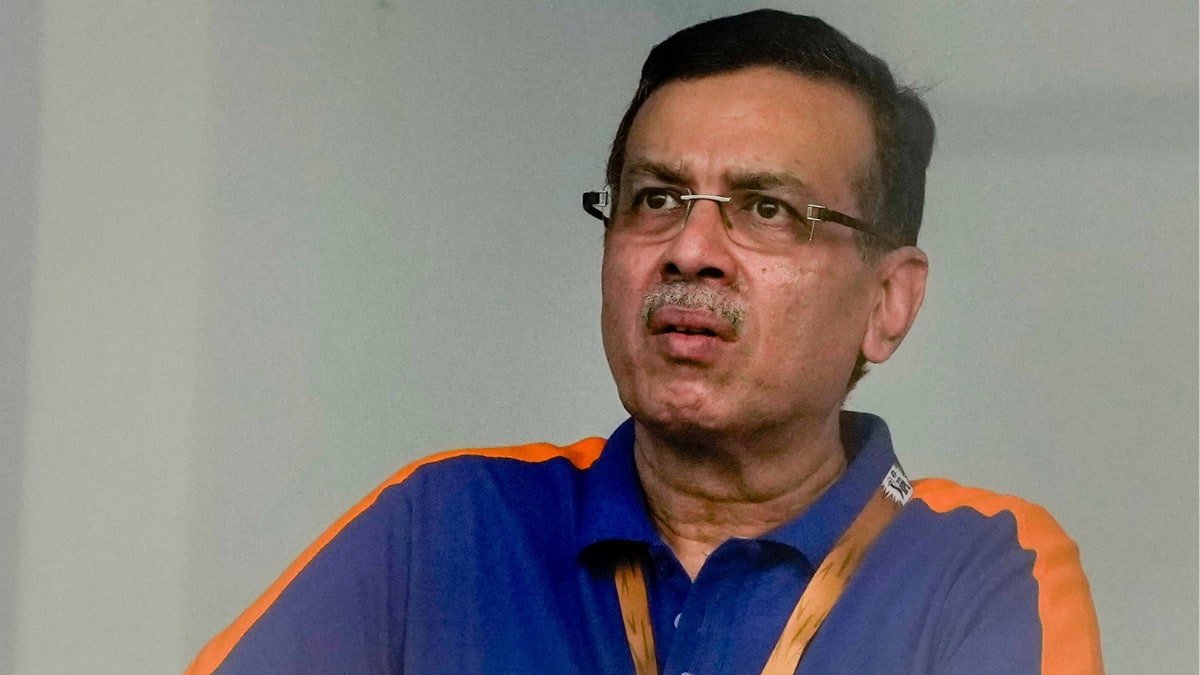
The Delhi High Court has stepped in to protect Sanjiv Goenka, the owner of the Lucknow Super Giants (LSG) cricket team, from online abuse. During the current Indian Premier League (IPL) season, many social media users have been sharing fake and edited videos of the businessman. The court ruled that while people can share opinions, they cannot use technology to create false and harmful images of others. This decision helps protect the "personality rights" of public figures who face harassment online.
Main Impact
This court order is a major step in defining what is allowed on social media. It shows that there is a clear line between making a joke and spreading lies. By protecting Sanjiv Goenka, the court is sending a message to content creators that using someone’s face in fake videos is illegal. This ruling protects the reputation of high-profile individuals and the many people who work for their companies. It also sets a rule for how social media platforms must handle content that uses "deepfakes" or edited media to hurt someone's name.
Key Details
What Happened
Sanjiv Goenka’s legal team went to court because of a large amount of abusive content appearing online. They showed the court that people were taking Goenka’s face and putting it onto other people’s bodies in videos. These videos often showed him in violent or very rude situations that never actually happened. His lawyers argued that these were not just jokes but were meant to make him look bad in front of the public. The court agreed that these fake videos were creating a false story about how the industrialist behaves in real life.
Important Numbers and Facts
The legal action was led by Senior Advocate Sandeep Sethi, who represented Goenka. The evidence included several examples of "morphed" media, which is when technology is used to change a person's appearance in a video or photo. The court noted that Goenka is not just a sports team owner but also leads large business groups with thousands of employees. Because of this, the court felt it was important to stop the spread of these lies before they caused real-world harm to his businesses and the people who work there.
Background and Context
In India, the IPL is more than just a game; it is a massive event where emotions run very high. Fans often use social media to talk about players and team owners. Sometimes, this talk turns into "trolling," where people post mean or hurtful things. In recent years, technology has made it easier for trolls to create very realistic fake videos. These are often called "personality rights" cases. A person has the right to control how their name, voice, and face are used by others, especially for commercial or harmful reasons. This case is part of a growing trend where famous people are asking the courts to help them stop digital bullying.
Public or Industry Reaction
The legal world and the sports industry are watching this case closely. Many experts believe that public figures should expect some level of criticism, but they also agree that fake media goes too far. During the court session, the judges talked about the balance between free speech and the right to privacy. They mentioned that a famous person cannot stop the public from ever using their name. However, the industry reaction suggests that there is a need for stricter rules against "face morphing." Most people agree that while satire and parody are fine, creating fake events to ruin a person's life is not acceptable.
What This Means Going Forward
This ruling will likely change how people post about celebrities and sports figures during the IPL and other big events. Social media users will have to be more careful about the content they create and share. If a video is found to be a fake that hurts someone's reputation, the creator could face legal trouble. For social media companies, this means they may have to work harder to remove morphed content quickly. In the future, we might see more celebrities using this "personality rights" law to protect themselves from deepfakes and online harassment.
Final Take
The Delhi High Court has made it clear that the internet is not a place where anything goes. Protecting a person's image is just as important as protecting their physical property. While fans have the right to disagree with a team owner, they do not have the right to invent fake stories using edited videos. This decision brings more fairness to the digital world and ensures that technology is not used as a tool for character assassination.
Frequently Asked Questions
What are personality rights?
Personality rights are the legal rights of a person to control how their name, image, likeness, or other personal features are used by others. This prevents people from using a celebrity's face to sell products or spread lies without permission.
Why did the court protect Sanjiv Goenka?
The court protected him because people were using "morphed" or edited videos to show him in fake, violent, and inappropriate situations. The court decided this went beyond fair humor and was meant to damage his reputation.
Can people still make jokes about IPL owners?
Yes, the court said that public figures must expect some level of satire and commentary. However, there is a difference between making a joke and using technology to create a completely fake and harmful identity or event.