
Summary
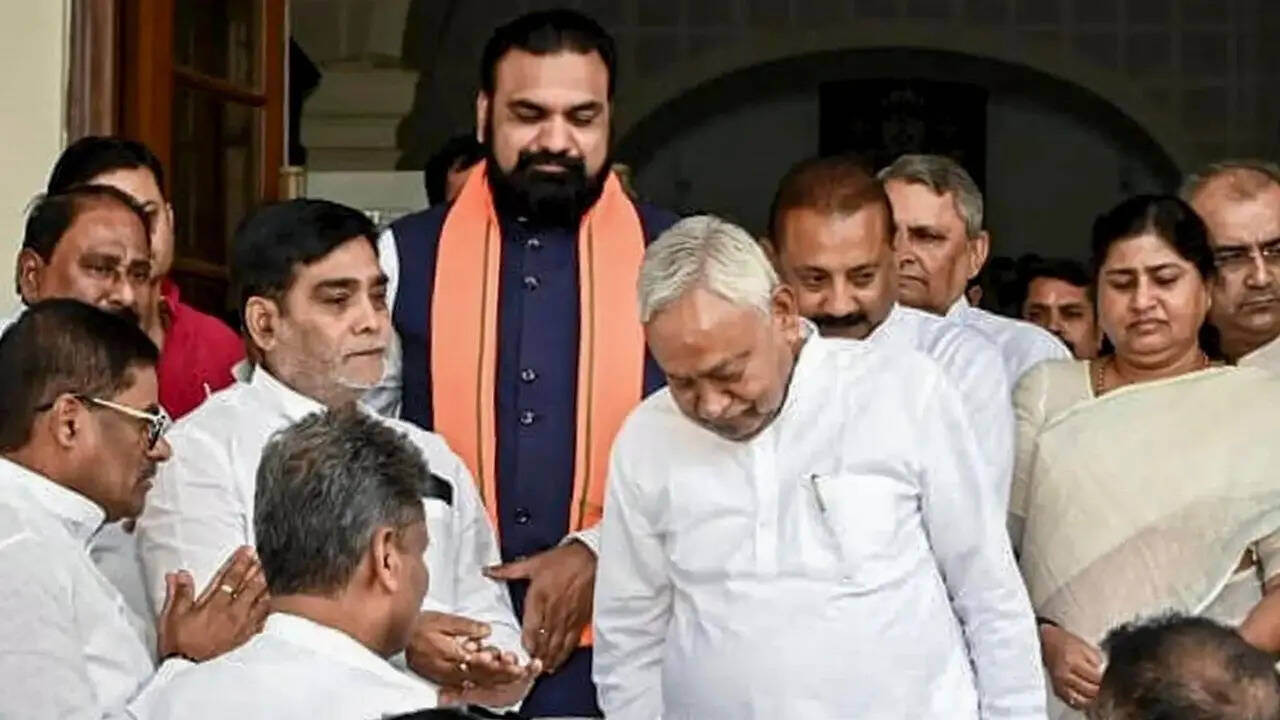
Samrat Choudhary has firmly established himself as a major power player in Bihar politics. His rise to the position of Deputy Chief Minister marks a significant shift in how the Bharatiya Janata Party (BJP) builds its leadership in the state. Known for his famous "muretha" (turban) vow, Choudhary spent months wearing a saffron headwrap as a symbol of his protest against the previous state government. Now that the political tides have turned, his journey from a young minister in the 1990s to a top leader today has reached a major milestone.
Main Impact
The rise of Samrat Choudhary is more than just a personal success story; it represents a strategic move by the BJP to broaden its appeal. By promoting a leader who does not come from a traditional Rashtriya Swayamsevak Sangh (RSS) background, the party is signaling that it is open to talent from all political corners. This move has helped the BJP strengthen its connection with the Kushwaha community and other backward classes, which are vital for winning elections in Bihar. His presence in the top tier of government changes the balance of power within the state's ruling alliance.
Key Details
What Happened
Samrat Choudhary became a household name in Bihar due to a very public promise. He began wearing a saffron turban and declared he would not remove it until Nitish Kumar left the "Mahagathbandhan" alliance with the RJD. This vow, known locally as the "muretha" vow, became a symbol of his defiance. When the political situation changed and Nitish Kumar joined forces with the BJP again, Choudhary’s protest ended. He eventually visited Ayodhya to offer his turban at the feet of the deity, marking the completion of his pledge. Today, he serves as one of the most influential voices in the Bihar cabinet.
Important Numbers and Facts
Samrat Choudhary’s political career started remarkably early. In the late 1990s, he became a minister in the Rabri Devi government when he was in his mid-20s. While there were legal questions about his age at the time, his early entry into power showed his natural talent for politics. He is the son of Shakuni Choudhary, a veteran leader and a founding member of the Samata Party. Over the years, Samrat has moved through different political parties, including the RJD and JD(U), before finding a prominent home in the BJP. His ability to navigate these different groups has made him a versatile and experienced politician.
Background and Context
To understand why Samrat Choudhary matters, one must look at the history of Bihar’s political families. His father, Shakuni Choudhary, was a contemporary of legendary figures like Lalu Prasad Yadav and Nitish Kumar. Growing up in a household where politics was the daily bread, Samrat learned how to build alliances and manage local voter bases from a young age. Bihar politics is often defined by caste loyalties and long-standing rivalries. Samrat belongs to the Magadh region, an area with deep historical and political roots. By becoming the "Choudhary of Magadh," he is filling a leadership role that his father once held, but on a much larger, state-wide scale.
Public or Industry Reaction
The reaction to his rise has been mixed but mostly focused on his effectiveness. Supporters see him as a man of his word who used a simple piece of clothing—the turban—to keep the public focused on his political goals. They view him as a bold leader who is not afraid to challenge established figures. On the other hand, political critics point to his history of switching parties as a sign of opportunism. However, within the BJP, his appointment has been welcomed as a way to bring fresh energy and a different perspective to a party that is often seen as having a very rigid internal structure.
What This Means Going Forward
Looking ahead, Samrat Choudhary faces the difficult task of balancing his role as a loyal BJP leader with the needs of his local supporters. He is now seen as a potential candidate for even higher office in the future. His main challenge will be maintaining the current alliance while ensuring the BJP continues to grow its own strength in Bihar. As the state prepares for future elections, all eyes will be on how he manages the complex relationship between different caste groups and how he delivers on promises of development and governance. His success or failure will likely determine the BJP's path in Bihar for the next decade.
Final Take
Samrat Choudhary has proven that personal conviction and a strong family legacy can still drive a political career to the highest levels. By fulfilling his vow and securing a top spot in the government, he has moved from being a vocal critic to a key decision-maker. His story is a reminder that in the world of politics, patience and a clear identity are often the keys to long-term success.
Frequently Asked Questions
What was Samrat Choudhary’s turban vow?
He vowed to wear a saffron turban and not remove it until Nitish Kumar ended his alliance with the RJD. He fulfilled this vow when the government changed and he became Deputy Chief Minister.
Which political parties has he been a part of?
Before joining the BJP, Samrat Choudhary was a member of the Rashtriya Janata Dal (RJD) and the Janata Dal (United). He served as a minister under different administrations before moving to the BJP.
Why is he called the "Choudhary of Magadh"?
The title refers to his strong political influence in the Magadh region of Bihar and his family's long history of leadership in that area, following in the footsteps of his father, Shakuni Choudhary.



