
Summary
The Indian National Congress party has launched a strong attack on the BJP-led government following recent comments from the United States. The White House stated that it had "permitted" India to accept shipments of Russian oil as a temporary measure. Congress leaders described this statement as a sign of surrender by Prime Minister Narendra Modi's government. They argue that the language used by the U.S. insults India’s independence and shows a lack of respect for the nation's right to make its own decisions.
Main Impact
This political row highlights a deep disagreement over how India manages its energy needs and its relationships with world powers. While the U.S. government views the oil waiver as a practical step to keep global energy prices stable, the opposition in India sees it as a blow to national pride. The situation forces the Indian government to defend its foreign policy choices at a time when global oil markets are under great pressure due to conflicts in West Asia.
Key Details
What Happened
White House Press Secretary Karoline Leavitt recently announced that the United States is allowing India to receive Russian oil that is already on ships at sea. She explained that this was a short-term decision made by President Donald Trump and his national security team. The goal is to make sure there is enough oil in the world market to prevent prices from jumping too high. However, the use of the word "permitted" and calling India "good actors" sparked anger among opposition leaders in India.
Important Numbers and Facts
The U.S. has granted a 30-day waiver for these oil shipments. This means Indian refineries have one month to accept the Russian oil that was already moving across the ocean. The decision involves high-level officials, including U.S. Treasury Secretary Scott Bessent. U.S. officials also made it clear that they expect India to buy more energy from the United States in the future to replace what it currently gets from Russia.
Background and Context
The world is currently facing an energy crisis because of fighting in West Asia, particularly involving Iran. This conflict has made it difficult and dangerous to move oil through important sea routes like the Strait of Hormuz. When oil supplies are threatened, prices usually go up for everyone. To prevent this, the U.S. decided to let some Russian oil reach India. India relies heavily on imported oil to run its economy, and Russia has become a major supplier over the last few years. The U.S. generally tries to limit Russia's income from oil sales, but in this case, they felt that keeping the market stable was more important for a short time.
Public or Industry Reaction
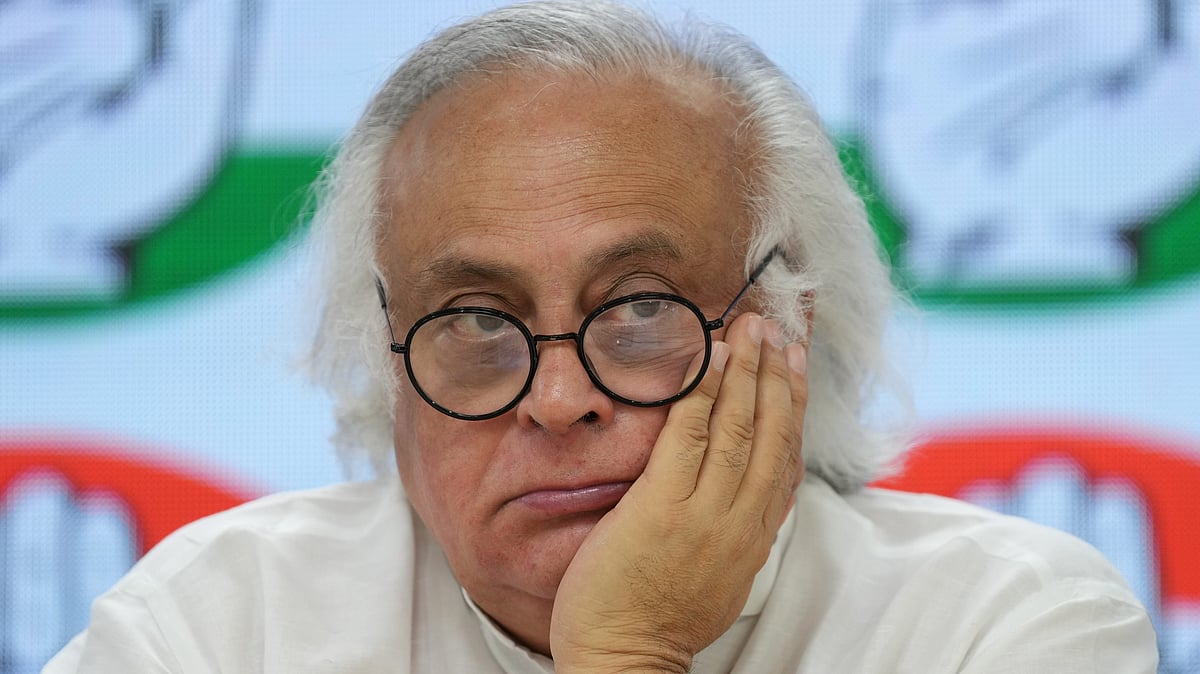
Jairam Ramesh, a senior leader in the Congress party, was very vocal in his criticism. He shared a video of the White House press briefing and said the government had received a "capitulation certificate." He suggested that the Modi government had agreed to stop buying Russian oil earlier and was now being "rewarded" with a small window to buy more. The Congress party’s official social media accounts questioned why the Indian government did not protest against the U.S. using language that makes India sound like it needs permission to trade. So far, the central government has not given a formal response to these specific accusations from the opposition.
What This Means Going Forward
In the coming weeks, Indian refineries will work to process the oil shipments that are currently at sea. However, the 30-day limit means this is not a permanent solution. The U.S. is pushing India to sign more deals for American energy, which could change where India gets its fuel in the long run. Politically, the Indian government will likely face more questions about its ability to stand up to international pressure. The debate over whether India is truly independent in its trade choices will likely continue as long as the conflict in West Asia keeps the energy market uncertain.
Final Take
This situation shows how difficult it is for a country to balance its economic needs with its national image. While getting oil is necessary for India's growth, the way the deal was described by the U.S. has created a political problem at home. The government must now find a way to secure energy for its citizens without appearing to lose its voice on the global stage. The words used by foreign officials can have a huge impact on local politics, turning a simple trade matter into a heated debate about national dignity.
Frequently Asked Questions
Why did the U.S. give India a 30-day oil waiver?
The U.S. granted the waiver to help stabilize global oil prices. Because of the conflict in West Asia, there are fears of an oil shortage. Allowing India to take oil already at sea helps keep the supply steady.
Why is the Congress party angry about the U.S. statement?
The Congress party objects to the U.S. saying it "permitted" India to buy oil. They believe this language suggests India is not a fully independent country and must ask for permission from Washington to conduct trade.
Will India continue to buy Russian oil after the 30 days?
The current waiver is only for 30 days and covers oil already on ships. The U.S. has expressed that it wants India to buy more energy from America instead of Russia in the future, so the long-term plan is still unclear.

