
Summary
The Indian National Congress (INC) has raised serious questions about the Indian government's recent dealings with the United States regarding oil imports. This criticism follows a decision by the U.S. government to grant India a short, 30-day window to continue buying Russian crude oil. Congress leaders argue that this temporary permission shows that India is being pressured by American interests. The situation highlights the ongoing struggle for India to balance its energy needs with its international relationships during a time of global tension.
Main Impact
The immediate effect of this waiver is that Indian oil refineries can receive shipments of Russian oil that are already at sea. Without this permission, these shipments could have faced legal trouble or financial penalties from the U.S. government. However, the political impact is much larger. It shows that the United States still holds significant power over India's energy choices. While the waiver provides a short-term fix for energy supplies, it also forces India to reconsider its long-term partnership with Russia, which has been a major source of cheap fuel for the country.
Key Details
What Happened
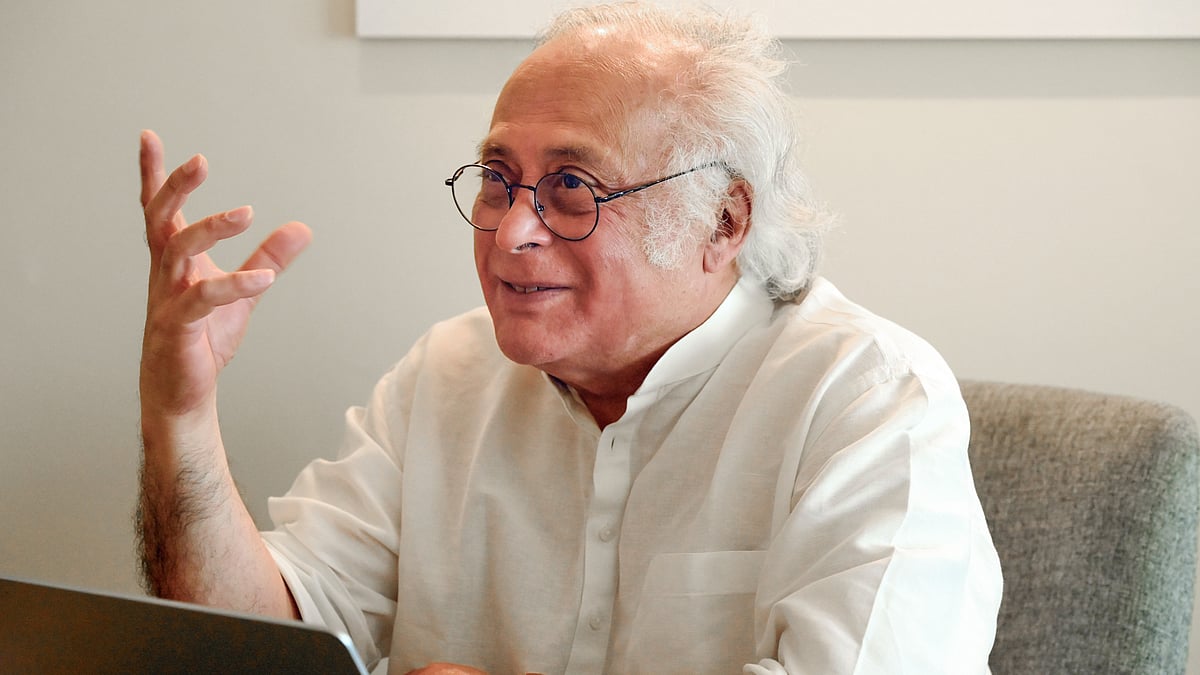
Jairam Ramesh, a senior leader of the Congress party, publicly criticized the government of Prime Minister Narendra Modi. He used a short poem to suggest that the U.S. is playing a "game" with India. He questioned how long India would allow itself to be influenced by what he called "American blackmail." This statement came right after the U.S. Treasury Department announced the 30-day waiver. The U.S. claims this move is necessary to keep the global energy market stable, especially with the current fighting and tension in the Middle East involving Iran.
Important Numbers and Facts
The waiver is strictly limited to 30 days and only applies to oil that is already moving toward India. This decision follows a period of high tension where the Trump administration had placed 25 percent taxes on certain Indian goods. These taxes were a punishment for India’s continued purchase of Russian oil. Recently, those taxes were removed after India promised to buy more energy from the United States and less from Russia. The U.S. Treasury Secretary, Scott Bessent, noted that American oil and gas production has reached record levels, making the U.S. a strong alternative for India.
Background and Context
Since the start of the war in Ukraine, India has been one of the biggest buyers of Russian oil. Russia offered deep discounts, which helped India keep its fuel prices lower for its citizens. The United States and its allies have tried to stop countries from buying Russian oil to reduce the money available for the war. For a long time, India resisted this pressure, saying it must do what is best for its own people. However, recent trade talks have changed the situation. The U.S. is now using both rewards and threats to convince India to switch its energy source from Russia to America.
Public or Industry Reaction
The reaction in India has been split. The opposition party, the INC, sees the waiver as a sign of weakness. They believe the government is giving up India's independence in making its own decisions. On the other side, government supporters see the removal of U.S. taxes as a diplomatic win. Within the oil industry, experts are relieved that the current shipments will not be blocked. However, they are also worried about what happens after the 30 days are over. Many refiners are now looking for ways to secure more oil from the U.S. to avoid future problems with sanctions.
What This Means Going Forward
In the coming months, India will likely increase its imports of American oil and gas. This is part of a new trade agreement between Washington and New Delhi. While this might please the U.S. government, it could lead to higher energy costs for India if American oil is more expensive than the discounted Russian oil. The 30-day waiver is a clear signal that the U.S. wants India to move away from Russia quickly. If India does not follow through on its promise to buy more American energy, the U.S. could bring back the heavy taxes on Indian products.
Final Take
The debate over Russian oil is more than just a business matter; it is a test of India's foreign policy. The government must find a way to keep the lights on and the economy moving without losing its voice on the global stage. As the 30-day clock ticks down, the world will be watching to see if India can maintain its balance or if it will be forced to choose one side over the other.
Frequently Asked Questions
Why did the U.S. give India a 30-day waiver?
The U.S. granted the waiver to prevent a sudden shortage of oil in the global market. They want to make sure that oil already on its way to India can be delivered without causing a price spike during the current Middle East crisis.
What does the Congress party mean by "blackmail"?
The Congress party is suggesting that the U.S. is using the threat of taxes and sanctions to force India to stop buying cheap Russian oil and start buying more expensive American energy instead.
Will India stop buying oil from Russia?
India has agreed to gradually reduce how much oil it buys from Russia. In exchange, the U.S. has removed certain trade taxes. However, India still wants to keep a good relationship with both countries to ensure its energy security.

