Summary
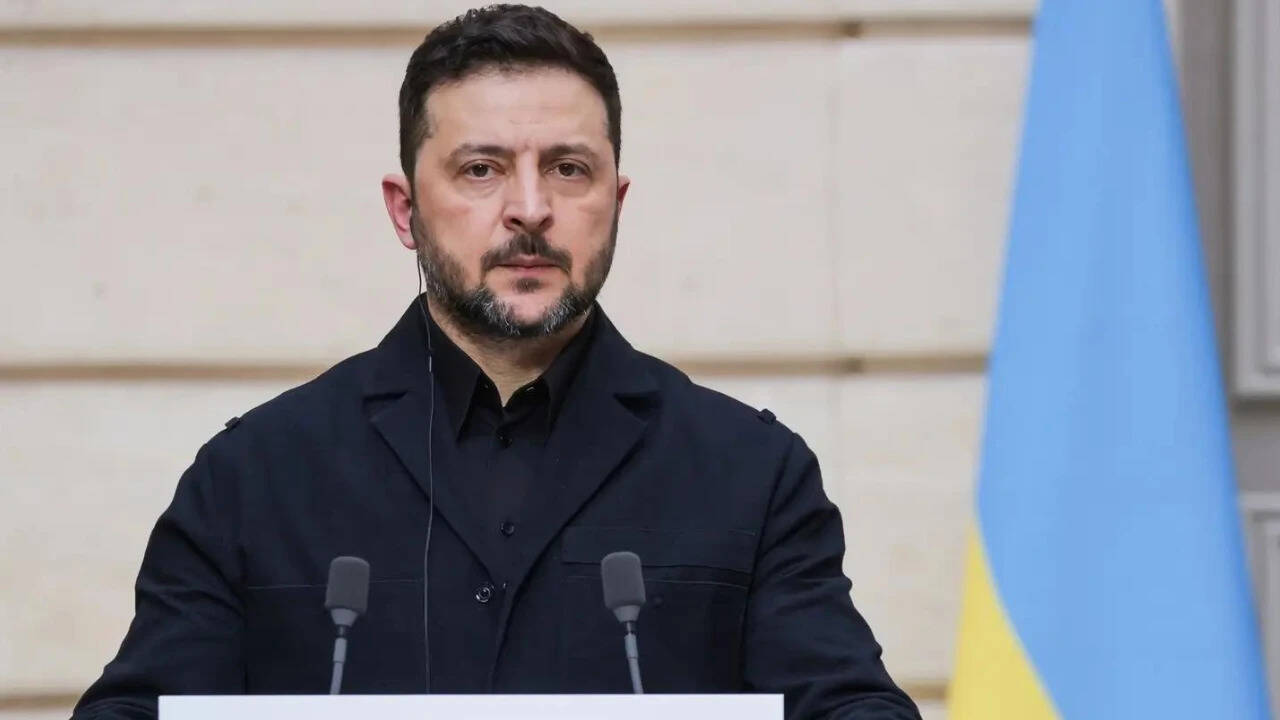
Ukrainian President Volodymyr Zelenskyy has voiced strong criticism against a recent decision by the United States to relax certain sanctions on Russian oil. Zelenskyy warned that this move provides the Russian government with billions of dollars that could be used to fund its ongoing military operations. He argued that easing these restrictions does not help the cause of peace and instead makes the conflict more difficult to resolve. While the US claims the move is necessary to keep global energy prices stable, Ukraine and some European allies worry it sends the wrong message to Moscow.
Main Impact
The decision to ease oil sanctions has created a visible rift between the US and its allies in Kyiv. The most immediate impact is financial, as Russia relies heavily on energy exports to pay for its military and government services. By allowing more Russian oil to move through global markets, the US is effectively helping to keep the Russian economy afloat, even if the goal is to help Western consumers. This shift suggests that the US is now prioritizing domestic economic stability and lower gas prices over the policy of maximum financial pressure on the Kremlin.
Key Details
What Happened
The US government recently issued a temporary waiver that allows for more flexibility in how Russian oil is traded and transported. This move was designed to prevent a sudden spike in energy costs, which could hurt the global economy. However, President Zelenskyy reacted quickly, stating that any move that helps Russia sell its resources is a blow to Ukraine’s defense. He believes that the international community should be tightening the squeeze on Russia's income rather than offering ways to bypass existing rules.
Important Numbers and Facts
Oil and gas sales make up a huge portion of Russia's national budget. Before the war, energy exports accounted for nearly 45% of the country's federal revenue. Even with sanctions in place, Russia has found ways to sell its oil to countries like India and China. The US move to ease restrictions is expected to help stabilize oil prices, which have been volatile due to tensions in both Eastern Europe and the Middle East. French President Emmanuel Macron also weighed in, reminding the world that Russia should not assume that other global conflicts will distract the West from supporting Ukraine.
Background and Context
Since the start of the war in 2022, the US and its partners have used economic sanctions as a primary tool to stop the fighting. The idea was to make the war too expensive for Russia to continue. One of the main tools used was a "price cap" on Russian oil, which forced Russia to sell its oil at a lower price if it wanted to use Western shipping and insurance services. However, as energy prices rose globally, the US faced pressure at home to lower the cost of fuel. This has led to a difficult balancing act: trying to hurt the Russian economy without hurting Western voters who are struggling with inflation and high living costs.
Public or Industry Reaction
The reaction to this move has been mixed. Energy market experts generally agree that more oil supply is good for keeping prices down, which helps businesses and families around the world. However, political analysts and human rights groups have expressed disappointment. They argue that easing sanctions now could be seen as a sign of weakness or a lack of resolve. In Europe, leaders like Macron are concerned that Russia might interpret this as a sign that the West is getting tired of the war. Within Ukraine, the news was met with frustration, as many feel that every dollar Russia earns is another bullet or missile used against Ukrainian cities.
What This Means Going Forward
This development shows that the unified front against Russia is facing new challenges. As the war continues for a long time, the economic cost for supporting nations becomes harder to ignore. In the coming months, we may see more debates about how to balance help for Ukraine with the need for economic growth at home. There is a risk that if more sanctions are eased, the pressure on the Kremlin will fade, potentially leading to a longer conflict. The US will likely have to work hard to reassure Ukraine that its support remains strong, despite these changes in energy policy.
Final Take
The decision to ease oil sanctions highlights the messy reality of global politics. While the US wants to protect its own economy and help global consumers, doing so provides a financial lifeline to a country it is trying to stop. For President Zelenskyy, the math is simple: more oil revenue for Russia means more war for Ukraine. This situation serves as a reminder that economic interests and foreign policy goals often clash, leaving leaders with no easy choices in a world where energy is as powerful as any weapon.
Frequently Asked Questions
Why did the US ease sanctions on Russian oil?
The US eased these sanctions to help stabilize global energy markets and prevent gas prices from rising too high for consumers and businesses.
Why is President Zelenskyy upset about this move?
He believes that easing sanctions allows Russia to earn more money, which it then uses to pay for its military and continue the war against Ukraine.
Does this mean the US is stopping its support for Ukraine?
No, the US continues to provide military and financial aid to Ukraine, but this specific move shows a shift in how they are managing the economic side of the conflict.