Summary
Russian military forces have confirmed their withdrawal from the city of Kidal in northern Mali. This retreat follows a series of heavy attacks by ethnic Tuareg rebels and Islamist groups over the weekend. The loss of Kidal is a major setback for the Malian government and its foreign partners. It marks a turning point in the long-running conflict in the West African region.
Main Impact
The departure of Russian fighters from Kidal has immediate effects on the security of northern Mali. For the Malian military junta, losing control of this city is a blow to their authority. They had captured the city just a year ago, claiming it was a sign of their growing strength. Now, the return of rebel control suggests that the government cannot hold onto territory in the north without constant fighting.
This development also changes the balance of power in the Sahel region. It shows that the Russian forces, now operating under the name Africa Corps, are vulnerable to local guerrilla tactics. The withdrawal may encourage other rebel groups in neighboring countries to increase their activities, fearing less resistance from state forces.
Key Details
What Happened
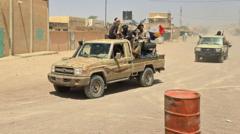
Over the past weekend, a coordinated wave of attacks hit several parts of Mali. Ethnic Tuareg fighters, who want an independent state in the north, led the charge in Kidal. They were joined by Islamist groups that have been active in the area for years. Faced with intense pressure and the risk of being surrounded, the Russian units decided to leave the city to avoid further losses.
The Tuareg rebels, known as the CSP-DPA, quickly moved in to take over administrative buildings and military camps. They released videos and photos showing their fighters in the streets of Kidal, confirming that the city is no longer under government control. The Russian fighters moved toward safer bases further south, leaving behind equipment and supplies.
Important Numbers and Facts
The conflict in Mali has seen several major shifts in the last few years. In July 2024, Russian forces suffered one of their biggest defeats in the town of Tinzaouaten, where dozens of fighters were killed in an ambush. Kidal itself is located about 1,500 kilometers from the capital city, Bamako, making it very hard to supply and defend. The weekend attacks were not limited to Kidal; reports suggest that multiple military outposts across the northern and central regions were targeted at the same time.
Background and Context
Mali has been struggling with violence since 2012. It started when Tuareg rebels rose up against the central government. Soon after, Islamist groups linked to Al-Qaeda took advantage of the chaos to seize land. For many years, French troops and United Nations peacekeepers tried to keep the peace. However, the Malian military grew frustrated with the lack of progress.
In 2020 and 2021, the military took power in two separate coups. The new leaders decided to break ties with France and asked the UN to leave. They turned to Russia for military help, bringing in contractors from the Wagner Group. These fighters were tasked with helping the Malian army retake the north. While they had some early success, the rebels have since changed their tactics to fight a war of attrition, slowly wearing down the government's forces.
Public or Industry Reaction
The Malian government has remained mostly silent about the retreat from Kidal. In the past, they have used state media to celebrate victories, but they rarely acknowledge losses. Meanwhile, supporters of the Tuareg movement have been celebrating on social media. They see the capture of Kidal as a historic win for their cause of self-determination.
International security experts are worried about the growing cooperation between different rebel groups. While the Tuaregs and the Islamists have different goals, they are currently working together to fight the Malian army and their Russian allies. This "enemy of my enemy" approach makes the situation much more dangerous for civilians living in the area.
What This Means Going Forward
The withdrawal from Kidal suggests that the Malian government may need to rethink its security plan. Relying only on military force and foreign contractors has not brought lasting peace. There is a high risk that the violence will spread further south toward the capital. If the government cannot protect major cities, it may face more political pressure from its own citizens.
For the Russian forces, this is a test of their long-term commitment to Africa. If they continue to lose men and territory, they might find it harder to convince other African nations that they are a better alternative to Western military aid. The next few months will show if the Malian army tries to launch a counter-attack or if they will try to start peace talks with the rebels.
Final Take
The fall of Kidal is a clear sign that the war in Mali is far from over. It highlights the difficulty of holding remote desert regions against local fighters who know the land well. Without a political solution that addresses the needs of the people in the north, military victories will likely remain temporary. The situation remains unstable, and the people of Mali continue to pay the highest price for the ongoing power struggle.
Frequently Asked Questions
Who are the Tuareg fighters?
The Tuaregs are an ethnic group living in the Sahara Desert. In Mali, many Tuareg groups have fought for years to create an independent country called Azawad in the northern part of the nation.
Why are Russian fighters in Mali?
The Malian military government invited Russian contractors to help them fight rebels and terrorists. This happened after the government ended its military partnership with France and the United Nations.
Why is the city of Kidal so important?
Kidal is seen as the symbolic and political heart of the Tuareg rebellion. Controlling the city is a sign of power and is necessary for anyone who wants to rule northern Mali.