Summary
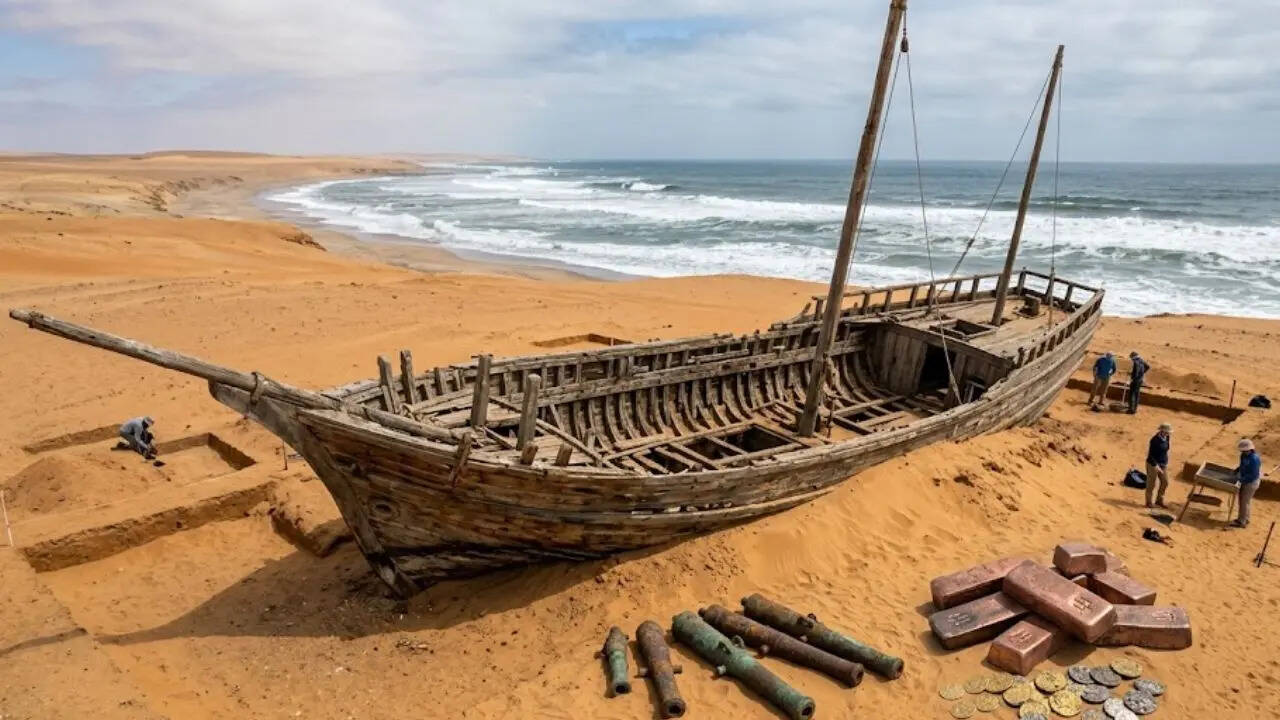
A famous Portuguese merchant ship that disappeared over 500 years ago has been found in the Namib Desert. The ship, known as the Bom Jesus, vanished in 1533 while it was on its way to India. It remained hidden under the sand for centuries until diamond miners accidentally discovered it. This find is considered one of the most important archaeological discoveries of our time because it contains a massive amount of gold and historical artifacts.
Main Impact
The discovery of the Bom Jesus has changed what we know about 16th-century sea travel and trade. Because the ship was buried in the dry sand of the desert rather than sitting at the bottom of the ocean, many of its contents were perfectly preserved. This "time capsule" gives historians a rare look at the tools, weapons, and money used during the Renaissance. It also highlights the extreme risks sailors took during the Age of Discovery to find new trade routes.
Key Details
What Happened
In 1533, the Bom Jesus set sail from Lisbon, Portugal, as part of a fleet headed for India. The ship was carrying a heavy load of copper and other goods to trade for spices. However, it never reached its destination. It is believed that a massive storm wrecked the ship near the coast of Namibia. Over hundreds of years, the coastline changed and the sea moved back, leaving the ship buried deep under the desert dunes.
The wreck stayed hidden until 2008. Workers for a diamond mining company called Namdeb were clearing sand in a restricted area known as the Sperrgebiet, or the "Forbidden Zone." While they were draining a man-made lagoon to look for diamonds, they found pieces of wood and metal. Soon, they realized they had found a legendary lost ship.
Important Numbers and Facts
The ship was carrying a fortune that is worth millions of dollars today. Archaeologists found more than 2,000 high-quality gold coins in the sand. Most of these were Portuguese "Cruzados" and Spanish "Excellentes." Along with the gold, the ship held 22 tons of copper ingots, which are large blocks of metal. These heavy blocks actually helped keep the ship's structure together over the centuries.
Other items found include more than 100 elephant tusks, which were used for the ivory trade. The team also recovered several bronze cannons, muskets, and swords. Even personal items like bowls, plates, and medical tools were found, giving us a glimpse into the daily lives of the sailors who lived and died on the ship.
Background and Context
During the 1500s, Portugal was a world leader in sea exploration. King Joao III sent many ships around the southern tip of Africa to reach India. This was a very dangerous journey because the waters near Namibia, often called the Skeleton Coast, are famous for thick fog and violent storms. Many ships were lost in this area, but the Bom Jesus is the oldest and most valuable one ever found there.
The location of the find is also very special. The Sperrgebiet is a highly protected area because it is rich in diamonds. Because the public and looters were kept out of this region for over 100 years, the shipwreck remained safe from people who might have tried to steal the gold. This allowed scientists to study the site properly when it was finally uncovered.
Public or Industry Reaction
The discovery sent shockwaves through the world of archaeology. Experts were amazed by the sheer amount of gold, but they were even more excited about the copper and ivory. Scientists have used DNA testing on the elephant tusks to track where the animals lived 500 years ago. This has helped researchers understand the history of wildlife in Africa.
The Namibian government has worked closely with experts from Portugal to ensure the artifacts are handled with care. While the gold is valuable, the historical information is considered the real treasure. Many of the items are now being kept in museums where they can be studied and displayed for the public.
What This Means Going Forward
The study of the Bom Jesus is far from over. Researchers are still analyzing the wood from the ship to learn more about how vessels were built in the 16th century. They are also looking at the copper to see where it was mined, which helps map out old global trade networks. This discovery serves as a reminder that there are still many historical secrets hidden in the most remote parts of the world.
For Namibia, the shipwreck is a major part of its national heritage. It shows how the country's coast has been a point of contact between different cultures for centuries. Future searches in the "Forbidden Zone" might reveal even more ships that were lost to the desert sands.
Final Take
The story of the Bom Jesus is a rare example of a legend coming to life. After being lost for five centuries, this ship has returned to tell the story of the brave and often dangerous beginnings of global trade. It reminds us that the earth can hold onto history for a very long time, waiting for the right moment to reveal it. The gold is impressive, but the knowledge we gain about our past is the most lasting gift from this desert discovery.
Frequently Asked Questions
Why was the ship found in a desert instead of the ocean?
The ship originally wrecked near the shoreline. Over 500 years, the wind and tides moved the sand, and the coastline shifted. This left the ship buried under the desert dunes in an area that used to be underwater.
Who owns the gold found on the ship?
Usually, a country can claim a ship that flew its flag. However, the Portuguese government waived its right to the treasure, allowing the Namibian government to keep the gold and artifacts as part of its national history.
What happened to the crew of the Bom Jesus?
No human remains were found at the site. It is possible that some sailors survived the wreck and tried to walk through the desert, but the Namib Desert is one of the harshest places on Earth, making survival very unlikely.