Summary
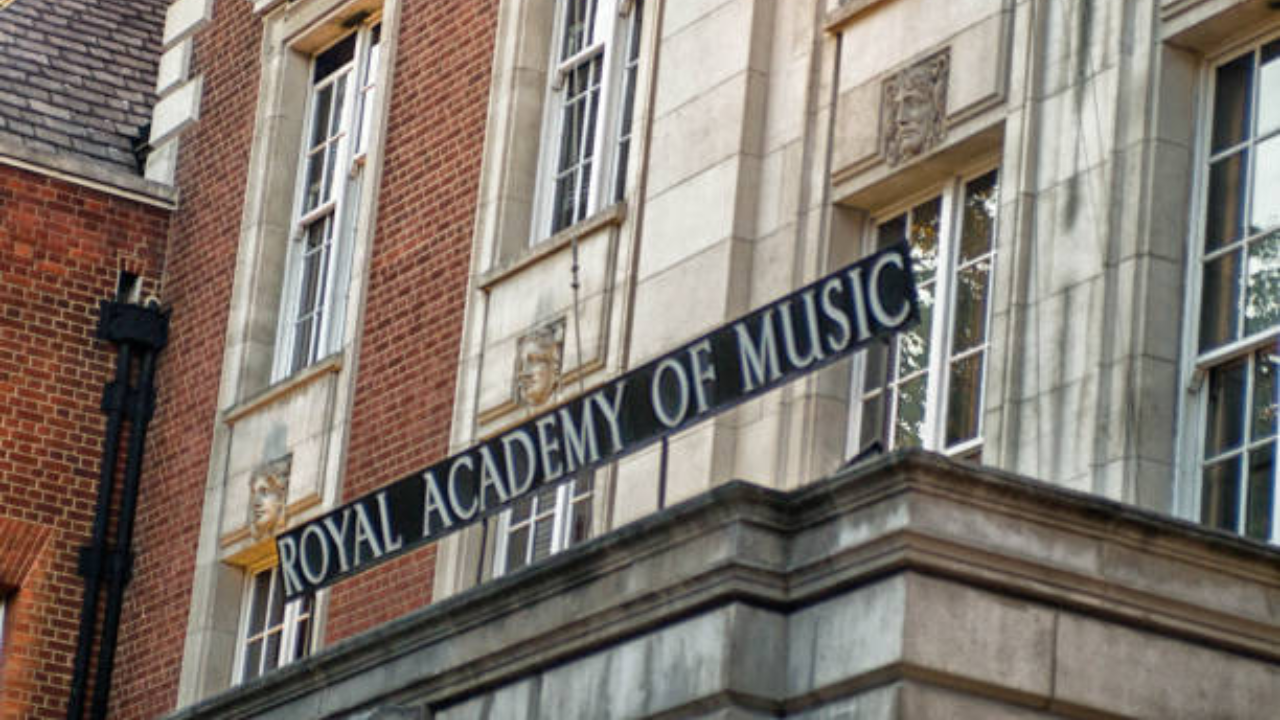
The Royal Academy of Music in London is facing significant criticism over a new program that excludes students from private schools. This new initiative is designed specifically for children attending state-funded schools to help them access high-level music training. While the Academy aims to improve diversity and help students from lower-income backgrounds, many people argue that the ban is unfair. Critics believe that talent should be the only factor in music education, regardless of a child's school type.
Main Impact
This decision marks a major shift in how one of the world’s most prestigious music schools finds and trains young talent. By barring private school students from this specific scheme, the Royal Academy of Music is prioritizing social background alongside musical ability. This move has sparked a national debate about fairness in the arts and whether "social engineering" is the right way to fix deep-seated inequalities in the British education system.
Key Details
What Happened
The Royal Academy of Music recently introduced a new outreach scheme aimed at finding the next generation of classical musicians. The program offers specialized coaching, lessons, and support to young people. However, the entry rules strictly state that only students from state schools can apply. This means children whose parents pay for their education are completely ineligible for this particular path, even if they show great musical promise.
Important Numbers and Facts
The Royal Academy of Music was founded in 1822 and is a world leader in music education. In recent years, data has shown that a large percentage of professional classical musicians in the UK come from private school backgrounds. This is often because private schools have the budget for expensive instruments, practice rooms, and one-on-one tutors. In contrast, music funding in UK state schools has dropped by significant margins over the last decade, leaving many talented children without any formal training.
Background and Context
To understand this controversy, it is important to look at the cost of music education. Learning an instrument like the violin or piano at a high level is very expensive. It requires years of private lessons, which can cost thousands of pounds annually. Additionally, high-quality instruments themselves are a major investment. Because of these costs, the classical music world has often been seen as a place for the wealthy.
The Royal Academy of Music wants to change this image. They argue that many children in the state system have the natural ability to become great musicians but lack the resources to prove it. By creating a program just for them, the Academy hopes to "level the playing field." They want to ensure that a child’s bank account or school type does not stop them from reaching the top of the music profession.
Public or Industry Reaction
The reaction to this scheme has been divided. On one side, many music teachers and diversity campaigners have praised the Academy. They argue that without specific programs like this, state school students will never be able to compete with those who have had every advantage since birth. They see it as a necessary step to make the music industry more inclusive.
On the other side, the backlash has been fierce. Some parents and educational experts have called the ban "discriminatory." They argue that it is wrong to punish a child for a decision their parents made about their schooling. Critics also point out that not every family with a child in private school is wealthy; some students are there on scholarships or because their parents work multiple jobs to pay the fees. These critics believe that every child should have the right to audition for any program based purely on their skill.
What This Means Going Forward
This controversy could lead to changes in how other arts institutions handle their admissions. If the Royal Academy of Music stands by its decision, other famous schools for drama, dance, and art might follow their lead. This could result in a more diverse group of professionals in the arts in the future. However, it also carries the risk of legal challenges. Some experts suggest that excluding a group based on their school could potentially violate equality laws, though this has not yet been tested in court.
The Academy will likely monitor the success of the students in this new program very closely. If these students go on to have successful careers, it will provide strong evidence for keeping the scheme. If the backlash continues to grow, the Academy might have to find a middle ground, such as using household income rather than school type as the main rule for entry.
Final Take
The Royal Academy of Music is trying to solve a very old problem: the gap between the rich and the poor in the arts. While their goal of helping underprivileged children is noble, the method of excluding others has created a deep sense of unfairness for many. The debate shows that while everyone agrees more diversity is needed, there is no simple agreement on how to achieve it without leaving some children behind.
Frequently Asked Questions
Why did the Royal Academy of Music ban private school students from this scheme?
The Academy wants to help students from state schools who often lack the money and resources for high-level music training. They believe this will help make the music industry more diverse.
Is this ban for all programs at the Academy?
No, the ban only applies to this specific new outreach scheme. Private school students can still apply to the Academy’s regular degree programs and other standard courses.
What do critics say about the new rule?
Critics argue that the rule is unfair and discriminates against children based on their school. They believe that talent should be the only thing that matters when choosing students for music programs.