Summary
India's Supreme Court has declared the right to walk on safe footpaths a fundamental right under the Constitution. This landmark ruling came after a tragic accident where a five-year-old child was killed while walking to school due to a lack of safe pedestrian space. The decision forces cities to rethink who streets are built for and highlights the urgent need for inclusive design that serves everyone, including people with disabilities, the elderly, and caregivers.
Main Impact
The Supreme Court's June 19 ruling makes pedestrian safety a constitutional priority. It states that the right to walk is protected under Articles 19 and 21, and that authorities must build, maintain, and protect footpaths. This judgment shifts the focus from motor vehicles to people on foot, but its real test will be whether cities can implement it inclusively. For millions of Indians with disabilities, older adults, and others with mobility challenges, the ruling is meaningless unless footpaths are designed for all users, not just able-bodied walkers.
Key Details
What Happened
The Supreme Court ruled that pedestrian movement must have priority over motorized vehicles. The case stemmed from a fatal accident involving a five-year-old child who was killed while being taken to school because there was no safe pedestrian space. The court emphasized that authorities have a legal duty to demarcate, construct, maintain, and safeguard footpaths.
Important Numbers and Facts
The ruling was delivered on June 19, 2026. The World Health Organization estimates that 1.3 billion people, or about 16 percent of the global population, experience significant disability. In Indian cities, footpaths are often broken, blocked by debris, or missing entirely. The Rights of Persons with Disabilities Act, 2016 already requires governments to ensure accessibility and non-discrimination.
Background and Context
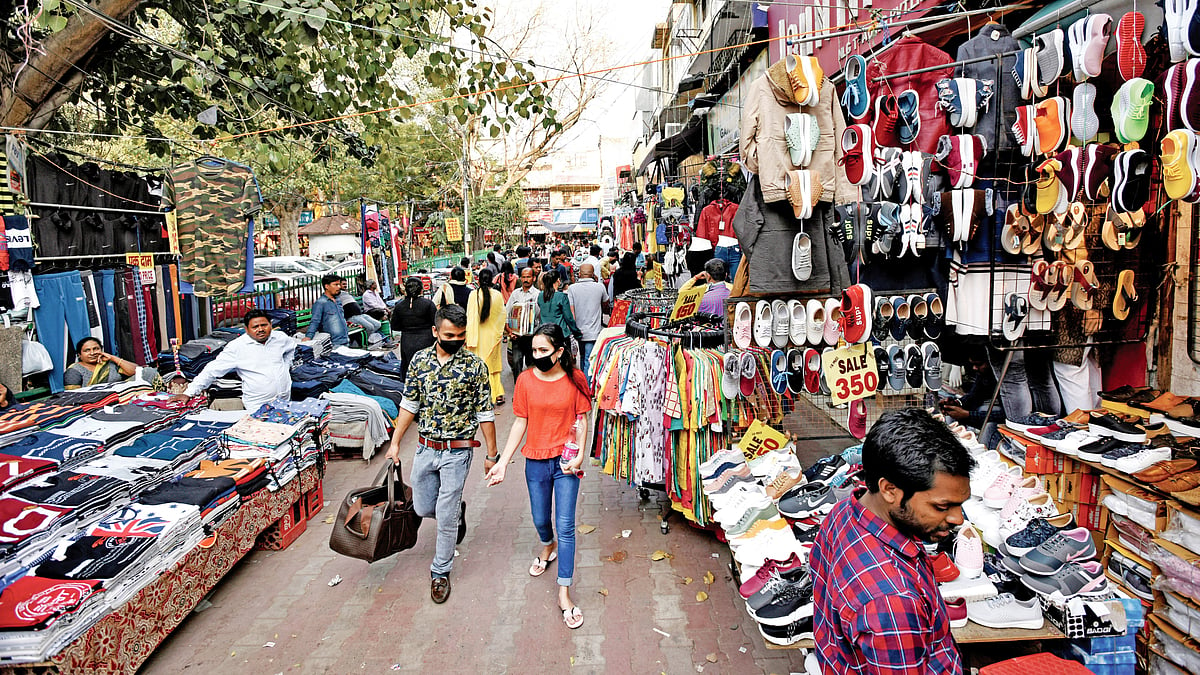
Indian cities have long prioritized cars and two-wheelers over pedestrians. Footpaths are frequently in poor condition, with potholes, open drains, exposed wires, and uneven surfaces. They often disappear suddenly or are blocked by parked vehicles, construction debris, or street vendors. For people with disabilities, these conditions create daily barriers to accessing schools, jobs, healthcare, and public services. The Supreme Court's ruling challenges this neglect and calls for a fundamental shift in how urban spaces are designed and managed.
Public or Industry Reaction
Disability rights advocates have welcomed the ruling but warn that it must be implemented inclusively. A wheelchair user cannot benefit from a footpath that has no ramps or curb cuts. A blind person needs tactile paving and clear paths. Caregivers pushing strollers or supporting elderly relatives need continuous, level surfaces. The ruling has also sparked discussion about balancing pedestrian rights with the needs of street vendors, who are also rights-bearing citizens protected by the Street Vendors Act, 2014.
What This Means Going Forward
Experts suggest a phased approach to making cities accessible. First, municipal bodies should make low-cost safety fixes like clearing obstructions, repairing broken slabs, and stopping illegal parking on footpaths. Next, priority corridors around hospitals, schools, and transit stations should be made fully accessible with ramps, tactile paths, and safe crossings. All future road projects must include universal design from the start. Finally, public audits and grievance systems should hold authorities accountable. The ruling also highlights the link between accessible footpaths and climate resilience, as shaded, well-drained paths are essential during heatwaves and floods.
Final Take
The Supreme Court has opened the door to a more inclusive vision of Indian cities. But the right to walk means little if footpaths remain unsafe or unusable for large sections of the population. True pedestrian justice requires planning for everyone, not just the able-bodied. If implemented with accessibility at its core, this ruling could transform how India thinks about citizenship, mobility, and public space.
Frequently Asked Questions
What does the Supreme Court ruling on the right to walk mean?
The Supreme Court declared that the right to walk on safe, demarcated footpaths is a fundamental right under Articles 19 and 21 of the Indian Constitution. This means authorities must build and maintain pedestrian spaces, and pedestrian safety must be prioritized over motor vehicles.
Why is accessibility important for footpaths?
Accessible footpaths are essential for people with disabilities, older adults, children, pregnant women, and caregivers. Without ramps, tactile paving, clear paths, and safe crossings, many people cannot safely use footpaths, which limits their access to education, jobs, healthcare, and community life.
How can Indian cities make footpaths more inclusive?
Cities can start with low-cost fixes like clearing obstructions and repairing broken surfaces. Then they should create fully accessible corridors around key destinations like hospitals and schools. All new road projects must include universal design. Public audits and accountability systems should ensure compliance with accessibility standards.