Summary
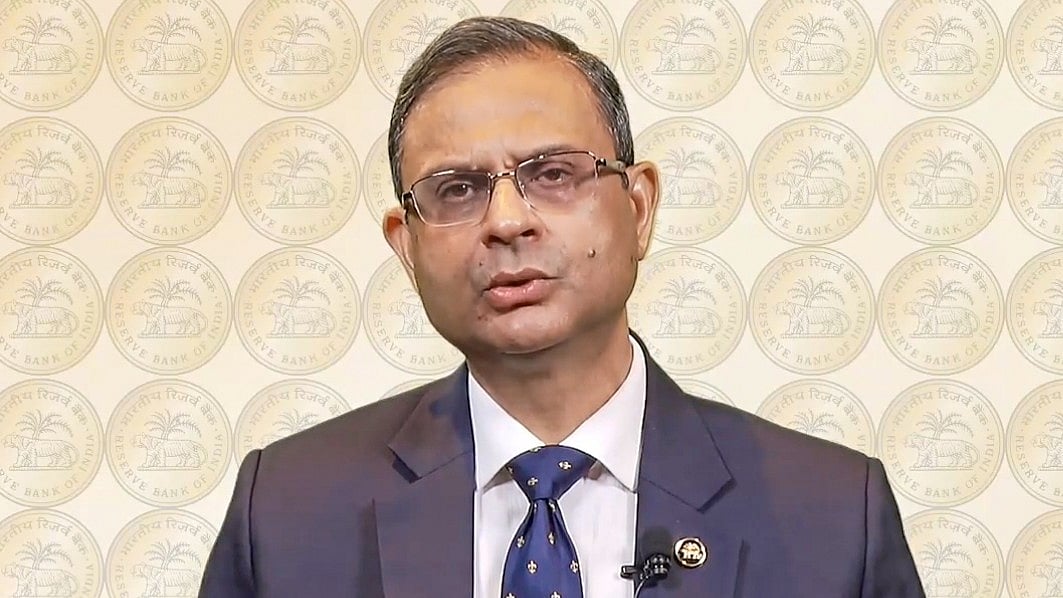
The Reserve Bank of India (RBI) is taking a very careful approach to its money policies because of growing tensions in West Asia. Governor Sanjay Malhotra recently explained that the central bank is in a "wait-and-watch" mode to see how the conflict affects the global economy. This caution is necessary because India relies heavily on that region for trade, energy, and money sent home by workers. By staying patient, the RBI hopes to protect India from sudden price hikes and keep the economy stable during these uncertain times.
Main Impact
The biggest concern for India is how the fighting in West Asia might cause prices to rise for everyone. If the conflict lasts a long time, it could stop the flow of important goods like oil and fertilizer. When these items become hard to get, their prices go up. This can lead to what the governor calls "second-round effects," where high fuel costs make everything else, like food and transport, more expensive too. The RBI wants to make sure these temporary problems do not turn into a long-term inflation crisis for the country.
Key Details
What Happened
Governor Sanjay Malhotra shared these insights during a talk at Princeton University. He noted that the RBI is not ready to commit to a specific path for interest rates right now. Instead, the bank will make decisions based on new data as it arrives. The governor, who is an alumnus of Princeton, explained that the bank's policy committee has kept a neutral stance since the middle of 2025. This means they are neither pushing for higher rates nor lower ones at this moment, choosing instead to see how global events unfold.
Important Numbers and Facts
India has built a strong financial shield to handle global trouble. The country currently has about $710 billion in foreign exchange reserves. This is a huge amount of money that can cover more than 11 months of imports if trade gets difficult. On the home front, India’s digital economy is growing fast. The Unified Payments Interface (UPI) handled more than 22 billion transactions in March 2026 alone. The RBI is also working on a new system called the Unified Lending Interface (ULI) to help farmers and small business owners get loans much faster than before.
Background and Context
West Asia is a vital partner for India’s economy for several reasons. First, it is a primary source of crude oil, which India needs to keep its cars and factories running. Second, it provides fertilizers that are essential for Indian farmers. Third, millions of Indians live and work in West Asian countries. These workers send a lot of money back to their families in India, which helps the national economy stay healthy. Because of these deep connections, any instability in that part of the world can quickly be felt in Indian markets and households.
Public or Industry Reaction
Business leaders and investors are watching the RBI’s every move. Recently, the Indian Rupee has lost some of its value because of the worries over the conflict. The RBI has stepped in to buy or sell currency to keep the Rupee from changing price too quickly. Governor Malhotra defended these actions, saying they help keep the market calm. However, he made it clear that the RBI is not trying to force the Rupee to stay at one exact price. They just want to avoid sudden, scary drops that could hurt the economy.
What This Means Going Forward
In the coming months, the RBI will continue to look at the latest numbers on inflation and growth before changing interest rates. While the global situation is risky, India’s own finances are in a better spot than they used to be. The government has done a good job of managing its budget deficit, and the country’s debt is at a safe level compared to other large nations. The RBI will focus on using new technology to help the economy grow while keeping a close eye on any signs that prices are rising too fast because of the war.
Final Take
India is currently in a strong position to handle global challenges thanks to its large cash reserves and successful digital systems. However, the RBI knows that it must remain alert. By choosing to wait and watch instead of making quick changes, the central bank is prioritizing stability. This careful strategy is designed to ensure that India’s growth continues even when the rest of the world is facing difficult times.
Frequently Asked Questions
Why is the RBI being cautious with interest rates?
The RBI is waiting to see how the conflict in West Asia affects trade and oil prices. They want to make sure they have all the facts before making changes that could impact the economy.
How does the conflict in West Asia affect India?
The region provides India with oil and fertilizer. It is also where many Indians work and send money home. If there is trouble there, it can make goods more expensive in India.
What is the Unified Lending Interface (ULI)?
It is a new digital system being developed by the RBI. Its goal is to make it much easier and faster for small businesses and farmers to get bank loans.