Summary
A violent bomb attack on a major highway in Colombia’s Cauca region has resulted in the deaths of 14 people and left 38 others injured. The explosion took place after a group of attackers blocked the road, trapping travelers before the blast occurred. Local officials have pointed to FARC dissidents as the primary suspects behind the deadly incident. This attack has caused a major security crisis just a few weeks before the country is set to hold its presidential election.
Main Impact
The immediate impact of this bombing is a deep sense of fear and uncertainty across southwestern Colombia. For the families of the victims, the event is a tragedy, but for the rest of the country, it is a sign of growing instability. The attack targeted a vital transport route, which has disrupted the movement of goods and people in the area. This makes it harder for local businesses to operate and for residents to feel safe while traveling.
Beyond the physical damage, the bombing has a significant political impact. It forces the government to defend its security record at a time when voters are deciding who should lead the country next. The event has also put the military on high alert, as they must now try to prevent similar attacks from happening in other parts of the country before the election begins.
Key Details
What Happened
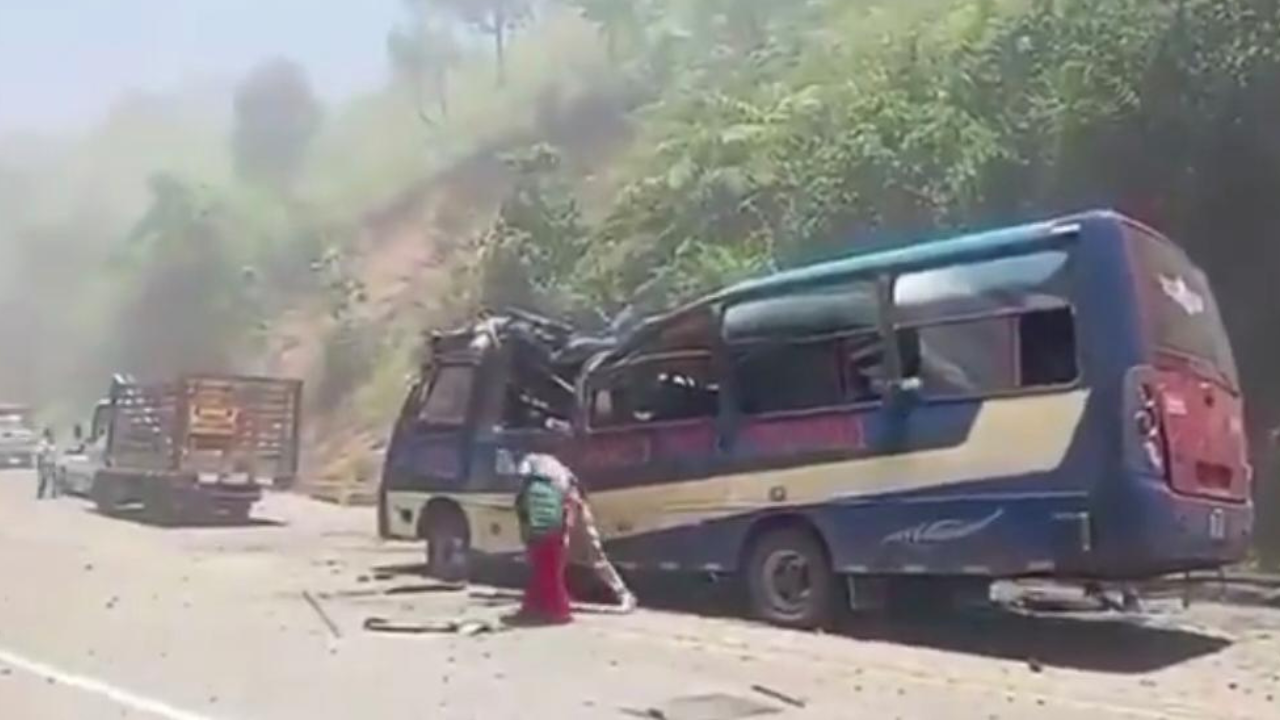
The attack occurred during the day on a busy stretch of highway in the Cauca province. Witnesses reported that armed individuals stopped traffic, creating a long line of cars, buses, and trucks. Once the vehicles were stuck and unable to move, a powerful bomb was detonated. The force of the explosion was strong enough to destroy several vehicles and leave a large crater in the road. Emergency teams, including police and medical workers, arrived shortly after to transport the wounded to nearby hospitals. Many of the injured are reported to be in serious condition, meaning the death toll could still rise.
Important Numbers and Facts
The official reports from the scene provide a clear picture of the scale of the violence. At least 14 people have been confirmed dead, while 38 others are receiving treatment for various injuries. The Cauca region, where the blast happened, is located in the southwestern part of Colombia. This area has seen a rise in violence over the last few months, with several attacks targeting public buildings and roads. Authorities believe the group responsible is a faction of the former FARC rebel group that refused to participate in the national peace process several years ago.
Background and Context
To understand why this happened, it is important to look at Colombia’s history with rebel groups. For many decades, the government fought against the Revolutionary Armed Forces of Colombia, known as FARC. In 2016, a peace deal was signed to end the fighting, and many rebels gave up their weapons to join society. However, some members did not agree with the deal. These people are called "dissidents." They continue to live in remote areas and use violence to control territory, often for illegal activities like drug smuggling.
The Cauca region is particularly dangerous because its geography makes it easy for armed groups to hide. It has thick forests and high mountains that are difficult for the police to monitor. In recent weeks, these dissident groups have increased their activity, likely to show their power and influence the upcoming election. They often target infrastructure, such as roads and power lines, to cause maximum disruption for the government and the public.
Public or Industry Reaction
The reaction to the bombing has been one of shock and anger. Many citizens have taken to social media to express their grief and demand better protection from the state. Political leaders from all sides have condemned the act, calling it a cowardly attack on innocent civilians. Candidates running for president have used the event to talk about their own plans for national security, with some calling for a tougher military approach and others suggesting more focus on social programs in rural areas.
The transport industry is also very concerned. Trucking companies and bus operators have expressed fear that their drivers are no longer safe on the roads. Some companies have temporarily stopped their routes through the Cauca region until the government can guarantee that the highways are clear of explosives and armed groups. This pause in travel is expected to cause delays in food and supply deliveries to local towns.
What This Means Going Forward
In the coming weeks, the Colombian government is expected to send more soldiers and police officers to the southwest. There will likely be more checkpoints on the roads to search vehicles for weapons and explosives. The goal is to make sure that the presidential election can happen without more violence. However, these extra security measures can also make daily life more difficult for people living in the area.
The long-term challenge will be how the next president handles the dissident groups. If the violence continues to grow, it could threaten the peace that many people have worked hard to build since 2016. The international community will also be watching closely to see if Colombia can maintain its stability during this difficult transition period.
Final Take
This highway bombing is a painful reminder that peace is still fragile in parts of Colombia. While the country has made progress in ending its long internal conflict, the actions of a few armed groups can still cause massive suffering. As the election nears, the focus must remain on protecting the lives of ordinary people and ensuring that fear does not stop the democratic process from moving forward.
Frequently Asked Questions
Who is being blamed for the highway bomb attack?
Authorities believe that FARC dissidents are responsible. These are members of the former rebel group who did not accept the 2016 peace agreement and continue to use violence.
Where exactly did the explosion take place?
The attack happened on a highway in the Cauca region, which is located in the southwestern part of Colombia. This area is known for having active rebel groups.
How does this event affect the upcoming election?
The attack has raised major security concerns. It puts pressure on the government to protect voters and has made national safety a top issue for the presidential candidates.