
Summary
The world’s richest people are moving away from traditional luxury goods and spending record-breaking amounts on rare collectibles. Recent auctions have seen a single bottle of wine sell for over $800,000 and a famous guitar go for more than $14 million. These items are becoming the new ultimate status symbols because they are extremely hard to find and carry unique histories. This trend shows that for the ultra-wealthy, owning a piece of history is now more important than owning standard luxury brands.
Main Impact
The market for unique items is growing much faster than the traditional art market. While global art sales grew by only 4% last year, the value of rare wines, vintage instruments, and collectible cards has jumped by double or even triple digits. This shift is changing how auction houses and investors look at value. It is no longer just about how much an item cost to make, but about the story it tells and how many other people can own one. For many high-net-worth individuals, these items serve as both a financial investment and a way to stand out in a world where expensive cars and watches have become too common.
Key Details
What Happened
Several major sales have recently caught the attention of the public and financial experts. In New York, a bottle of 1945 Domaine de la Romanée-Conti wine sold for $812,500. This specific wine is famous because only 600 bottles were made at the end of World War II. Experts consider it one of the best wines ever produced. Because so few bottles are left, buyers are willing to pay almost any price to own one.
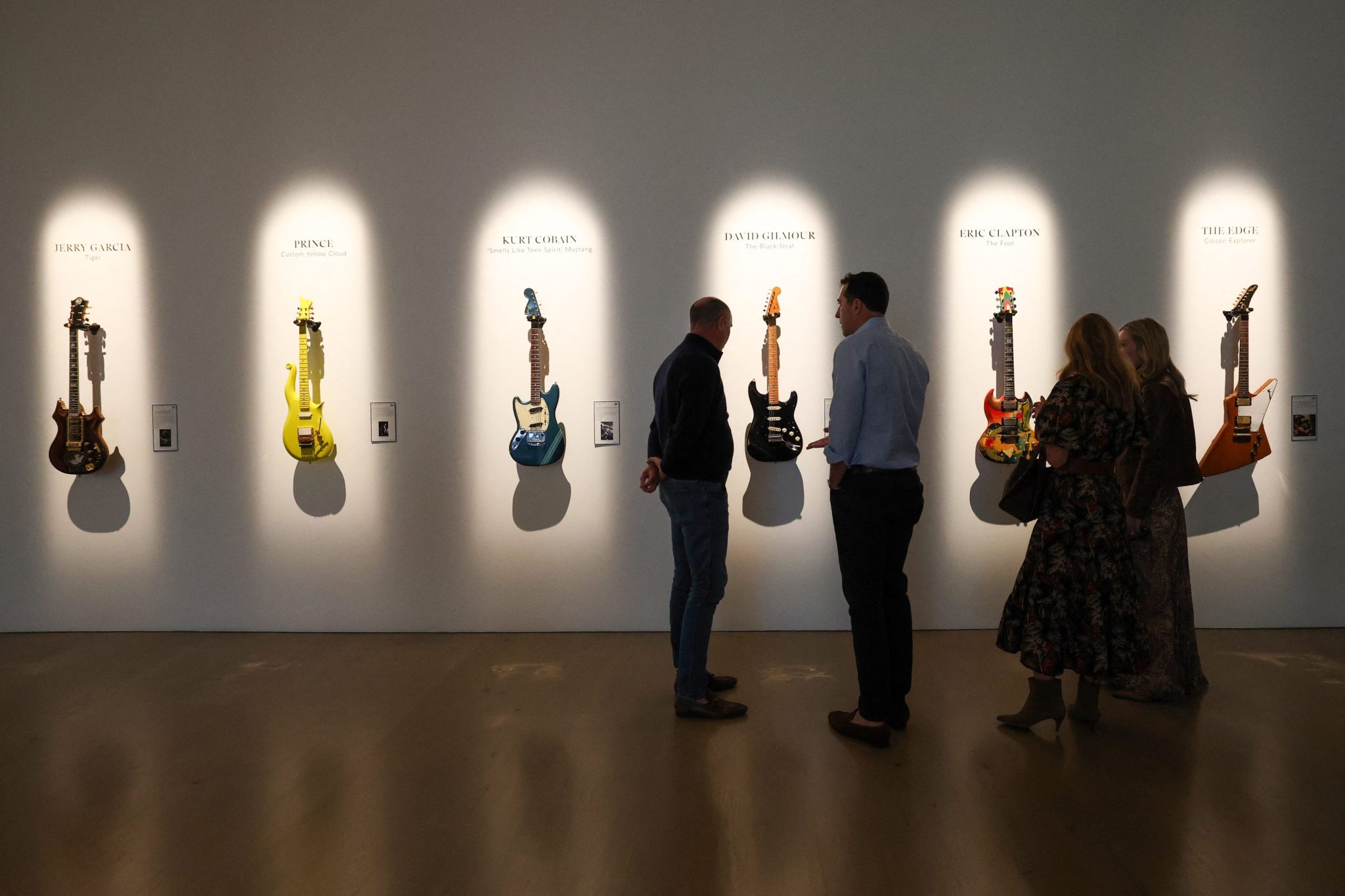
In the music world, a black Fender Stratocaster guitar owned by David Gilmour of Pink Floyd sold for $14.55 million. This broke the previous record for a guitar by more than double. Additionally, a rare Pokémon card sold for $16.5 million, showing that even items originally made for children are now seen as serious assets by the wealthy.
Important Numbers and Facts
- $812,500: The record price for a single bottle of wine sold at auction.
- $14.55 Million: The price paid for David Gilmour’s 1969 Fender Stratocaster.
- 11%: The increase in the Acker Fine and Rare wine index in just the first three months of the year.
- 10% to 30%: The average price increase for high-quality vintage instruments over the last year.
- $16.5 Million: The price of a Pikachu Illustrator card, which is one of only 29 in existence.
Background and Context
Collecting rare objects is an old habit, but the reasons for doing it are changing. In the past, people might buy a painting or a diamond to show their wealth. Today, the super-rich feel that standard luxury items, like designer bags or sports cars, are too easy to find. When everyone in a certain social circle has the same expensive watch, that watch loses its power as a status symbol.
Rare collectibles offer something different. They are "one-of-a-kind" pieces that cannot be replaced. A guitar played on a famous album or a wine from a historic year cannot be bought in a store. These items have "provenance," which is a fancy word for a documented history. This history makes the item feel more special and valuable to a collector who wants to own something truly unique.
Public or Industry Reaction
Experts in marketing and luxury goods say this trend is a form of "sophisticated signaling." Silvia Bellezza, a professor at Columbia Business School, explains that the top 1% of earners are moving away from traditional luxury because those goods have lost their spark. Instead of buying things that are just expensive, they are buying things that require deep knowledge or a connection to history.
Auction houses are also seeing a change in how buyers treat these items. While some people keep their purchases in a safe, many others use them. Wine collectors often host dinners to drink their rare bottles, and guitar collectors often play their multi-million dollar instruments. These items act as great conversation starters and allow the owners to share their passion with friends.
What This Means Going Forward
The demand for rare items is expected to stay high because the supply is so low. Unlike modern products, you cannot manufacture more 1945 wine or more guitars from the 1960s. As more wealthy individuals enter the market, the competition for these few items will likely push prices even higher. This makes collectibles a strong alternative to the stock market or traditional real estate for some investors.
However, there are risks. The value of these items depends heavily on their condition and their story. If a card is damaged or if the history of a guitar is proven false, the value can disappear quickly. Buyers must spend a lot of money on experts to verify that what they are buying is real and in perfect shape.
Final Take
The rise of high-end collectibles shows that the ultra-wealthy are looking for more than just a price tag. They want items that have a soul and a story. Whether it is a bottle of wine from the end of a war or a guitar that created legendary music, these objects represent a connection to the past that money usually cannot buy. As long as these items remain rare, their value will likely continue to break records.
Frequently Asked Questions
Why is rare wine so expensive?
Rare wine is expensive because of scarcity. For example, only 600 bottles of the record-breaking 1945 vintage were ever made, and very few of those still exist today.
What makes a guitar worth millions of dollars?
A guitar's value comes from its history and who played it. If a famous musician used the instrument to record a classic album, fans and collectors see it as a piece of music history.
Are collectibles a better investment than art?
Recently, some collectibles have grown in value faster than art. While the art market grew by 4% last year, some rare cards and instruments saw price increases of 30% or more.



