
Summary
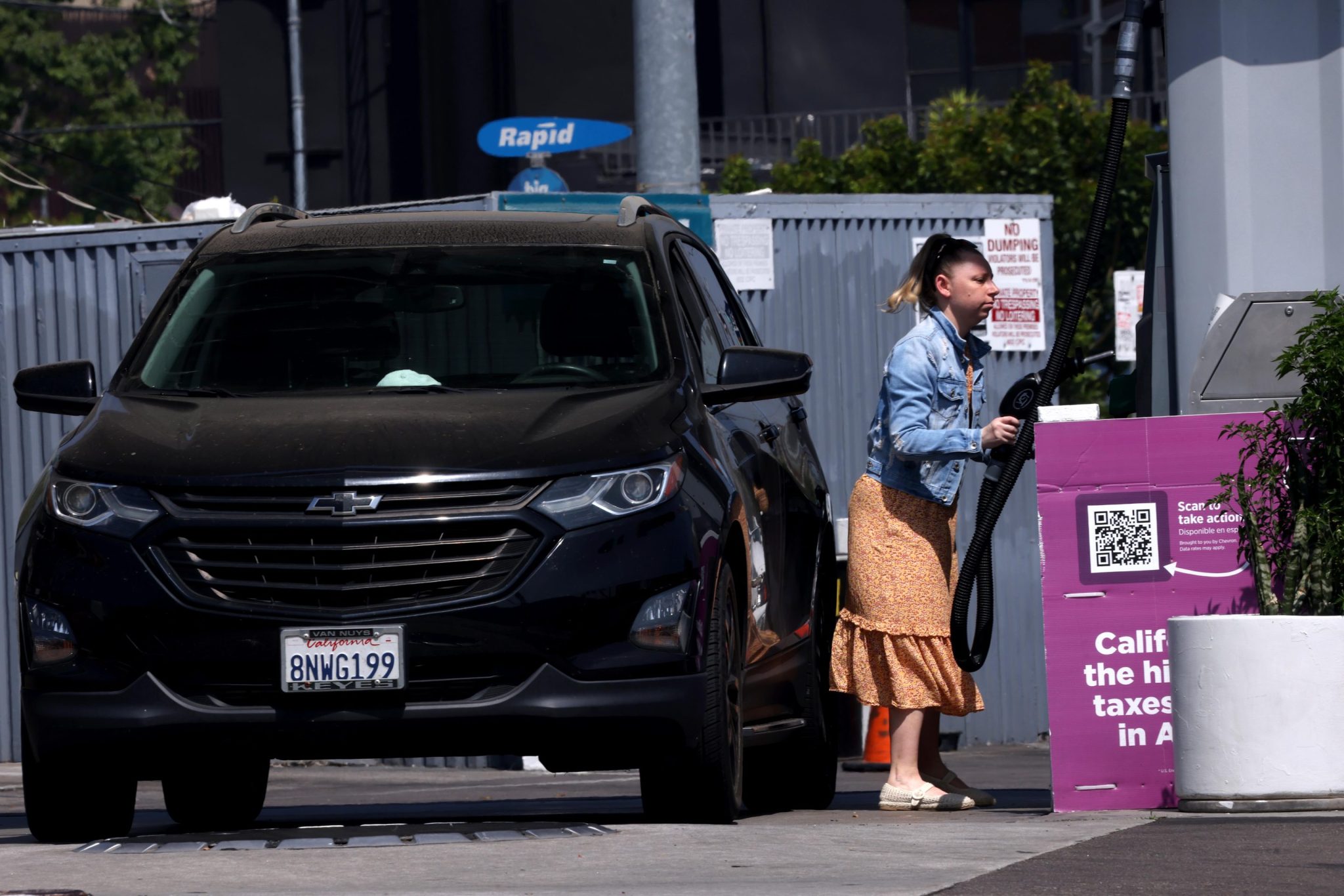
Oil prices have climbed back above $100 a barrel, creating a serious financial problem for middle-class families. While experts on Wall Street focus on how this affects the stock market or interest rates, regular households are struggling to balance their monthly budgets. With gasoline prices topping $4 a gallon, many families are being forced to use credit cards and savings just to cover basic needs. This situation acts as a "margin call" on the middle class, threatening the consumer spending that drives most of the American economy.
Main Impact
The primary impact of this oil shock is a direct hit to the "financial cushion" of average Americans. Unlike large corporations that can raise prices or governments that can borrow money, middle-class families have few options when costs go up. They must absorb the higher prices for fuel, food, and utilities immediately. This drains their bank accounts and reduces their ability to spend on other things, which can slow down the entire country's economic growth.
Key Details
What Happened
Oil prices have surged due to ongoing conflicts in the Middle East and other global tensions. This has pushed the price of crude oil over the $100 mark and sent gasoline prices at the pump above $4 per gallon. The International Monetary Fund (IMF) recently shared a worried report, stating that these high energy costs are hurting the ability of people to buy goods and services. As a result, the IMF has lowered its expectations for how much the U.S. economy will grow this year.
Important Numbers and Facts
The current economic situation is defined by several key figures. The national debt has reached a massive $39 trillion, making the government very dependent on people staying employed and paying taxes. In March 2026, the inflation rate was measured at 3.3%, showing that prices are still rising faster than desired. Additionally, consumer spending makes up nearly 70% of the total U.S. economy, meaning that if households stop spending, the whole system faces a risk of slowing down.
Background and Context
To understand why this matters, we have to look at who keeps the middle class running. For the last several decades, almost all the income growth for middle-class families has come from women. Between 1979 and 2018, women working more hours and earning higher pay kept family finances stable. Without this contribution, middle-class income would have stayed flat for forty years. Today, women are the main earners in 40% of homes with children. When oil prices spike, these families are put under extreme pressure because they cannot simply choose to stop working or driving.
Public or Industry Reaction
Economists often use the term "Barbell Economy" to describe the current state of the country. At one end of the barbell are wealthy people who can afford higher prices without changing their lives. At the other end are low-income families who may qualify for government help. The people in the middle—like teachers, nurses, and office managers—are often ignored. They earn too much to get government assistance but not enough to handle a sudden jump in living costs. Many of these families have already seen their costs rise by tens of thousands of dollars over the last few years, leaving them with no extra money to handle this new oil spike.
What This Means Going Forward
High oil prices do not just hurt once; they cause a chain reaction. First, it costs more to drive to work. Next, the high cost of diesel fuel makes it more expensive to ship food, which leads to higher grocery bills. Then, the cost of making everyday items like plastic goods goes up. Finally, businesses pass their higher utility and transport costs on to the customers. This cycle can lead to long-term debt for families. Even if oil prices go down later, the credit card debt people took on to survive stays with them, carrying high interest rates that make it even harder to recover.
Final Take
The U.S. economy is only as strong as the families that power it. Treating high energy prices as a "temporary" problem ignores the lasting damage done to household bank accounts. If the government wants a stable economy, it must recognize that energy policy is closely tied to the health of the workforce. When the middle class is forced to act as a shock absorber for global oil prices, the foundation of the entire economy begins to weaken. Building a more resilient system requires making sure that regular families have enough of a financial margin to survive global price swings.
Frequently Asked Questions
How do high oil prices affect grocery bills?
Most food is moved by trucks that run on diesel fuel. When oil prices go up, diesel becomes more expensive. Farmers also pay more for fertilizer and equipment. These extra costs are eventually added to the price of food at the grocery store.
Why is the middle class hit harder than other groups?
The middle class often lacks the safety nets available to low-income families and the extra wealth held by the rich. They have "fixed" budgets where every dollar is already assigned to bills, leaving no room for a sudden increase in the cost of gas or electricity.
What is a "margin call" in this context?
In finance, a margin call happens when an investor is forced to put up more money to cover losses. For a family, an oil shock is like a margin call because it forces them to find extra cash immediately—often by using credit cards or draining emergency savings—just to keep their lives running.



