Summary
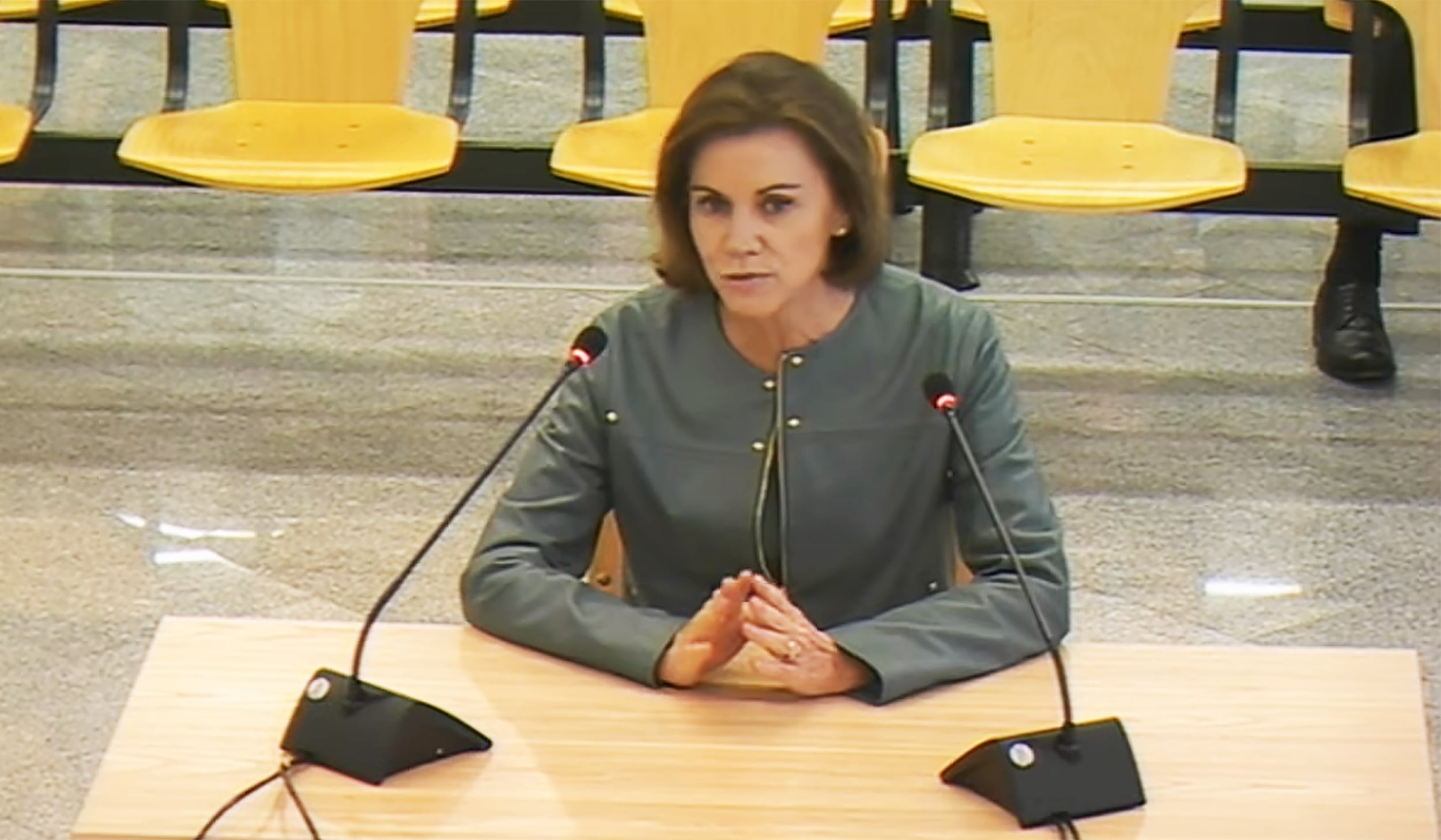
On April 23, 2026, high-ranking former officials from Spain’s People’s Party (PP) appeared in court for the ongoing "Kitchen Case" trial. Former Prime Minister Mariano Rajoy and former Secretary General María Dolores de Cospedal gave testimony regarding allegations of illegal spying. They both denied any involvement in a secret plot to track the party’s former treasurer, Luis Bárcenas. This trial is a major event in Spanish politics as it looks into whether government power was used to hide evidence of financial crimes.
Main Impact
The testimony from these top leaders is a critical moment for the Spanish legal system. If the court finds that the government used police resources to protect a political party, it could change how people view the country's leadership from that era. The "Kitchen Case" involves claims that police were used to steal documents from Luis Bárcenas to prevent him from sharing secrets about illegal party funding. By denying these claims, Rajoy and Cospedal are trying to protect their reputations and the history of their political party. Their statements today aim to shift the blame away from the party's top leadership and onto individual police officers or the former treasurer himself.
Key Details
What Happened
During the court session at the Audiencia Nacional, María Dolores de Cospedal admitted that she met with a former police chief named José Manuel Villarejo. However, she told the court that these meetings were not part of a crime. She claimed she reached out to him because she believed the People’s Party was being spied on by people within the Ministry of the Interior. She firmly denied ordering any surveillance on Luis Bárcenas, the man at the center of the scandal.
Later in the day, former Prime Minister Mariano Rajoy took the stand as a witness. He told the court that he never ordered anyone to follow or spy on Bárcenas. Rajoy described his relationship with the former treasurer as "purely professional." He also strongly denied a specific story told by Bárcenas earlier in the week. Bárcenas had claimed he recorded Rajoy in his office while handing him secret accounting papers and an envelope full of cash. Rajoy called this story completely false and said the "Kitchen Case" operation never even existed as far as he knew.
Important Numbers and Facts
The trial focuses on events that happened several years ago when the People’s Party was in power. Luis Bárcenas, who served as the party's treasurer, is a central figure because he claimed the party kept a secret set of financial books, often called "Account B." The "Kitchen Case" specifically refers to a police operation that allegedly cost thousands of euros in public money. Prosecutors believe this money was used to pay informants and hire people to follow Bárcenas and his family to find and destroy evidence of these secret accounts.
Background and Context
To understand this trial, it is important to know about the "Gürtel" case. This was a massive investigation into corruption and bribery involving many business leaders and politicians. Luis Bárcenas was a key part of that investigation. When he began to talk to judges about the party's secret money, the "Kitchen" operation allegedly started. The goal of this secret mission was reportedly to get back documents that could hurt the People’s Party before the police or judges could see them. This is why the trial is so important; it is not just about spying, but about whether the government tried to stop a criminal investigation into its own party.
Public or Industry Reaction
The public reaction in Spain has been very strong. Many people are watching the trial closely to see if the former leaders will be held responsible. Critics of the People’s Party say it is hard to believe that such a large police operation could happen without the leaders knowing about it. On the other hand, supporters of Rajoy and Cospedal believe that Luis Bárcenas is lying to get a shorter prison sentence for his own crimes. Legal experts are focused on whether the prosecution can provide hard evidence, like phone records or documents, that prove the leaders gave the orders for the spying.
What This Means Going Forward
The trial will continue with more witnesses, including former Interior Minister Juan Ignacio Zoido. His testimony is expected to be very important because he was in charge of the police during part of the time this spying allegedly happened. The court will have to decide who is telling the truth: the former treasurer who says he has proof of corruption, or the former government leaders who say they did nothing wrong. The final decision could lead to prison time for former officials or it could clear the names of the party's top leadership. It will also affect how the current People’s Party is seen by voters in future elections.
Final Take
This trial shows the deep struggle between political power and the rule of law. While Mariano Rajoy and María Dolores de Cospedal have denied all wrongdoing, the court must now weigh their words against the evidence gathered over years of investigation. The outcome will be a major turning point for justice and politics in Spain.
Frequently Asked Questions
What is the Kitchen Case?
The Kitchen Case is a legal investigation into claims that members of the Spanish government used police resources to illegally spy on Luis Bárcenas, a former political treasurer, to steal evidence of party corruption.
Why did Mariano Rajoy testify?
Mariano Rajoy testified as a witness because he was the Prime Minister and the leader of the People’s Party during the time the alleged spying took place. He was asked to explain if he knew about or ordered the operation.
Who is Luis Bárcenas?
Luis Bárcenas is the former treasurer of the People’s Party. He became a key figure in several corruption scandals after he claimed the party maintained secret bank accounts and received illegal donations from businesses.