Summary
Rahul Gandhi, the Leader of Opposition in the Lok Sabha, has raised serious concerns regarding the Women’s Reservation Bill. He claims that Prime Minister Narendra Modi and Home Minister Amit Shah are using the bill as a way to distract the public. According to Gandhi, the government’s real goal is to change the boundaries of voting areas across the country. He compared this plan to recent changes made in Assam and Jammu & Kashmir, suggesting that these moves are designed to help the ruling party stay in power.
Main Impact
The main impact of these statements is a growing debate over how and when women will actually get more seats in India's Parliament. While the bill was passed with a lot of support, it cannot be used until a new census and a process called delimitation are finished. Gandhi’s comments suggest that the opposition does not trust the government’s timing. This creates a political divide where one side sees the bill as a historic win for women, while the other side sees it as a tool for political gain through the redrawing of voting maps.
Key Details
What Happened
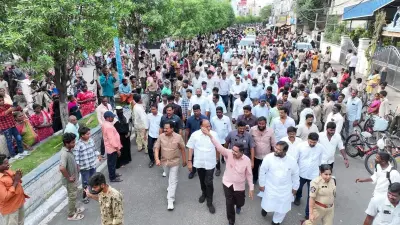
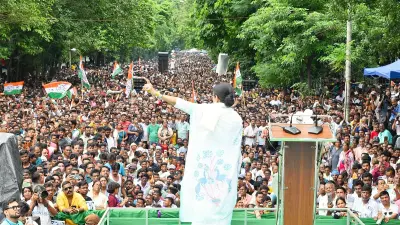
During a recent speech, Rahul Gandhi spoke about the connection between the Women’s Reservation Bill and the redrawing of electoral lines. He argued that the government is not being fully honest about why the bill is being delayed. He specifically mentioned that the government is following a "model" seen in Assam and Jammu & Kashmir. In those regions, the borders of voting districts were changed recently. Gandhi believes the government wants to do the same thing on a national level before allowing the women's quota to take effect.
Important Numbers and Facts
The Women’s Reservation Bill aims to set aside 33 percent of seats in the Lok Sabha and state assemblies for women. However, the law states that this can only happen after the next census is completed. After the census, a delimitation commission must redraw the boundaries of every voting area based on the new population numbers. Since the census has been delayed for several years, critics point out that women might not see these reserved seats until 2029 or even later. Gandhi highlighted that this long wait is a sign that the government is using the bill for other purposes.
Background and Context
To understand this issue, it is important to know what delimitation means. In simple words, it is the process of fixing the limits or boundaries of territorial constituencies in a country. This is usually done to make sure each seat has roughly the same number of voters. However, it is a very sensitive topic in India. The last time boundaries were fully redrawn was many years ago. Many people fear that redrawing these lines now could change which party has the most influence in certain states.
Rahul Gandhi mentioned Assam and Jammu & Kashmir because both places have seen their voting maps changed in the last few years. In Assam, the process was finished recently, and in Jammu & Kashmir, it happened after the region's special status was removed. In both cases, opposition parties complained that the new maps were drawn in a way that favored the ruling party. By calling it the "Assam and J&K model," Gandhi is warning that the same thing could happen across the whole country.
Public or Industry Reaction
The reaction to Gandhi’s claims has been split along party lines. Members of the Congress party and other opposition groups agree that the delay in helping women enter politics is unnecessary. They argue that if the government truly wanted to help women, they would start the reservation immediately without waiting for a census. On the other hand, the government maintains that following the legal process of census and delimitation is the only way to make the changes fair and lawful. They accuse the opposition of trying to create confusion about a bill that was passed with a huge majority.
What This Means Going Forward
Going forward, the focus will likely shift to when the national census will actually begin. The census is the first step required to start the process of redrawing voting lines. Until that happens, the Women’s Reservation Bill remains a promise for the future rather than a reality for today. There will also be more pressure on the government to explain how they will ensure the redrawing of boundaries is fair. If the opposition continues to link this process to the "Assam model," it could lead to more protests and legal challenges in the coming years.
Final Take
The debate over the Women’s Reservation Bill is no longer just about giving women a voice in politics. It has become a larger fight over how India’s democracy is organized. While the goal of having more women in power is widely supported, the path to getting there is filled with political tension. The concerns raised about redrawing voting maps show that the next few years will be a critical time for India's electoral system. How the government handles the census and the new boundaries will determine if the public trusts the final outcome.
Frequently Asked Questions
What is the Women’s Reservation Bill?
It is a law that reserves one-third of the seats in India's Parliament and state assemblies for women to ensure they have better representation in government.
Why is the bill being delayed?
The law says the reservation can only start after a new census is conducted and voting boundaries are redrawn based on the new population data.
What does "delimitation" mean?
Delimitation is the process of redrawing the borders of voting districts to make sure the number of voters in each area is balanced as the population grows.