
Summary
Rahul Gandhi, the Leader of the Opposition in the Lok Sabha, has raised serious concerns about a potential trade deal between India and the United States. During a speech in Kerala, he claimed that Prime Minister Narendra Modi is giving in to pressure from US President Donald Trump. Gandhi argues that this agreement will "sacrifice" the interests of Indian farmers to satisfy American demands. He believes the deal will allow large, industrial US farms to compete unfairly with small-scale Indian farmers, putting millions of livelihoods at risk.
Main Impact
The primary concern raised by this development is the future of India's agricultural economy. If the trade deal moves forward as Gandhi describes, it could change how food is bought and sold in India. Small farmers, who form the backbone of the country, may find it impossible to compete with cheap, mass-produced goods from the United States. This could lead to lower incomes for rural families and a greater dependence on foreign imports for basic food items like soybeans and vegetables.
Key Details
What Happened
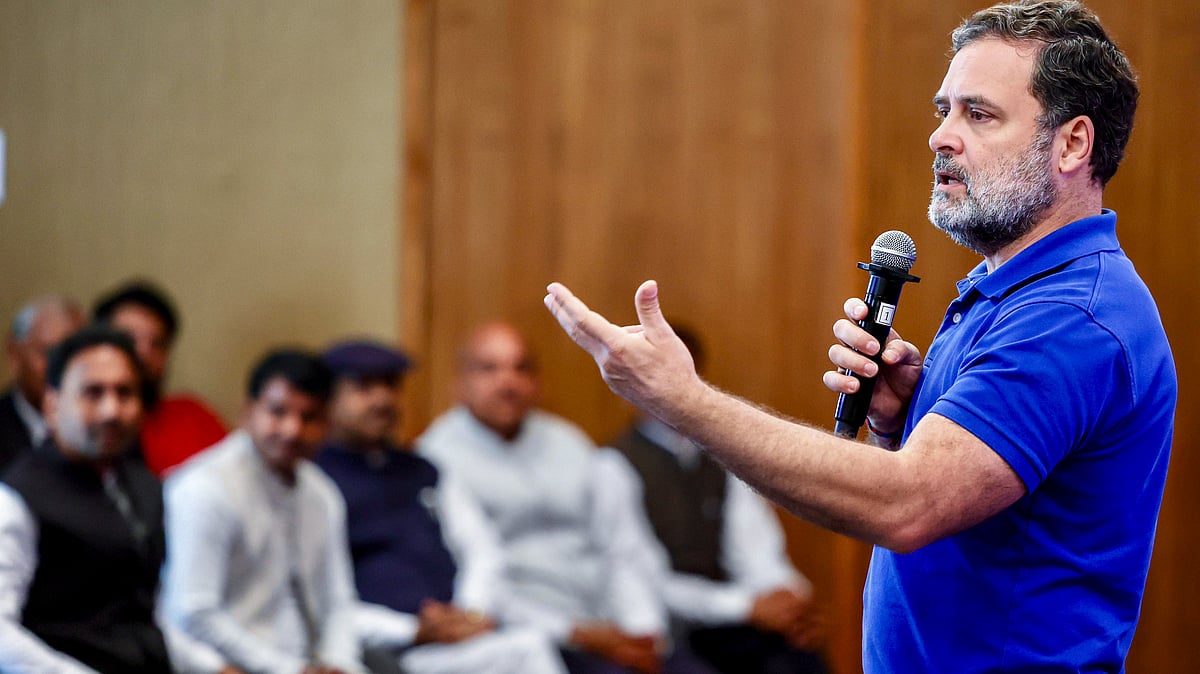
Rahul Gandhi spoke at a large gathering of farmers in Peravoor, located in the Kannur district of Kerala. He told the crowd that the Indian government had been holding back on certain trade terms for months. However, he alleged that the government recently changed its mind because of pressure from Washington. Gandhi claimed that the Prime Minister is prioritizing international relations and specific business interests over the welfare of the people who grow India's food.
He also mentioned that he was not allowed to speak freely in Parliament recently. He wanted to discuss two specific topics: files related to the Jeffrey Epstein case in the US and legal issues involving the Adani Group. Gandhi suggested that these issues are linked to why the government is now agreeing to the trade deal.
Important Numbers and Facts
The trade discussions focus on giving the US more access to the Indian market for products like soybeans, fruits, and vegetables. These are areas where American farmers use high-tech machinery to produce goods at a very low cost. In India, agriculture supports over 40% of the workforce, most of whom are small-scale workers. Gandhi pointed out that while the government often talks about the growth of the technology sector, no progress is real if the farming foundation is weak.
Background and Context
Trade talks between India and the United States have been ongoing for several years. Agriculture has always been a difficult topic because both countries want to protect their own farmers. In the US, farming is a massive industry with significant government support and advanced technology. In India, farming is more than just a business; it is a way of life for hundreds of millions of people. Most Indian farms are small, and farmers often struggle with weather changes and rising costs.
The opposition party, led by Gandhi, has frequently accused the current government of favoring big corporations over common workers. By bringing up the trade deal now, Gandhi is highlighting what he sees as a pattern of the government choosing global business deals over local protection.
Public or Industry Reaction
The Union government has not yet given a detailed response to the specific claims about the trade deal. However, they have spoken out against Gandhi’s mentions of the Jeffrey Epstein case. Government officials called those claims "baseless" and said they lack any real evidence. Within the farming community, there is a mix of worry and caution. Some farmer groups have expressed fear that any reduction in import taxes on US goods would lead to a crash in local market prices.
What This Means Going Forward
As the next elections approach, the Congress party is making farming a central part of its plan. Gandhi announced that his party is working on a new manifesto that focuses on the rights of farmers and laborers. This plan includes promises for better storage facilities, improved "cold chains" to keep food fresh, and a stronger Minimum Support Price (MSP) system. The MSP is a guaranteed price that the government pays to farmers for their crops, which helps protect them from market crashes.
In Kerala, Gandhi also noted that local issues like conflicts between humans and wild animals need more attention. This suggests that the opposition will continue to push for local agricultural reforms while fighting against international trade deals that they find harmful.
Final Take
The debate over the India-US trade deal shows the difficult balance between global cooperation and protecting local workers. While trade can bring new products and investments, it also carries the risk of hurting those who cannot compete with global giants. Rahul Gandhi’s latest comments set the stage for a major political battle over who truly looks out for the interests of the Indian farmer. The government will likely need to provide more clarity on the trade terms to ease the growing concerns in the rural heartland.
Frequently Asked Questions
Why is Rahul Gandhi worried about the US trade deal?
He believes the deal will allow large American farms to flood the Indian market with cheap goods, which would make it hard for small Indian farmers to survive and earn a fair price.
What specific crops are mentioned in the trade talks?
The discussions mainly involve American access to the Indian market for soybeans, various fruits, and vegetables.
What is the government's response to these claims?
The government has dismissed claims linking the Prime Minister to US legal cases as baseless, but they have not yet released a full statement regarding the specific details of the trade deal allegations.

