Summary
Farmers in Punjab are facing a new crisis as the war between the US, Israel, and Iran threatens their livelihood. With the wheat harvest season approaching, many are forced to take high-interest loans to stockpile diesel, fearing that fuel supplies will run out or prices will skyrocket. This global conflict is not only making farming more expensive but is also affecting families who rely on money sent home by workers in the Middle East.
Main Impact
The biggest impact of the war is the sudden increase in rural debt. Farmers who were already struggling to pay back old loans are now borrowing even more money at interest rates as high as 18 percent. This extra money is being used to buy drums of diesel in advance. Without fuel, their heavy machinery cannot run, and their entire year's worth of hard work could rot in the fields. The war is creating a sense of panic that is pushing small farmers deeper into a trap of permanent debt.
Key Details
What Happened
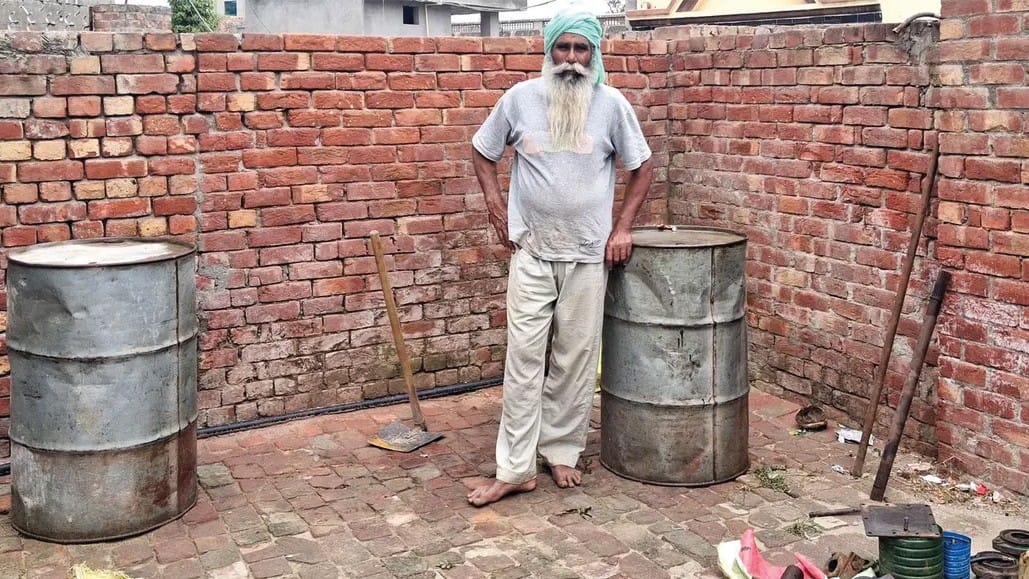
In villages across Punjab, the sight of green wheat fields turning gold usually brings hope. However, this year, it brings worry. Farmers like Dalbara Singh, a 55-year-old landless worker, are filling large drums with diesel to prepare for the harvest. He and his brothers till 20 acres of leased land. Their tractors and harvesting machines use a lot of fuel, and a single drum may only last two days during the peak of the season. Because they fear the war will stop fuel shipments, they are buying as much as they can now, even if it means paying high interest to moneylenders.
Important Numbers and Facts
The financial situation in rural Punjab is becoming a major concern for economists. According to a study from late 2025, farmers in the state owe a total of about 1.24 lakh crore rupees. Most of this, around 1.04 lakh crore, is owed to formal banks. The remaining 20,000 crore is owed to private moneylenders, often called commission agents or arhtiyas. Over the last twenty years, the amount of debt in rural areas has grown five times larger. For an individual farmer, a single machine like a combine harvester can cost 12 lakh rupees, often funded entirely by loans that require huge monthly payments.
Background and Context
Punjab is often called the breadbasket of India because it produces so much grain. However, this production depends heavily on machines and chemicals. Tractors, harvesters, and water pumps all run on diesel. Additionally, the fertilizers used to help crops grow are often imported or made using materials that come through the same shipping routes affected by the war in West Asia. When a conflict happens thousands of miles away, it directly changes the cost of growing food in India. Many families also send their children to work in countries like Cyprus or the Gulf to earn better wages. When those regions are at war, jobs disappear, and these young workers often want to return home, leaving their families with the travel debts but no income to pay them back.
Public or Industry Reaction
Farm union leaders are noticing a trend of panic buying. At local filling stations, long lines of tractors are a common sight. Leaders from groups like the Bharti Kisan Union say that farmers feel they have no choice. They cannot risk their crops failing, so they accept unfair loan terms just to stay prepared. There is a growing feeling that the government needs to step in and provide a safety net. Farmers are asking why they must carry the burden of global politics when they are simply trying to feed the country. Many feel that without government help, the current debt levels will lead to a total collapse of the small farming system.
What This Means Going Forward
The immediate future looks difficult for the agricultural sector. If the war continues, the cost of diesel will likely stay high, and the next planting season could be even harder. Farmers are already worried about the availability of fertilizers for the next crop cycle. If young workers continue to return from overseas due to the conflict, the loss of extra income will make it impossible for many families to pay off their bank loans. This could lead to banks seizing equipment like tractors and harvesters, which would leave farmers with no way to earn a living at all.
Final Take
The struggle of Punjab's farmers shows how closely the world is connected. A war in one part of the globe can quickly turn into a debt crisis for a small village in India. While the harvest should be a time of celebration, it has become a time of fear and financial risk. Without a plan to stabilize fuel prices and manage rural debt, the people who grow the nation's food may find themselves unable to survive the very system they support.
Frequently Asked Questions
Why are Punjab farmers buying diesel in advance?
Farmers fear that the war in West Asia will cause fuel shortages or lead to a massive price hike. They need diesel to run their harvesting machines and cannot afford to let their crops sit in the fields.
How much debt do farmers in Punjab have?
Recent studies show that Punjab farmers owe over 1.24 lakh crore rupees to banks and private moneylenders. This debt has increased significantly over the last two decades.
How does the war affect migrant workers from Punjab?
Many young people from Punjab work in West Asian countries. The war has hurt industries like tourism and shipping in those areas, leading to job losses and forcing many workers to return home with unpaid travel debts.