Summary
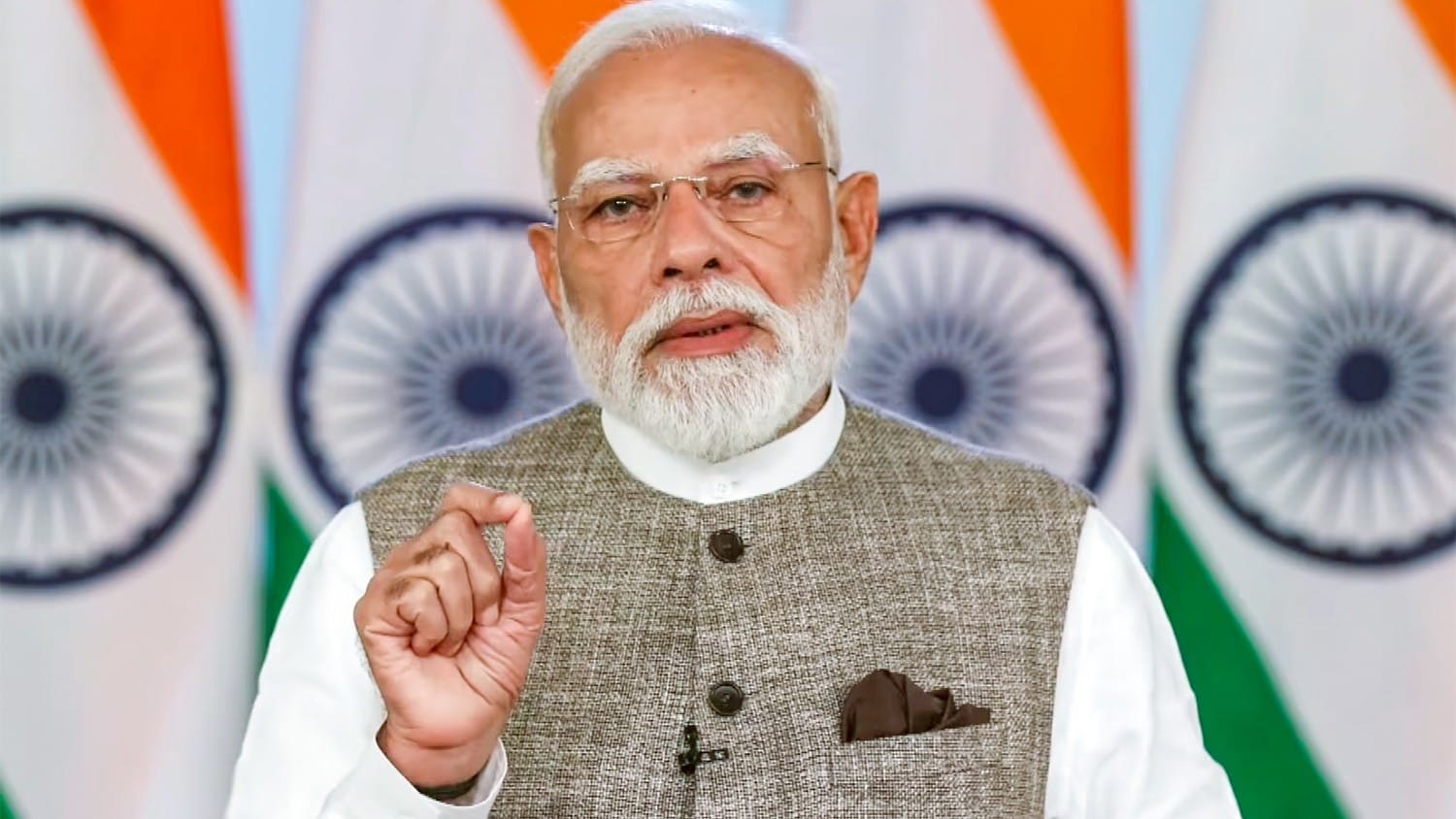
Prime Minister Narendra Modi addressed the nation on Saturday, April 18, 2026, following a major legislative defeat in Parliament. The government failed to pass a new women’s reservation bill because it could not secure the necessary two-thirds majority in the Lok Sabha. During his 29-minute speech, the Prime Minister expressed strong frustration and directed heavy criticism toward opposition parties. He accused them of blocking progress for women to protect their own political interests.
Main Impact
The failure of this bill is a significant moment for the current government, as it shows they lack the total control needed for major constitutional changes. The Prime Minister’s reaction suggests a growing divide between the ruling party and the opposition. By taking his grievances directly to the public on national television, the Prime Minister has turned a legislative loss into a central theme for upcoming political battles. This event highlights the intense struggle over how women will be represented in Indian politics and how the size of the Parliament might change in the future.
Key Details
What Happened
On Friday, the day before the speech, the Lok Sabha voted on a new version of the women’s reservation bill. This bill was different from previous versions because it was tied to the 2011 census and included a plan to increase the number of seats in the House. When the bill did not get enough votes to pass, opposition members celebrated in the chamber. The Prime Minister’s speech the following day was a direct response to this event. He began with a brief apology to the women of India but quickly moved to attacking his political rivals.
Important Numbers and Facts
The Prime Minister’s speech lasted exactly 29 minutes and 21 seconds. During this time, he focused heavily on specific opposition groups. He mentioned the Congress party 59 times, the Samajwadi Party 10 times, the Trinamool Congress seven times, and the DMK five times. A major part of the failed bill was a proposal to expand the Lok Sabha. It aimed to increase the maximum number of members from the current 550 to 850. The government also tried to use data from the 2011 census instead of waiting for a newer census, which was the original plan set in 2023.
Background and Context
To understand this situation, it is important to know that a women’s reservation law was already passed in 2023. That law was supposed to take effect after the first census conducted after the year 2026. However, the government recently tried to change these rules. The new bill attempted to speed up the process by using old census data from 2011. Critics argue that the government did this to avoid the results of a newer caste census, which might change how seats are shared. The opposition also pointed out a contradiction in the Prime Minister's message. While he criticized others for not supporting women, his own party has less than 10 percent women representatives in the Gujarat assembly, despite being in power there for 30 years.
Public or Industry Reaction
The reaction to the speech was immediate and divided. Opposition leaders, including Congress President Mallikarjun Kharge, accused the Prime Minister of spreading misinformation. Kharge pointed out that the Prime Minister wrongly claimed the Congress party opposed major reforms like GST and Aadhaar. Priyanka Gandhi described the defeat of the bill as a victory for the "INDIA" opposition alliance, calling the government's proposal a "black day" for the ruling coalition. Many observers noted that the Prime Minister appeared more upset than usual, using strong language like "foeticide" to describe the rejection of the bill.
What This Means Going Forward
This conflict sets the stage for a very aggressive election season. The government is likely to use the bill's failure to tell female voters that the opposition is standing in their way. Meanwhile, the opposition will continue to argue that the government’s bill was a political trick designed to increase the number of seats in Parliament to their own advantage. The debate over the census and the "quota within a quota" for different groups will remain a major talking point. Both sides are now fighting to prove they are the true champions of women's rights in India.
Final Take
The Prime Minister’s speech was more than just a report on a failed bill; it was a clear sign of the high stakes in Indian politics today. By focusing so heavily on the opposition, the government is signaling that it will not back down on its plans to reshape the Parliament. However, the opposition’s ability to block the bill shows that the ruling party faces real challenges in passing major laws. The path toward women's reservation remains complicated by census data, seat counts, and deep political rivalries.
Frequently Asked Questions
Why did the women’s reservation bill fail?
The bill failed because the government could not get a two-thirds majority in the Lok Sabha. This high number of votes is required for changes that affect the Constitution.
What was different about this new bill?
This bill tried to use the 2011 census instead of waiting for a post-2026 census. It also proposed increasing the total number of seats in the Lok Sabha from 550 to 850.
How did the Prime Minister react to the defeat?
The Prime Minister gave a 29-minute speech where he blamed opposition parties, specifically naming the Congress party 59 times, and accused them of insulting the women of India.