
Summary
Prime Minister Narendra Modi has given a personal guarantee that no state in India will face unfair treatment during the upcoming delimitation process. Delimitation is the task of redrawing the boundaries of parliamentary and assembly seats based on the latest population data. While the Prime Minister promises fairness, the Congress party has raised serious concerns. They claim the government is using the promise of women’s reservation as a way to force through these changes for political gain.
Main Impact
The debate over delimitation is one of the most sensitive topics in Indian politics today. It directly affects how many members of parliament each state sends to the Lok Sabha. States in the south of India are worried that because they have successfully controlled their population growth, they might end up with fewer seats compared to northern states where the population has grown much faster. The Prime Minister’s guarantee is an attempt to calm these fears and ensure that political representation remains balanced across the country. However, the disagreement with the opposition shows that this will be a major point of conflict in the coming years.
Key Details
What Happened
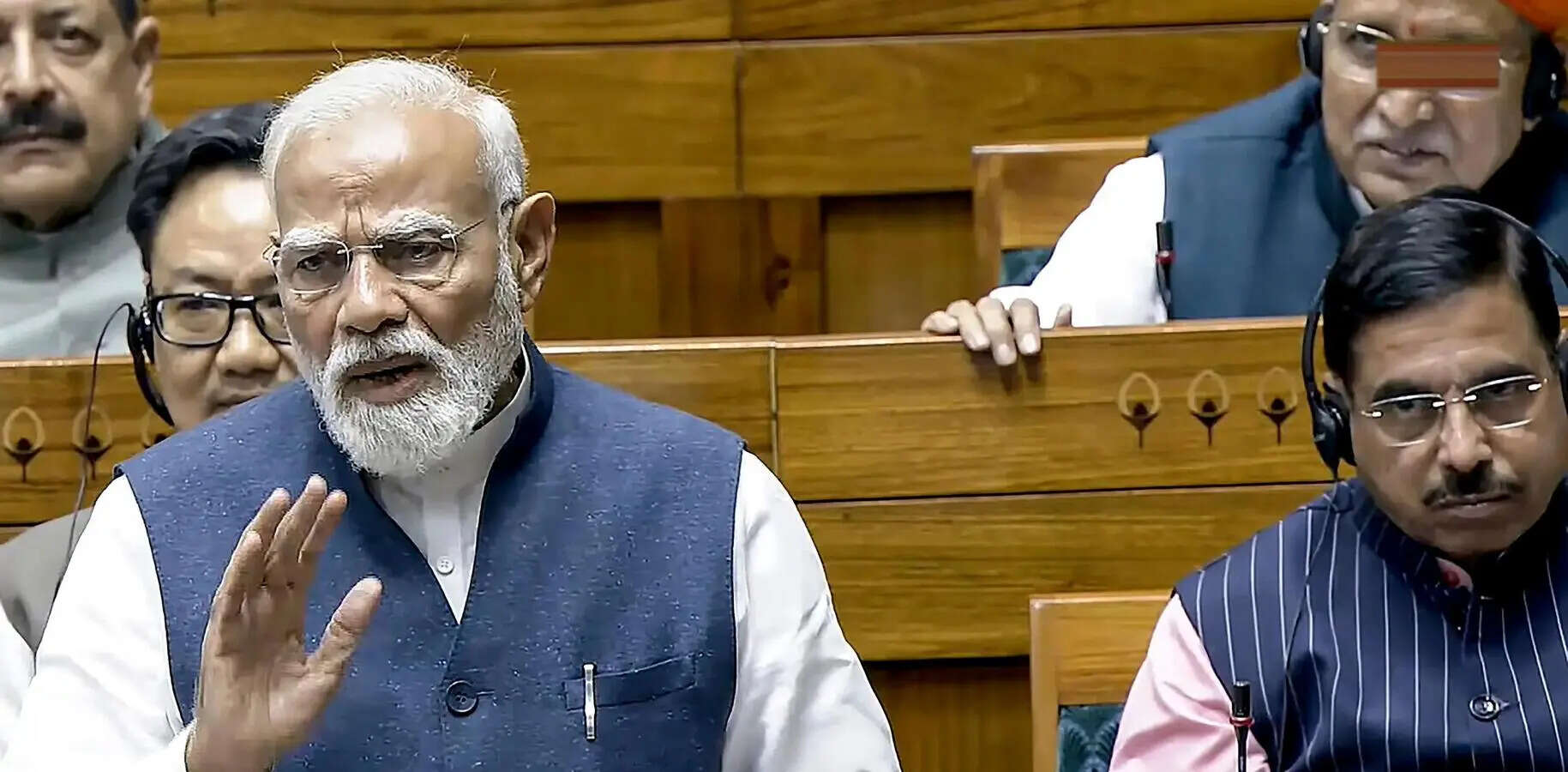
During recent political discussions, Prime Minister Modi addressed the fears surrounding the redrawing of electoral maps. He stated that his government is committed to justice for every region. On the other side, the Congress party held a press conference to criticize the timing of these moves. They argued that the government is linking the new women’s reservation law to the delimitation process, which could delay the actual benefits for women for many years.
Important Numbers and Facts
The women’s reservation law aims to set aside 33 percent of seats in the Lok Sabha and state assemblies for women. However, the government has stated that this can only happen after a new census is conducted and the delimitation process is finished. The last time seat numbers were frozen was in 1976, and that freeze is set to end soon. If the seats are redistributed based on the 2021 census (which was delayed), the total number of seats in the Lok Sabha could increase significantly from the current 543.
Background and Context
To understand why this matters, we have to look at how democracy works in India. Seats in Parliament are usually distributed based on how many people live in an area. In the 1970s, the government decided to stop changing the number of seats to encourage states to promote family planning. They did not want to punish states that were successful at slowing down population growth. Now, decades later, the difference in population between northern and southern states is very large. Southern states fear that a new count will give northern states too much power in the central government. The link to women’s reservation adds another layer of complexity, as it makes the start of the quota dependent on these boundary changes.
Public or Industry Reaction
The Congress party has been very vocal about its disapproval. They have accused the BJP-led government of using delimitation as a "political weapon." According to Congress leaders, if the government truly cared about women’s representation, they would implement the 33 percent quota immediately using the current seat numbers. They believe that waiting for a census and a boundary review is just a way to push the actual implementation far into the future. Other regional parties, especially from South India, have also expressed similar worries about losing their voice in national decision-making.
What This Means Going Forward
The next few years will be critical for India’s electoral system. First, the government must conduct the national census, which was put on hold during the pandemic. Once the population data is ready, a Delimitation Commission will be formed to decide how to draw the new lines. The Prime Minister’s "guarantee" suggests that the government might look for a formula that protects the interests of states with smaller populations. If they cannot find a solution that everyone agrees on, it could lead to a major political standoff between different regions of the country. The timeline for when women will finally see more seats in Parliament also depends entirely on how fast these steps are completed.
Final Take
The promise of fairness is a strong statement, but the path to redrawing India’s political map is full of challenges. Balancing the needs of a growing population with the rights of states that have followed national goals is a difficult task. While the government sees this as a necessary step for modernizing democracy, the opposition sees it as a move to gain more power. The real test will be whether the government can turn this guarantee into a plan that satisfies all parts of the country while finally giving women their promised share of political leadership.
Frequently Asked Questions
What is delimitation in simple terms?
Delimitation is the process of fixing or redrawing the boundaries of territorial constituencies in a country to reflect changes in the population. This ensures that each seat represents a similar number of voters.
Why is the Congress party upset about the women's reservation law?
Congress believes the government is delaying the law by linking it to the census and delimitation. They want the 33 percent quota for women to start immediately based on the current number of seats in Parliament.
Why are southern states worried about new seat counts?
Southern states have had lower population growth compared to northern states. They fear that if seats are assigned strictly by population, they will lose seats and have less influence in the central government.



