Summary
Prime Minister Narendra Modi recently visited West Bengal to lead a series of major political rallies. During his visit, he focused on the tribal regions of the state, where he spoke to large crowds about the need for political change. The Prime Minister criticized the ruling Trinamool Congress (TMC) party, accusing them of engaging in corrupt practices known as "cut-money politics." He told the public that the Bharatiya Janata Party (BJP) is ready to take over the state government to ensure better growth and honesty.
Main Impact
The Prime Minister's visit has significantly increased the political heat in West Bengal. By focusing on the tribal belts, the BJP is trying to win over a group of voters that could decide the outcome of the next election. Modi’s direct attack on corruption aims to change how people view the current state leadership. If his message stays with the voters, it could lead to a major shift in power within the state, moving support away from the TMC and toward the BJP.
Key Details
What Happened
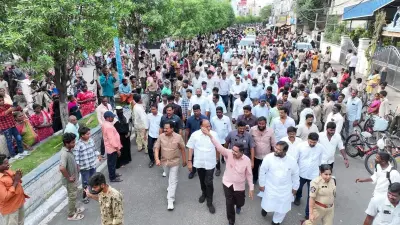
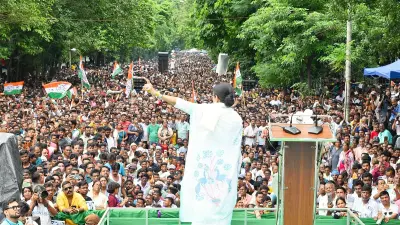
Prime Minister Modi traveled to four key areas in West Bengal: Purulia, Bankura, Jhargram, and Belda in West Midnapore. These areas are known for their large tribal populations and rural communities. In each location, he gave speeches that focused on the failures of the local government. He specifically used the term "cut-money" to describe how some local leaders allegedly take a portion of the money meant for government welfare programs before it reaches the poor.
Modi claimed that the people of Bengal are tired of this system and are looking for a way out. He promised that a BJP government would bring central government schemes directly to the people without any middlemen taking a share. He also predicted a clear victory for his party, stating that the current political atmosphere shows a strong desire for change.
Important Numbers and Facts
The Prime Minister addressed four separate rallies in a single day, showing the importance the BJP places on these regions. These tribal belts represent a significant number of seats in the state assembly. In previous elections, these areas have seen close contests between the TMC and the BJP. By visiting all four locations in one trip, the Prime Minister is trying to build a strong momentum that can last until the voting begins.
Background and Context
Politics in West Bengal has been very intense for several years. The TMC, led by Chief Minister Mamata Banerjee, has been in power for a long time. However, the BJP has been working hard to expand its presence in the state. One of the biggest issues in Bengal politics is the allegation of "cut-money." This refers to an illegal commission that local party workers or officials sometimes demand from citizens who are trying to access government services or grants.
Tribal communities in West Bengal often feel that they do not get their fair share of development. They live in areas that are rich in natural beauty but sometimes lack basic infrastructure like good roads, schools, and hospitals. Both major parties are now fighting to prove that they are the true friends of these tribal groups. The BJP is using the Prime Minister's personal popularity to convince these voters that a change at the state level will improve their lives.
Public or Industry Reaction
The reaction to the Prime Minister's speeches has been divided along party lines. BJP supporters have expressed great excitement, believing that Modi's presence will help them win more seats. They feel that his focus on corruption is exactly what the state needs. On the other hand, TMC leaders have dismissed the Prime Minister's claims. They argue that the BJP is trying to mislead the public and that the state government has done a lot for the welfare of the tribal people.
Political experts are watching these developments closely. They note that the tribal vote is often a "swing" vote, meaning it can change sides easily. If the BJP manages to capture a large portion of this vote, it will be very difficult for the TMC to keep its majority in the state. The focus on "cut-money" is a strategic move to make voters think about their personal finances and how corruption affects their daily lives.
What This Means Going Forward
As the elections get closer, the campaign is likely to become even more aggressive. The BJP will probably continue to highlight stories of corruption and promise better management of public funds. The TMC is expected to counter this by highlighting its own social welfare programs and accusing the central government of not providing enough financial support to the state. The safety and security of these rallies will also be a priority, as political events in the region can sometimes lead to clashes between rival groups.
The next few months will show whether the Prime Minister's message has truly reached the hearts of the rural voters. If the BJP wins in these tribal areas, it will mark a historic shift in West Bengal's political history. For the people living in these regions, the main hope is that the political competition leads to better services and more attention to their specific needs, regardless of which party wins.
Final Take
The political battle for West Bengal is entering a critical phase. By visiting the tribal heartlands and speaking out against corruption, Prime Minister Modi has set a clear tone for the BJP's campaign. The focus is no longer just on general development, but on the direct honesty of the government. Whether this strategy will be enough to defeat the TMC remains to be seen, but it has certainly made the upcoming election one of the most watched contests in the country.
Frequently Asked Questions
What is "cut-money" in West Bengal politics?
"Cut-money" is a term used to describe illegal commissions or bribes taken by local officials or party workers from the money meant for government welfare schemes.