
Summary
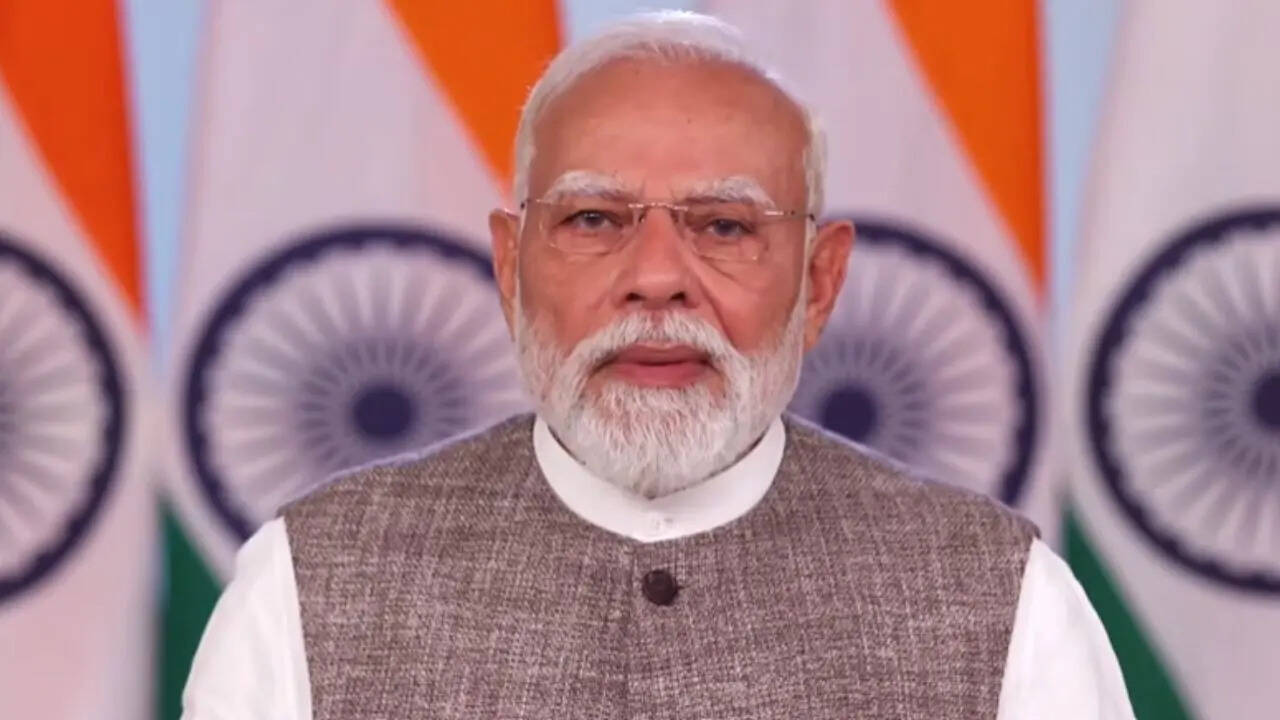
Prime Minister Narendra Modi recently addressed the women of India with a message of deep regret. He stated that despite his government’s hard work, the vision of "Nari Shakti," or women's power, has faced serious setbacks in certain areas. The Prime Minister apologized to the nation's women, acknowledging that their dreams were hurt by recent events. This statement highlights the gap between national policies and the reality of safety for women on the ground.
Main Impact
The Prime Minister’s apology marks a significant shift in how the government talks about women's issues. Usually, leaders focus only on the success of their programs. By saying sorry, the Prime Minister is admitting that government efforts alone have not been enough to stop crimes and injustice against women in every part of the country. This admission has sparked a massive conversation about why local authorities sometimes fail to protect citizens even when national laws are in place. It puts pressure on state governments and local police to do a better job of keeping women safe.
Key Details
What Happened
During a public address, Prime Minister Modi spoke about the pain felt by women who have suffered from violence and harassment. He specifically pointed to instances where local systems failed to provide justice. He explained that his heart was heavy because the goal of making every woman feel powerful and secure was not fully reached. The Prime Minister noted that while the central government creates the rules, the actual protection of people happens at the local level. When local leaders or police do not follow through, the dreams of "Nari Shakti" are crushed.
Important Numbers and Facts
The government has launched several large programs over the last few years to help women. These include the "Beti Bachao Beti Padhao" campaign, which focuses on education, and the "Ujjwala Yojana," which provides clean cooking gas to millions of homes. Statistics show that more women are now opening bank accounts and finishing school than ten years ago. However, crime reports in specific regions show that safety remains a major worry. The Prime Minister’s apology follows reports of serious crimes that shocked the public and led to demands for faster justice and better policing.
Background and Context
The term "Nari Shakti" has been a central part of the government’s message for a long time. It means "women power" and represents the idea that India can only grow if its women are successful and safe. In simple terms, the government wants women to lead in business, politics, and science. To support this, new laws were passed to give women more seats in parliament and better rights at work. However, social problems and local corruption often get in the way. This topic matters because millions of voters are women, and their safety is a top priority for families across the country.
Public or Industry Reaction
The reaction to the Prime Minister’s apology has been mixed. Many people praised the leader for being honest and showing empathy toward victims. They feel that admitting a mistake is the first step toward fixing it. On the other hand, some critics and opposition leaders say that an apology is not enough. They argue that the government needs to take much stronger action against people who break the law. Social media has been full of stories from women sharing their own experiences, calling for more than just words. They want to see real changes in how the police handle complaints and how courts punish criminals.
What This Means Going Forward
Moving forward, the government is expected to tighten the rules for local law enforcement. There will likely be more focus on making sure that state governments are held responsible when they fail to protect women. We might see more funding for fast-track courts, which are special courts designed to finish cases quickly so that victims do not have to wait years for justice. The Prime Minister’s apology also suggests that the government will make women's safety a even bigger part of its future plans. The goal is to move from just talking about empowerment to making sure every woman feels safe walking down the street at any time.
Final Take
An apology from a national leader is a rare and powerful moment. It shows that the struggle for women's safety in India is far from over. While laws and programs are a good start, the real test is whether they work for every woman, regardless of where she lives. The focus must now stay on turning these words of regret into real, lasting safety for everyone.
Frequently Asked Questions
What does "Nari Shakti" mean?
"Nari Shakti" is a Hindi phrase that translates to "women power." It is used to describe the government's goal of empowering women through education, safety, and leadership roles.
Why did the Prime Minister apologize?
The Prime Minister apologized because he felt that despite the government's efforts, many women in India still face violence and injustice, and their dreams of safety have been hurt by local failures.
What are the next steps for women's safety?
The government is expected to focus on better local policing, faster court cases for crimes against women, and ensuring that state authorities follow national safety laws more strictly.



