Summary
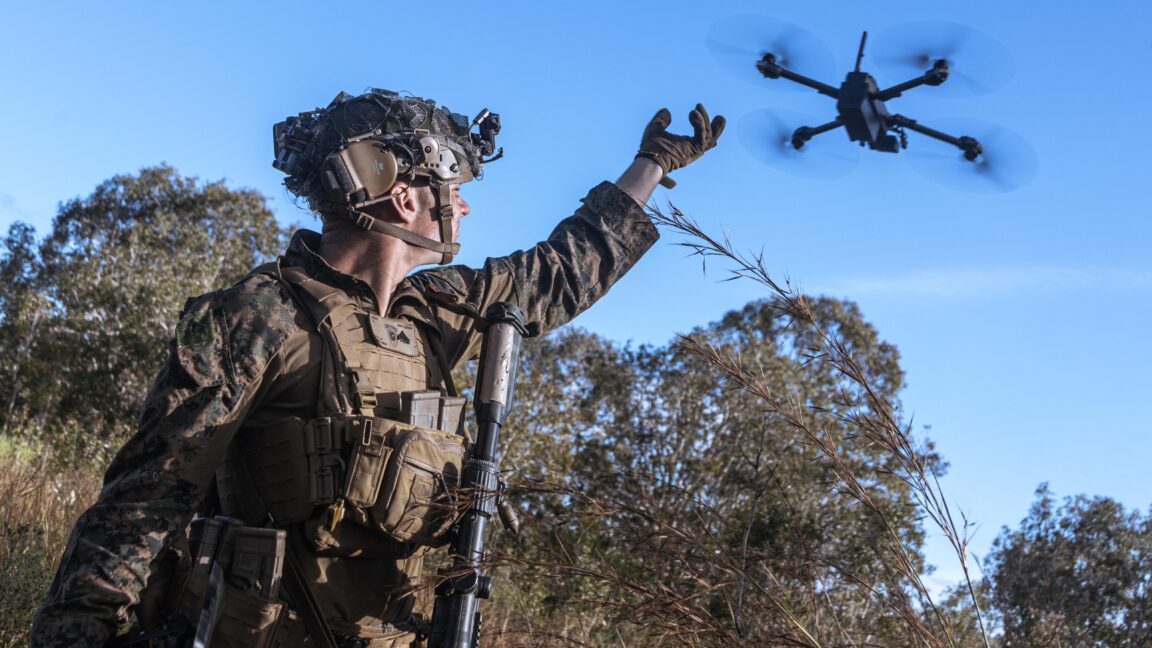
The United States military has requested a massive $53.6 billion to fund drone technology and defense systems for the 2027 fiscal year. This request is part of a much larger $1.5 trillion total budget for the Department of Defense. If the government approves this spending, the amount of money used just for drones would be larger than the entire military budgets of most other nations. This move shows that the Pentagon is making robotic and autonomous warfare its top priority for the future.
Main Impact
The decision to spend nearly $54 billion on drones marks a major shift in how the United States plans to defend itself and fight wars. For decades, the military focused on expensive manned vehicles like fighter jets and large ships. Now, the focus is moving toward smaller, cheaper, and smarter robotic systems. This change will affect everything from how soldiers are trained to how weapons are built in American factories. It also sends a strong message to the rest of the world that the U.S. intends to lead the way in high-tech, autonomous combat.
Key Details
What Happened
The Pentagon recently shared its budget plans for the next year, highlighting a record-breaking investment in drone warfare. The money is intended for the Defense Autonomous Warfare Group (DAWG). This is a new organization that was started in late 2025 to oversee how the military uses robots and artificial intelligence. In its first year, the group received about $226 million. The new request for over $53 billion is a massive increase that shows how quickly the military wants to grow this program.
Important Numbers and Facts
The scale of this spending is difficult to imagine. To put it in perspective, the $53.6 billion requested for drones alone would rank the U.S. drone program among the top 10 biggest military spenders in the world. This single program would have more funding than the entire national defense budgets of countries like South Korea, Israel, and Ukraine. The money will be used to buy thousands of new drones, build a network to keep them running, and train a new generation of operators who will control these machines from a distance.
Background and Context
In simple terms, drones are aircraft or vehicles that do not have a human pilot inside. They can be controlled by a person far away or can even fly themselves using computer programs. In recent wars around the world, drones have changed everything. Small, inexpensive drones have been used to take out very expensive tanks and equipment. This has shown military leaders that they need a lot of drones to stay competitive.
The U.S. is not just looking to build drones that attack. A large part of this budget is for "counter-drone" technology. As drones become cheaper and easier for anyone to get, they become a threat to U.S. bases and soldiers. The Pentagon wants to build systems that can find and stop enemy drones before they can do any harm. This includes using tools like lasers or high-powered radio waves to knock them out of the sky.
Public or Industry Reaction
Many people in the technology and defense industries are excited about this news. Companies that build software and robotics will likely see a lot of new business. They believe this investment will create jobs and help the U.S. stay ahead in technology. However, some critics are worried about the high cost. They wonder if spending $54 billion on robots is the best use of taxpayer money when there are many other needs. There are also ongoing debates about the ethics of using machines that can make decisions on the battlefield without a human directly involved in every step.
What This Means Going Forward
If Congress gives the Pentagon the money it is asking for, the way the military operates will change forever. We will likely see a future where there are more robots than humans on the front lines. The military will need to find and train thousands of people who are good at computers and remote control systems rather than just traditional combat skills. Additionally, the U.S. will need to build new factories and supply chains to produce these drones quickly. This is not just a one-time purchase; it is the start of a new era where technology is the most important weapon a country can have.
Final Take
The Pentagon’s $54 billion request is a clear sign that the future of war is robotic. By spending more on drones than most countries spend on their entire militaries, the U.S. is betting heavily on autonomous technology. This move will likely trigger a new kind of arms race as other nations try to keep up with American drone capabilities. While the technology is impressive, the real challenge will be managing the costs and the new risks that come with robotic warfare.
Frequently Asked Questions
Why does the Pentagon want so much money for drones?
The military believes that drones are the future of warfare because they are cheaper than traditional planes and can perform dangerous missions without risking the lives of pilots. Recent global conflicts have shown that drones are very effective on the modern battlefield.
How does this drone budget compare to other countries?
The $53.6 billion requested for drones is more than the total military budget of most countries. If the U.S. drone program were its own country, it would have one of the ten largest military budgets in the world.
What is the Defense Autonomous Warfare Group (DAWG)?
The DAWG is a new branch of the Department of Defense created in 2025. Its job is to manage the development and use of drones, robots, and artificial intelligence for the U.S. military.