Summary
A major pipeline leak near a Pemex oil platform has caused a significant oil spill in the Gulf of Mexico. Official reports confirm that the spill has already killed local wildlife and polluted protected natural reserves. This event raises serious concerns about the safety of offshore drilling and the long-term health of the ocean. Emergency teams are currently working to contain the spread, but the damage to the local ecosystem is already widespread and visible.
Main Impact
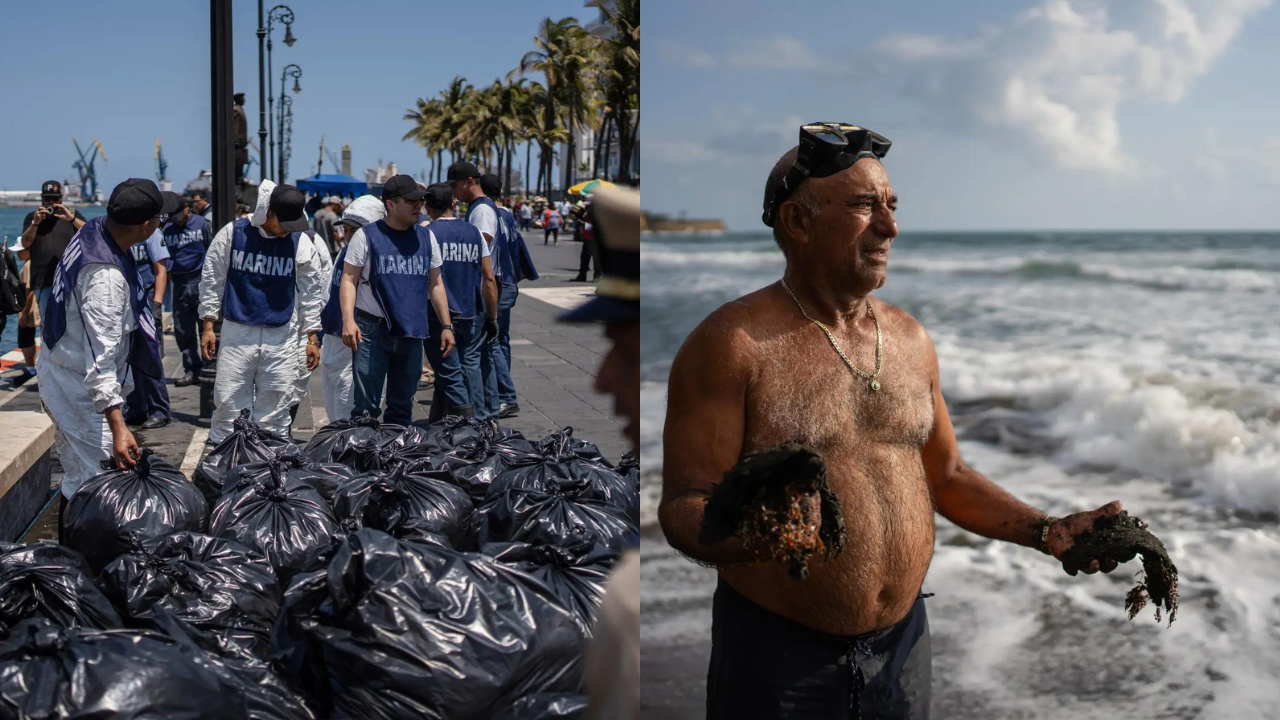
The spill has created a massive oil slick that is moving across the surface of the water. This thick layer of oil prevents oxygen from entering the water, which suffocates fish and other marine life. Beyond the water itself, the oil has started to wash up on shores, coating the feathers of sea birds and the shells of sea turtles. Because these animals cannot clean themselves, many have died shortly after coming into contact with the pollution.
The impact also reaches into protected natural areas. These reserves are meant to be safe havens for rare species, but the oil has moved into sensitive mangrove forests and coral reefs. These areas are incredibly difficult to clean because the oil gets trapped in the roots and small crevices. The loss of these habitats could mean that some species will struggle to recover for many years.
Key Details
What Happened
The leak was first detected in a subsea pipeline connected to a platform operated by Pemex, which is the state-owned oil company of Mexico. It took several hours for technical teams to find the exact location of the break because it was located deep under the water. While the company eventually managed to shut off the flow of oil, a large amount had already escaped into the open sea. The cause of the break is still being investigated, but early reports suggest that equipment failure played a major role.
Important Numbers and Facts
The oil slick now covers several square miles of the Gulf of Mexico. Officials have deployed thousands of feet of floating barriers, known as booms, to try and block the oil from reaching the most sensitive parts of the coast. Dozens of boats and hundreds of workers are involved in the cleanup effort. However, the sheer size of the spill makes it hard to manage. Scientists are currently testing the water quality to see how far the chemical pollution has spread beneath the surface.
Background and Context
Pemex is one of the largest oil producers in the world, but it has a history of technical problems. Many of the company's pipelines and platforms were built decades ago. The ocean is a very harsh environment, and salt water can cause metal to rust and weaken over time. Maintaining this infrastructure requires constant work and a lot of money. In recent years, there have been several other accidents involving Pemex facilities, including fires and smaller leaks. This latest disaster has brought more attention to the problem of aging equipment in the oil industry.
Public or Industry Reaction
Environmental groups have expressed deep anger over the spill. They argue that the company did not have enough safety measures in place to prevent such a large leak. Many activists are calling for the government to perform a full audit of all offshore pipelines to ensure they are safe. Local fishing communities are also very worried. Many families in the region rely on the ocean for food and money. With the water polluted, they cannot fish, and they fear that the fish populations will take years to return to normal levels.
What This Means Going Forward
The cleanup process will be long and expensive. Even after the visible oil is removed from the surface, tiny particles of oil can stay in the sand and the food chain. This means that animals that eat small fish or plants in the area might get sick long after the spill is over. The Mexican government may face pressure to issue heavy fines against Pemex to pay for the environmental damage. There is also a growing demand for the industry to move away from old, risky pipelines and invest in newer, safer technology to protect the environment.
Final Take
This oil spill is a tragic reminder of the risks involved in offshore energy production. While the world still relies on oil, the cost of an accident can be devastating for nature and local communities. Protecting the ocean and its wildlife must be a top priority for both companies and governments. Without better maintenance and stricter safety rules, the Gulf of Mexico remains at risk of future disasters that could cause permanent damage to its fragile ecosystem.
Frequently Asked Questions
What caused the oil spill in the Gulf of Mexico?
The spill was caused by a leak in an underwater pipeline near an oil platform operated by the company Pemex. The exact reason for the pipe breaking is still under investigation.
How is the oil spill affecting wildlife?
The oil is killing fish by removing oxygen from the water and coating birds and turtles in thick sludge. It is also damaging protected areas like mangroves and coral reefs where many animals live.
Is the oil spill being cleaned up?
Yes, emergency teams are using floating barriers to stop the oil from spreading and are working to remove the oil from the water and beaches. However, the process is expected to take a very long time.