
Summary
Tax season in 2026 is revealing a major divide in how Americans manage their money. A growing number of people are using new credit cards to pay their tax bills so they can earn large travel rewards and sign-up bonuses. At the same time, more than half of the country is in a much tougher spot, waiting for their tax refund just to pay for basic needs like rent and groceries. This situation shows that while some are finding clever ways to get free perks, many others are struggling to stay caught up with their daily expenses.
Main Impact
The biggest impact of this trend is the rise of "strategic spending" among those who have extra cash. For these taxpayers, a large bill from the IRS is seen as an opportunity to earn a free vacation. However, for the average household, the focus is on survival rather than rewards. New data shows that a huge portion of the population is living paycheck to paycheck, making the tax refund a vital lifeline rather than a bonus. This split highlights how differently people are experiencing the current economy.
Key Details
What Happened
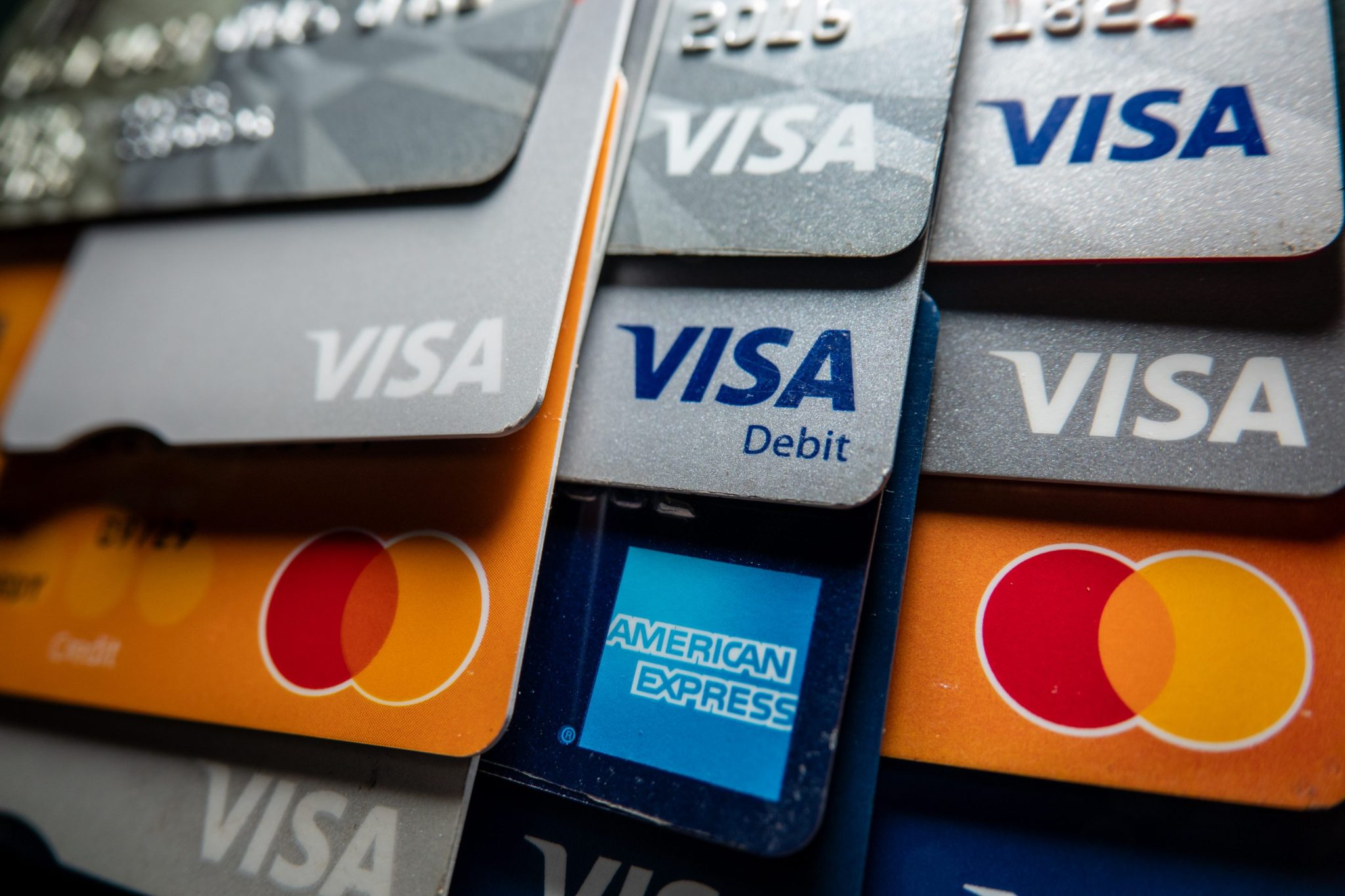
Many credit card companies are currently offering very high sign-up bonuses. To get these bonuses, a person usually has to spend a few thousand dollars within the first few months of opening the card. Since tax bills can be quite large, some people are opening these cards specifically to pay the IRS. While the IRS charges a fee to use a credit card, the value of the travel points earned is often much higher than the fee itself. This has become a popular "hack" on social media for people who want to travel for free.
Important Numbers and Facts
The IRS allows credit card payments through third-party processors that charge a fee, usually between 1.8% and 2%. For example, on a $5,000 tax bill, a 1.75% fee would cost about $87.50. If a new card offers 100,000 points for that same $5,000 in spending, those points could be worth $1,000 or more in flights or hotel stays. However, a recent survey of 1,000 Americans by CouponFollow found that 52% of people rely on their tax refund to pay overdue bills. Even more concerning, 27% of people said they would not be able to pay their taxes at all if they owed money this year.
Background and Context
This trend is happening because the cost of living has remained high for a long time. Prices for everyday items like food and gas have made it difficult for many families to save money. For many Americans, the tax refund is the largest single check they receive all year. In the past, people might have used this money for a new TV or a fun trip. Now, the data shows that people are being much more careful. They are using the money to "reset" their finances by paying off old debts or catching up on utility bills that have piled up over the winter.
Public or Industry Reaction
Financial experts are offering a mix of praise and warnings. Clay Cary, an analyst at CouponFollow, says that using credit cards for taxes can be a smart move, but only for a specific group of people. He explains that this strategy only works if you have the money in the bank to pay off the credit card bill immediately. If a person pays their taxes with a card but cannot pay the card balance off right away, the high interest rates will quickly wipe out any benefit from the travel points. Experts note that for most people, the risk of falling into deeper debt is not worth the reward of a few extra points.
What This Means Going Forward
Moving forward, we can expect to see more Americans becoming "intentional" with their money. This means they are looking for every possible way to stretch a dollar, whether through credit card points, coupons, or cash-back apps. The gap between those who can afford to play the "points game" and those who are just trying to get by will likely continue to grow. For those who owe money to the IRS, the pressure is higher than ever. If more people cannot afford to pay their tax bills, it could lead to more long-term debt problems for households across the country.
Final Take
Tax season is a clear reminder of the financial pressure many people feel today. While the idea of getting a free flight by paying your taxes sounds great, it requires a high level of financial discipline. For the majority of Americans, the smartest strategy is not chasing points, but using any extra money to get out of debt. Being honest about your budget is more important than any travel hack. If you can pay your bill in full, the rewards are a nice perk, but if you are struggling, the best move is to focus on the basics.
Frequently Asked Questions
Can I pay my federal taxes with a credit card?
Yes, the IRS allows you to pay your taxes using a credit card through several approved payment processors. However, these processors charge a convenience fee that is usually around 2% of your total payment.
Is it a good idea to use a new credit card for taxes?
It can be a good idea if the card has a large sign-up bonus and you have the cash to pay off the balance immediately. If you carry a balance, the interest charges will likely cost more than the rewards you earned.
What are most people doing with their tax refunds this year?
According to recent surveys, more than half of Americans are using their refunds to catch up on existing bills and debt. Only a small percentage of people are putting the money into savings or using it for luxury purchases.



