
Summary
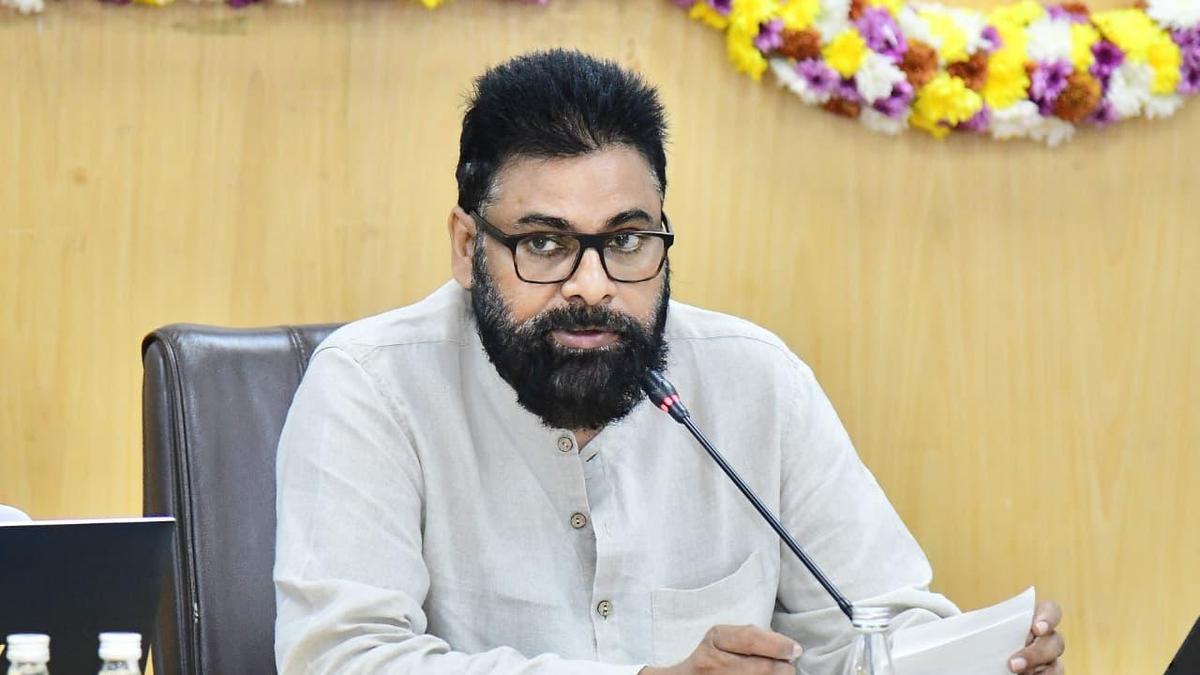
Pawan Kalyan, the leader of the Jana Sena Party and Deputy Chief Minister of Andhra Pradesh, has officially welcomed the introduction of the Nari Shakti Vandan Amendment Bill 2026. This bill, which was recently brought before the Lok Sabha, aims to provide 33% reservation for women in legislative bodies. Kalyan believes this is a historic step that will change the face of Indian politics. By giving women a guaranteed share of seats, the government aims to ensure their voices are heard in the highest levels of decision-making.
Main Impact
The introduction of this bill is expected to have a massive impact on how laws are made in India. For a long time, women have held only a small fraction of seats in Parliament and state assemblies. With 33% of seats reserved, hundreds of women will enter the political arena as lawmakers. This shift is likely to bring more focus to social issues, education, and healthcare. It also forces political parties to actively recruit and train women leaders, rather than keeping them in secondary roles.
Key Details
What Happened
The Nari Shakti Vandan Amendment Bill 2026 was introduced in the Lok Sabha to address the long-standing demand for gender equality in politics. Pawan Kalyan expressed his full support for the move, stating that it aligns with his party's vision of social justice. He noted that empowering women is not just a political goal but a necessity for the country's growth. The bill proposes a constitutional amendment to make these changes permanent and legally binding across the country.
Important Numbers and Facts
The bill specifically targets 33% of the total seats in the Lok Sabha and all State Legislative Assemblies. This means that one out of every three lawmakers will be a woman. The 2026 version of the bill follows years of discussions and previous attempts to pass similar laws. If passed, the reservation will apply for a set period, usually 15 years, after which it can be reviewed by the government. This ensures that the transition to a more balanced government is steady and monitored.
Background and Context
The struggle for women’s reservation in India has lasted for nearly three decades. While women have had reservations in local village councils for many years, the same rules did not apply to higher government offices. Many leaders argued that without a legal quota, women would continue to face barriers to entry in a male-dominated field. The "Nari Shakti Vandan" name itself translates to "Saluting Women's Power," reflecting a cultural shift in how the government views the role of women in society. Pawan Kalyan has often spoken about the need for "Gram Swaraj" and "Stree Shakti," making his support for this bill a natural extension of his political beliefs.
Public or Industry Reaction
The reaction to Pawan Kalyan’s support has been largely positive, especially among his followers and women's rights groups in Andhra Pradesh. Many see his backing as a sign that the younger generation of political leaders is ready for change. Other political parties have also shown support, though some have raised questions about the timing and the specific details of how seats will be chosen. Despite these debates, there is a general sense of excitement that India is finally moving toward a more inclusive democracy. Social media has been filled with discussions about how this law will inspire more young women to pursue careers in public service.
What This Means Going Forward
Looking ahead, the passage of this bill will require political parties to change their internal structures. They will need to identify capable women candidates in every state. This could lead to more diversity in political thought and better representation for rural women. There are also challenges, such as ensuring that women candidates are independent and not just acting on behalf of male relatives. However, the legal framework provided by the bill is a necessary starting point. As the bill moves through the legislative process, the focus will shift to how quickly these changes can be put into action for the next general elections.
Final Take
The support from Pawan Kalyan for the Nari Shakti Vandan Amendment Bill 2026 highlights a major turning point in Indian governance. By moving toward a system where 33% of leaders are women, India is positioning itself as a leader in gender-inclusive politics. While the law is a vital tool, the real success will come from a change in mindset across the country. This bill is a clear signal that the future of Indian leadership will be shared equally between men and women.
Frequently Asked Questions
What is the Nari Shakti Vandan Amendment Bill 2026?
It is a proposed law that seeks to reserve 33% of seats for women in the Lok Sabha and State Legislative Assemblies to ensure better gender representation in politics.
Why did Pawan Kalyan support this bill?
Pawan Kalyan supported the bill because it aligns with his party's goals of social justice and his belief that women must play a central role in the country's development and decision-making.
When will the 33% reservation come into effect?
The reservation will come into effect after the bill is passed by both houses of Parliament and receives the necessary approvals, likely impacting future election cycles.

