
Summary
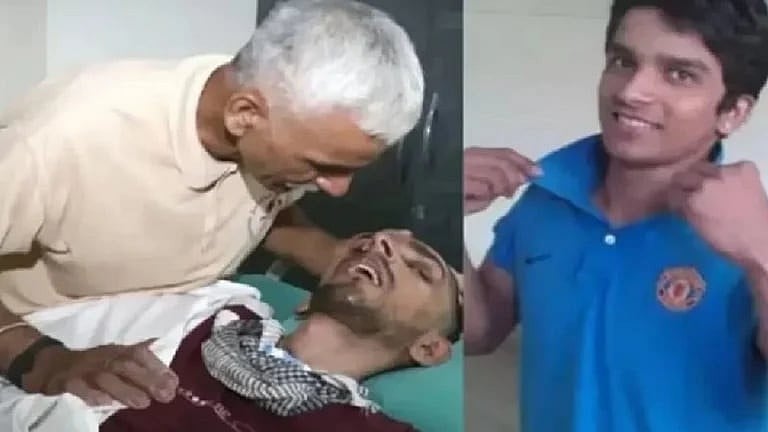
Harish Rana, a man who spent over 13 years in a coma, passed away at AIIMS Delhi on March 24, 2026. His death marks a significant moment in India’s legal history as he was the first person officially permitted to undergo passive euthanasia. After a long legal battle, the Supreme Court allowed doctors to stop the life-support measures that were keeping him alive. This case highlights the difficult balance between medical technology and the human right to a dignified death.
Main Impact
The passing of Harish Rana is the first time a court-ordered withdrawal of life support has been carried out under a specific legal framework in India. For years, the country has debated how to handle patients in a persistent vegetative state who have no chance of getting better. This event proves that the "right to die with dignity" is now a practical reality in the Indian medical system. It moves the conversation from abstract legal theories to actual medical practice, providing a roadmap for other families facing similar heart-breaking situations.
Key Details
What Happened
Harish Rana’s long struggle began in 2013 when he suffered a terrible accident. He fell from a fourth-floor balcony, which caused severe brain injuries. Since that day, he remained in a coma, unable to speak, move, or breathe fully on his own. He was kept alive through artificial nutrition and oxygen. On March 11, 2026, the Supreme Court ruled that continuing this treatment only served to prolong his suffering without any hope of recovery. Following the order, he was moved to a specialized unit at AIIMS where doctors slowly withdrew his life support. He passed away peacefully at 4:10 p.m. on March 24.
Important Numbers and Facts
Harish Rana lived in a vegetative state for more than 13 years. His life was sustained by a medical device called a percutaneous endoscopic gastrostomy tube, which delivered food directly to his stomach. The legal process that led to his death involved multiple medical boards and a five-judge bench of the Supreme Court. Even in death, Rana’s family chose to help others by donating his corneas and heart valves. This selfless act ensures that while his journey has ended, he will help improve the lives of others through organ donation.
Background and Context
To understand this case, it is important to know what passive euthanasia means. It is not the same as giving a patient a lethal injection to end their life. Instead, passive euthanasia is the decision to stop medical treatments, like ventilators or feeding tubes, that are keeping a person alive artificially. The goal is to let nature take its course when there is no hope for the patient to wake up or heal.
India’s journey toward this legal milestone started years ago. In 2018, the Supreme Court ruled that the right to life also includes the right to die with dignity. In 2023, the court made the rules simpler so that families would not have to wait decades for a decision. Harish Rana’s case was the first to successfully use these updated rules. It sets a precedent for how hospitals and courts should handle these sensitive matters in the future.
Public or Industry Reaction
The reaction to Harish Rana’s death has been one of deep respect for his family. The Supreme Court praised his parents, Ashok and Nirmala Rana, for their incredible dedication. They cared for their son for over a decade, never giving up hope until it became clear that he was in constant pain. His father explained that their decision was not about giving up, but about giving their son peace.
Activists and medical experts have also spoken out. Pinki Virani, a well-known journalist who has fought for euthanasia rights for years, praised the doctors at AIIMS for their compassionate care. She urged other families to talk about their end-of-life wishes early. This helps avoid long legal battles and ensures that a person’s final days are spent with dignity rather than in a hospital bed against their will.
What This Means Going Forward
This case will change how India handles end-of-life care. The Supreme Court has now asked the central government to create clear laws regarding passive euthanasia. This would mean that families might not always have to go to the highest court in the land to get help. Instead, local medical boards and district officers will have the power to review cases and make decisions based on expert medical advice.
Hospitals will also need to set up specialized teams to handle the withdrawal of life support. These teams must focus on "palliative care," which means keeping the patient comfortable and pain-free during their final moments. The focus is shifting from simply keeping a body alive to ensuring that the person’s final experience is as peaceful as possible.
Final Take
Harish Rana’s story is a tragic one, but his legacy will be one of change and compassion. By allowing him to pass away naturally, the legal system has shown that it can be humane. This case provides a sense of closure for a family that suffered for 13 years and offers a clear path for the medical community to follow. It reminds us that dignity is just as important at the end of life as it is at the beginning.
Frequently Asked Questions
What is the difference between active and passive euthanasia?
Active euthanasia involves taking a direct action, like an injection, to end a life. Passive euthanasia is simply stopping life-sustaining treatments, such as feeding tubes or ventilators, to allow a natural death to occur.
Is passive euthanasia legal for everyone in India?
It is legal only for patients who are in a permanent vegetative state or have a terminal illness with no hope of recovery. It requires a strict process involving medical boards and legal oversight to ensure it is not misused.
What was the role of the Supreme Court in this case?
The Supreme Court provided the legal permission to withdraw Harish Rana's life support. They also set guidelines for how medical boards should be formed to handle similar cases in the future across the country.

