
Summary
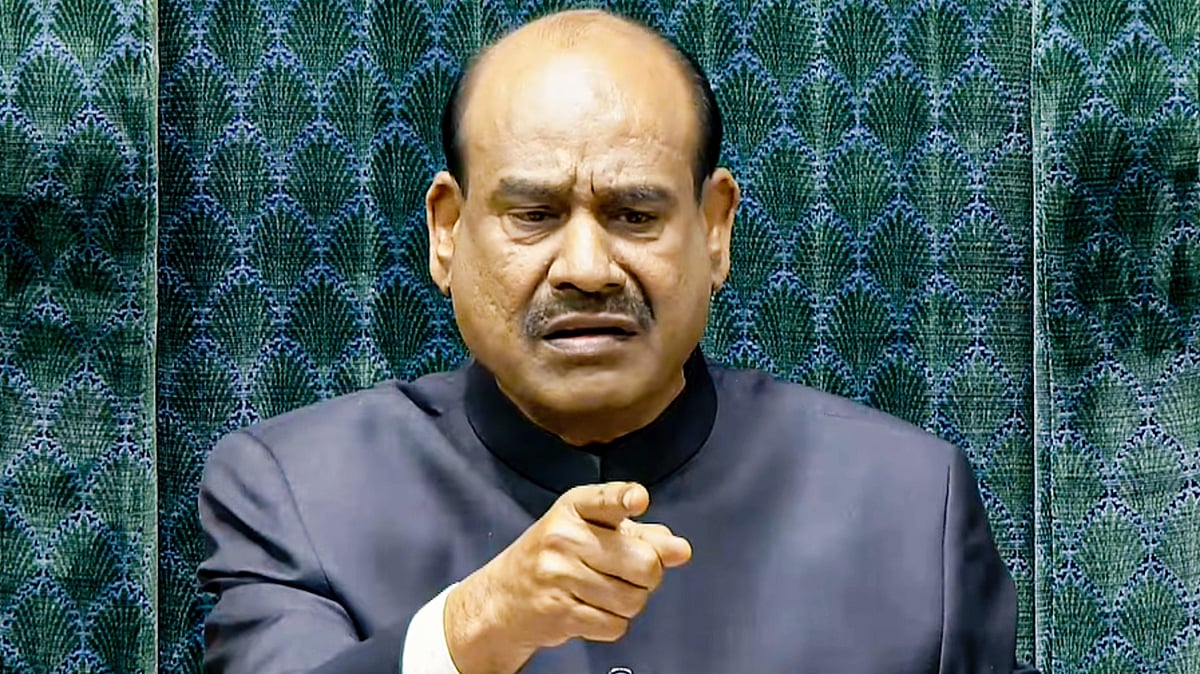
Lok Sabha Speaker Om Birla recently faced a wave of criticism and mockery on social media after surviving a no-confidence motion. The motion was dismissed through a voice vote, a move that many critics found controversial. The situation intensified when Birla shared a congratulatory letter from Prime Minister Narendra Modi on the social media platform X. This post triggered a flood of sarcastic comments and memes from users who questioned the fairness of the parliamentary process and the decision to avoid a formal vote count.
Main Impact
The primary impact of this event is the growing public debate over how parliamentary procedures are conducted in India. By rejecting the opposition's demand for a "division"—which is a formal, recorded vote—and relying instead on a "voice vote," the government has faced accusations of bypassing transparency. This has led to a heated digital conversation about the neutrality of the Speaker's office. The event shows how social media now acts as a real-time platform for citizens to challenge official government narratives and demand more accountability from their leaders.
Key Details
What Happened
Earlier this week, opposition parties brought a no-confidence motion against Om Birla, the Speaker of the Lok Sabha. Such a motion is a formal way for lawmakers to show they no longer support the person in charge. However, the motion did not lead to a formal count of votes. Instead, it was decided by a voice vote, where the Speaker listens to the volume of "ayes" and "noes" to determine the winner. After surviving the motion, Birla posted a letter from Prime Minister Modi. In the letter, the Prime Minister praised the outcome as a win for democratic traditions. This post became the center of the online backlash.
Important Numbers and Facts
The event took place in mid-March 2026. While the exact number of supporters was not recorded due to the lack of a division vote, the voice vote was ruled in favor of the Speaker. Opposition members claimed that their voices were suppressed during the debate. Some lawmakers alleged that their microphones were turned off while they were speaking. The social media response was massive, with thousands of users sharing memes and comments within hours of the post appearing on X.
Background and Context
To understand why this is a big deal, it is important to know how the Indian Parliament works. The Speaker is supposed to be a neutral person who makes sure all parties get a fair chance to speak. A no-confidence motion is a serious tool used by the opposition when they feel the Speaker is being biased. Usually, when such a serious motion is brought forward, the opposition asks for a "division." This means every single vote is counted and recorded so everyone can see exactly who voted and how. By using a voice vote, the final numbers remain unknown, which often leads to claims of unfairness. This is not the first time the current government has been accused of using voice votes to pass important decisions quickly.
Public or Industry Reaction
The reaction on social media was swift and largely negative. Many users used humor and sarcasm to express their frustration. One popular post joked that since the Speaker won by a voice vote, he might as well plan his entire retirement using the same method to avoid any real challenges. Others were more serious, calling the proceedings a "circus" and claiming that the opposition was being "gagged" or silenced.
Memes also played a large role in the reaction. Images of Birla from past parliamentary sessions were edited with captions mocking the "voice vote" system. Some users pointed out that the Prime Minister rarely joins debates or holds press conferences, making his letter of praise feel out of touch with the public's concerns. The general sentiment among critics was that the letter from the Prime Minister mattered more to the Speaker than the actual rules of fair debate.
What This Means Going Forward
Moving forward, this incident is likely to make the relationship between the government and the opposition even more tense. The opposition is expected to continue protesting the use of voice votes for major decisions. There is also a risk that the public's trust in parliamentary institutions could weaken if they feel that rules are being used to favor the ruling party. For Om Birla, his every move in the House will now be watched even more closely by social media users. This event proves that what happens inside the walls of Parliament no longer stays there; it is analyzed and criticized by millions of people online instantly.
Final Take
While Om Birla remains in his position as Speaker, the online backlash shows a deep dissatisfaction with how the no-confidence motion was handled. The reliance on a voice vote instead of a transparent count has left many questioning the health of democratic processes. As social media continues to grow as a tool for political commentary, leaders will find it harder to ignore public opinion, even when they have the official support of the government.
Frequently Asked Questions
What is a voice vote in Parliament?
A voice vote is a method where the Speaker asks those in favor to say "Aye" and those against to say "No." The Speaker then decides the winner based on which side sounded louder. It does not provide an exact count of individual votes.
Why did the opposition want a division?
A division is a formal vote where every member's choice is recorded. The opposition wanted this to ensure transparency and to show exactly how many lawmakers supported or opposed the Speaker, rather than relying on the Speaker's judgment of sound.
Why was Om Birla trolled on social media?
He was trolled because he posted a congratulatory letter from PM Modi after winning a no-confidence motion through a voice vote. Many people felt this was a sign of bias and that the win was not achieved through a fair or transparent counting process.

