Summary
Global oil prices saw a massive drop today after Iran announced that the Strait of Hormuz will remain fully open for commercial shipping. Brent crude, which is the international benchmark for oil prices, fell by 10% following the news. This decision is linked to an ongoing ceasefire in the region, providing much-needed stability to global energy markets. Investors and world leaders are watching closely as this move reduces the immediate risk of a major supply disruption.
Main Impact
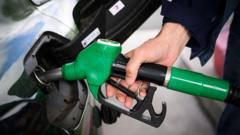
The most direct impact of this announcement is the sharp decline in the cost of crude oil. A 10% drop in a single day is considered a very large move in the commodities market. This change suggests that the "risk premium"—the extra money traders pay because they fear a supply shortage—is starting to disappear. For regular people, this could eventually lead to lower prices at the gas pump and cheaper heating costs if the trend continues.
Beyond just prices, the impact reaches into the shipping and insurance industries. When a vital waterway like the Strait of Hormuz is guaranteed to be safe, the cost of insuring large oil tankers goes down. This makes it cheaper and easier to move oil from the Middle East to the rest of the world, including major buyers in Europe and Asia.
Key Details
What Happened
Iranian officials gave a public statement confirming that the Strait of Hormuz is "completely open" for all commercial vessels. This statement was made to reassure the international community during the current ceasefire period. Before this, there were many concerns that the waterway could be blocked or that ships might be targeted due to regional conflicts. By promising safe passage for the remainder of the ceasefire, Iran has calmed the nerves of global oil traders who were worried about a sudden stop in oil flow.
Important Numbers and Facts
The numbers behind this story show why the market reacted so strongly. Brent crude oil prices fell by 10% almost immediately after the news broke. To understand why this matters, one must look at the Strait of Hormuz itself. It is a narrow stretch of water that connects the Persian Gulf with the Gulf of Oman. About 20% of the world's total oil supply passes through this single point every day. This amounts to roughly 20 million barrels of oil daily. Because so much of the world's energy depends on this one path, even a small threat to close it can cause prices to jump. Conversely, a guarantee that it will stay open causes prices to tumble.
Background and Context
The Strait of Hormuz has long been one of the most sensitive spots in the world for the global economy. It is a "chokepoint," meaning it is a narrow passage that is difficult to bypass. Most of the oil produced by countries like Saudi Arabia, Kuwait, and the United Arab Emirates must go through this strait to reach international markets. There are very few pipelines that can carry oil around this area, so the world is stuck using this water route.
In the past, whenever tensions rise between Iran and other nations, the threat of closing the strait is often mentioned. This creates a lot of uncertainty. When traders are uncertain, they buy oil "just in case" the supply stops, which drives the price up. The current ceasefire has provided a window of peace, and Iran's latest statement confirms that they intend to keep trade moving as long as the peace agreement holds.
Public or Industry Reaction
The reaction from the financial world was swift. Stock markets in many countries saw a slight boost as energy costs fell. Airlines and transport companies, which spend a lot of money on fuel, saw their stock prices rise. Market analysts say that this move by Iran is a sign that they want to maintain the benefits of the ceasefire. However, some experts remain cautious. They point out that the "open" status of the strait is tied to the ceasefire, meaning if the peace deal fails, the threat to oil supplies could return quickly.
Shipping companies have expressed relief. Navigating the strait during times of high tension requires extra security and higher pay for crews, which adds to the cost of doing business. With a formal assurance of safety, these companies can plan their routes with more confidence and lower their operational risks.
What This Means Going Forward
In the short term, we can expect oil prices to stay lower than they were last week. This is good news for countries struggling with high inflation, as energy costs are a big part of why prices for food and goods go up. If oil stays cheap, it helps the whole economy grow more easily. However, the long-term outlook depends entirely on politics. The ceasefire is the foundation of this stability. If the parties involved in the conflict can turn this temporary peace into a permanent agreement, the oil market could stay calm for a long time.
If the ceasefire ends, the 10% price drop could be reversed in a single day. Traders will be watching for any signs of renewed trouble in the region. For now, the focus will be on how much oil starts flowing and whether other oil-producing nations change their production levels in response to the lower prices.
Final Take
The sudden drop in oil prices is a clear reminder of how much the global economy depends on stability in the Middle East. While the news that the Strait of Hormuz is open is a positive sign for consumers and businesses, it also shows how fragile the market can be. For today, the world can breathe a sigh of relief as energy costs fall, but the future of oil prices remains tied to the success of diplomatic efforts and the continuation of the ceasefire.
Frequently Asked Questions
Why did oil prices drop so fast?
Prices dropped because Iran guaranteed that the Strait of Hormuz would stay open for ships. This removed the fear that oil supplies would be cut off, leading traders to sell their oil contracts and driving the price down by 10%.
What is the Strait of Hormuz?
It is a narrow waterway between the Persian Gulf and the Gulf of Oman. It is the most important oil transit point in the world, with about one-fifth of the world's oil passing through it every day.
Will gas prices go down immediately?
While crude oil prices fell quickly, it usually takes a few days or weeks for those savings to reach the gas station. If oil prices stay low, consumers should see lower prices at the pump soon.