
Summary
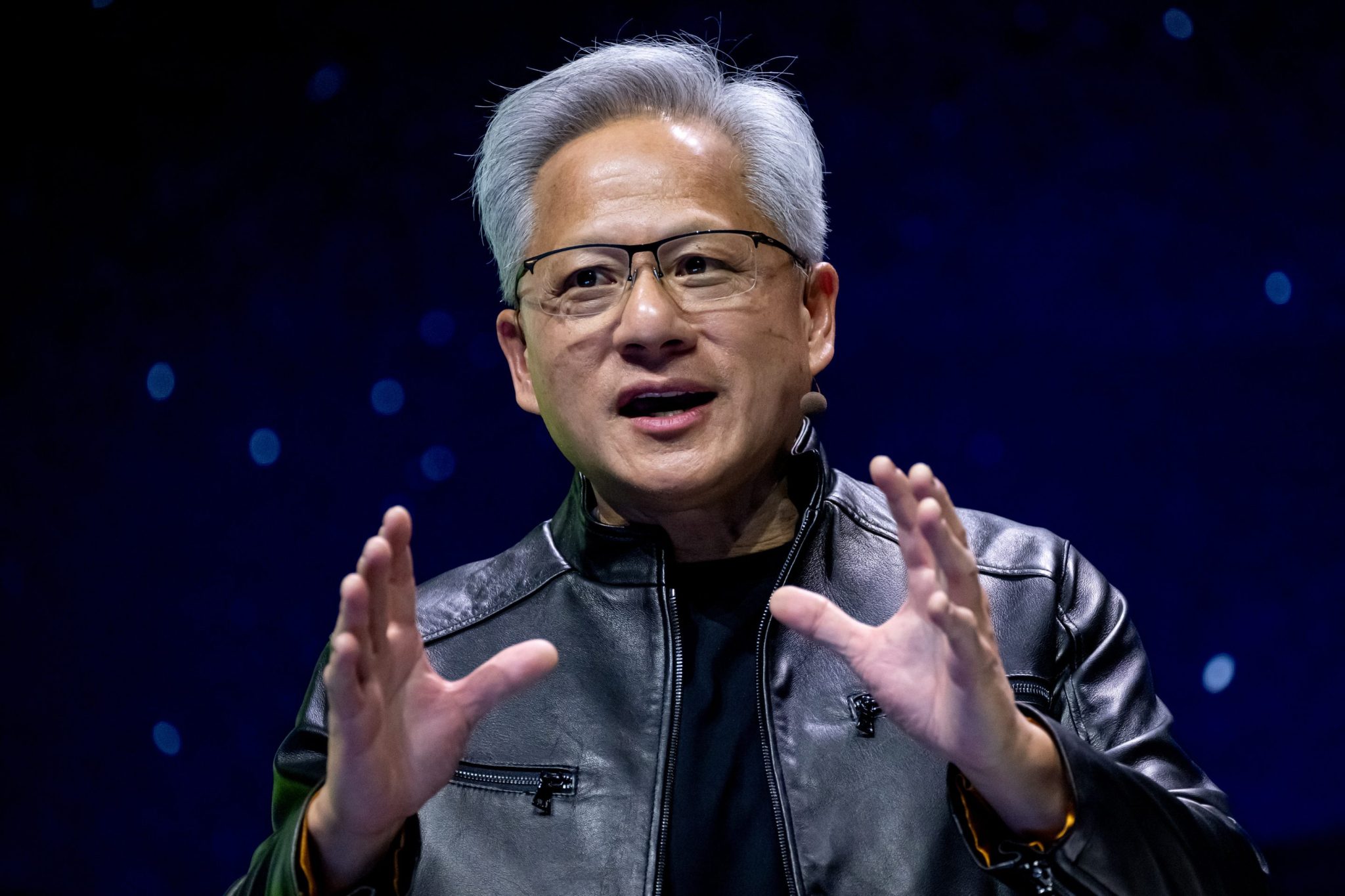
Nvidia CEO Jensen Huang believes that artificial intelligence (AI) will not lead to mass unemployment. Instead, he suggests that AI agents will make employees busier than they have ever been. Huang describes these digital tools as assistants that might "harass" or "micromanage" workers to help them complete tasks faster and at a much larger scale. While many people fear that technology will replace human workers, Huang argues that this shift will eventually create more jobs and opportunities for everyone.
Main Impact
The rise of AI agents is changing the way people think about their daily work. These agents are software programs designed to perform specific tasks, like organizing a calendar or writing computer code, without constant human input. Huang suggests that instead of taking over a person's entire role, these tools will act like very active managers. They will push workers to handle more projects and explore new ideas that were previously too difficult or expensive to try. This could lead to a workplace where humans are more productive but also under more pressure to keep up with the speed of technology.
Key Details
What Happened
During a recent talk at the Stanford Graduate School of Business, Jensen Huang shared his vision for the future of work. He explained that AI agents would likely become a constant part of the professional experience. He used words like "harassing" and "micromanaging" to describe how these tools will interact with people. His point was that AI will constantly provide data, reminders, and suggestions, keeping workers engaged in more tasks than before. Huang believes this will allow companies to grow and do things they never thought possible.
Important Numbers and Facts
Nvidia is currently one of the most valuable companies in the world, worth about $4.8 trillion. Jensen Huang, who has a net worth of $167 billion, has led the company for 34 years. While he is optimistic, other data shows why workers are worried. A report from the National Bureau of Economic Research suggests that about 44% of financial officers at U.S. companies plan to use AI to cut some jobs in 2026. This could result in over 500,000 job losses by the end of that year. Additionally, a study by ADP Research found that only 20% of workers feel their current jobs are completely safe from being replaced by technology.
Background and Context
The debate over AI and jobs has divided tech leaders. Some believe that AI will get so smart that it will outsmart human workers and leave millions without work. This fear is often called a "jobs Armageddon." However, Huang compares the current AI boom to the Industrial Revolution. During that time, many people feared that machines would end the need for human labor. Instead, the world saw the creation of entirely new industries and more jobs than ever before. Huang argues that AI is just the latest set of tools in a long history of technological progress.
Public or Industry Reaction
Workers are showing signs of stress and resistance. According to a report from the firm Writer, about 29% of employees admitted they have tried to slow down or sabotage AI projects at their companies. This behavior often comes from a fear of becoming outdated or losing their income. Many employees feel that if they help the company use AI successfully, they are essentially training their own replacements. On the other hand, business leaders are eager to use AI to save money and increase how much work their teams can finish in a day.
What This Means Going Forward
For the average worker, the future may involve learning how to work alongside digital assistants rather than competing with them. Huang advises people not to confuse their actual job with the tools they use. He points out that while his own tools have changed many times over three decades, his role as a leader has remained. The risk for workers is that the pace of work may become much faster, leading to higher stress. The next few years will likely see a mix of job cuts in some areas and the birth of new roles that require people to manage and direct AI agents.
Final Take
The future of work appears to be a race between human creativity and digital speed. While AI might make the workday feel more intense and "micromanaged," it also offers the chance to solve bigger problems. Success will likely go to those who can use these new tools to do more, rather than those who try to avoid the change entirely.
Frequently Asked Questions
Will AI agents take my job?
According to Jensen Huang, AI agents are more likely to change your job than take it. They will handle repetitive tasks, which might make you busier with more complex work.
What is an AI agent?
An AI agent is a type of software that can follow instructions and complete tasks on its own, such as managing a schedule, writing code, or analyzing large amounts of data.
Why are workers sabotaging AI?
Many workers fear that AI will make their roles unnecessary. About 29% of employees have admitted to resisting AI rollouts because they are worried about job security.



