Summary
Finland is preparing to open the world’s first permanent storage site for high-level nuclear waste. This facility, located 400 meters underground, is designed to keep radioactive materials safe for at least 100,000 years. By building this vault, Finland has solved one of the biggest challenges facing the nuclear energy industry. This project serves as a global example of how to handle dangerous waste using long-term safety methods and stable natural environments.
Main Impact
The launch of this facility marks a major shift in how the world views nuclear power. For decades, the main argument against nuclear energy was the lack of a permanent solution for radioactive waste. Most countries currently store their waste in temporary pools or steel containers above ground. Finland’s deep underground vault, known as Onkalo, changes this by providing a final, secure home for spent fuel. This development could make nuclear energy a more attractive option for countries trying to reduce their carbon emissions.
Key Details
What Happened
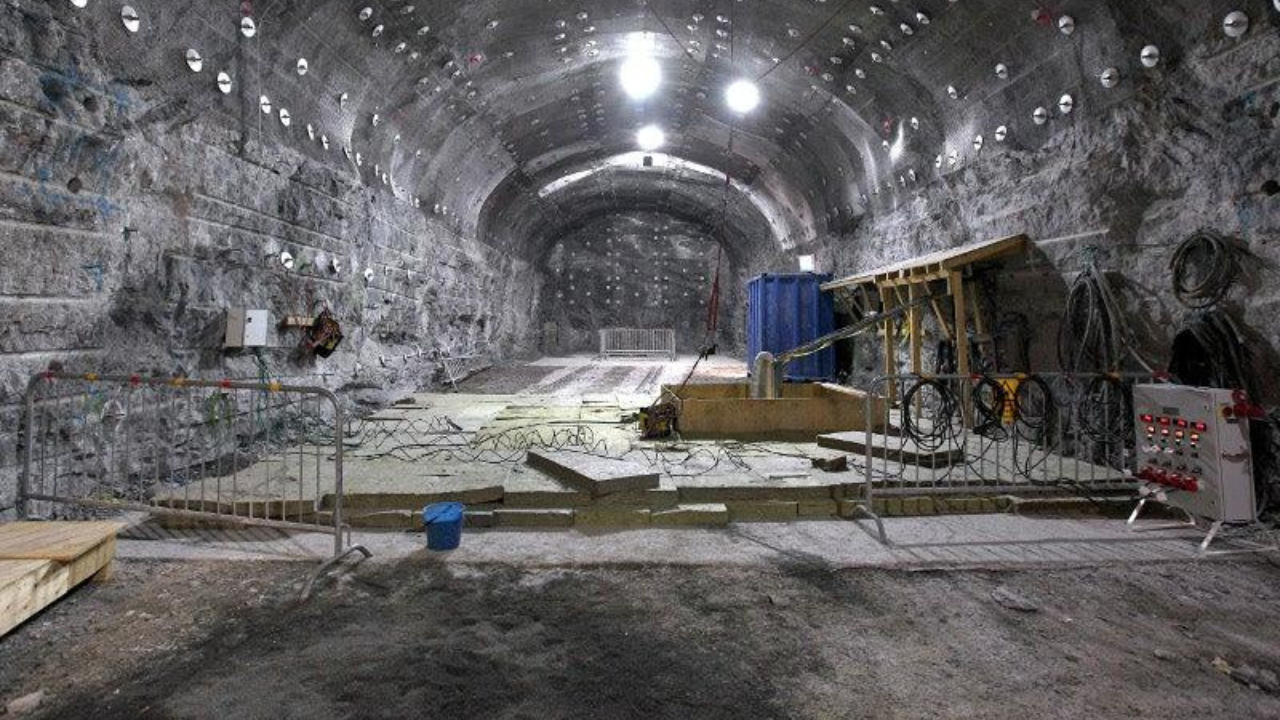
Finland has spent years building a massive network of tunnels deep inside solid granite bedrock. The facility is located on the island of Olkiluoto, which is already home to several nuclear reactors. The storage process uses a "multi-barrier" system. First, the radioactive waste is placed into cast-iron inserts. These are then sealed inside thick copper canisters. These canisters are lowered into the tunnels, surrounded by a special type of clay called bentonite, and finally sealed with heavy concrete plugs.
Important Numbers and Facts
The vault is located about 400 meters (roughly 1,300 feet) below the surface. This depth is necessary to protect the waste from changes on the surface, such as future ice ages or human activity. The facility is designed to hold waste for 100,000 years, which is how long it takes for the most dangerous radioactive materials to become safe. The project has cost billions of euros and required decades of geological research to ensure the rock would remain stable and dry for thousands of centuries.
Background and Context
Nuclear energy is a powerful tool for creating electricity without burning fossil fuels. However, the fuel used in these plants remains toxic for a very long time. Finding a place to put this fuel has been a global problem since the start of the nuclear age. Many countries have tried to build similar sites but faced technical failures or public protests. Finland succeeded by choosing a location with very old, stable rock and by working closely with the local community to build trust.
Public or Industry Reaction
The reaction to the Onkalo project has been largely positive, especially within the scientific community. Experts see it as a "proof of concept" that shows nuclear waste can be managed responsibly. In Finland, public support is surprisingly high. Unlike in other parts of the world, the people living near the site generally trust the government and the scientists involved. Other nations, including Sweden, Switzerland, and the United Kingdom, are now looking at Finland’s model to help design their own underground storage systems.
What This Means Going Forward
As the world tries to move away from coal and gas, nuclear energy is seeing a comeback. However, for nuclear power to grow, the public needs to know that the waste will not be a burden for future generations. If the Onkalo facility operates successfully, it will remove a major barrier to building new nuclear plants. The next steps involve the final testing of the machinery that will move the canisters into the tunnels. Once the first canisters are buried, the site will be monitored, but the goal is for it to eventually require no human maintenance at all.
Final Take
Finland has taken a bold step by becoming the first nation to turn a theoretical plan into a physical reality. The Onkalo vault proves that long-term environmental safety is possible when technical skill is combined with clear communication and political will. This project does more than just store waste; it provides a roadmap for the future of clean energy.
Frequently Asked Questions
Why is the waste buried so deep?
The waste is buried 400 meters underground to keep it away from the air, water, and living things. At this depth, the rock is very stable and will not be affected by weather changes, earthquakes, or human activities on the surface.
Is the storage site safe from leaks?
Yes, the site uses multiple layers of protection. The copper canisters are resistant to rust, the bentonite clay absorbs water and prevents movement, and the solid granite rock acts as a final natural wall to keep radiation contained.
Can the waste be taken out later?
The facility is designed for permanent storage, meaning the goal is to seal it forever. While it is technically possible to dig it back up with heavy equipment, the system is built so that the waste stays safe even if humans forget the site exists in the distant future.