
Summary
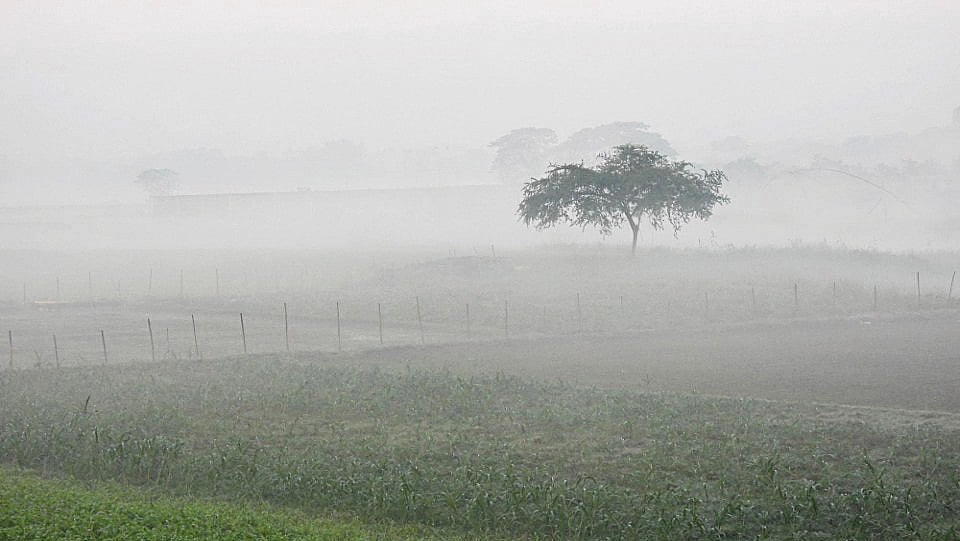
North India is experiencing a strange and worrying weather shift this March. Instead of the usual spring warmth, cities like Delhi and Lucknow have been covered in thick fog and sudden cold. This unseasonal weather has caused flight delays, damaged vital food crops, and raised serious concerns about climate change. Experts warn that these broken weather patterns are a sign of a growing environmental crisis that threatens both the economy and public health.
Main Impact
The most immediate effect of this weather is the disruption of daily life and the destruction of farming. The thick fog reduced visibility to zero in several areas, forcing airlines to move flights to different cities. More importantly, the sudden change from extreme heat to cold and damp fog is killing crops. Farmers who were preparing to harvest their wheat are now seeing their plants rot or catch diseases. This shift is not just a minor weather event; it is a direct hit to the food supply and the safety of the air people breathe.
Key Details
What Happened
In the first week of March, a heavy blanket of fog covered large parts of North India, including Delhi, Ghaziabad, and Kanpur. This is very unusual for this time of year, as March is normally when the sun helps wheat crops ripen. Instead of clear skies, residents had to pull out their winter clothes again. Along with the fog, sudden rain and hailstorms hit several regions, physically breaking the plants standing in the fields. The air became still and heavy, trapping pollution near the ground and making it difficult for people to see or breathe clearly.
Important Numbers and Facts
The data behind this weather shift is startling. Rainfall in January and February was down by about 60 percent compared to normal years. This left the soil very dry. In late February, temperatures jumped suddenly, with daytime heat reaching 8 to 12 degrees Celsius above the usual average. This record-breaking heat set the stage for the fog that followed. When the night temperatures finally dropped by six or seven degrees, the moisture in the air turned into a thick "radiation fog" that refused to clear away.
Background and Context
To understand why this is happening, we have to look at how air moves over India. Usually, "western disturbances" bring rain and snow to the mountains, which helps keep the plains cool and balanced. This year, those disturbances were very weak. Without them, the sun heated the ground much faster than usual in February. When moist winds from the Bay of Bengal blew in and hit this overheated ground at night, the air cooled quickly and created fog. Because there was no wind to blow it away, the fog stayed trapped, mixing with city smoke to create a toxic layer of smog.
Public or Industry Reaction
Weather experts and farming specialists are sounding the alarm. Scientists are calling this a "climate emergency" because the seasons no longer follow a predictable path. Agricultural experts are particularly worried about food security. They have noted that wheat is suffering from "yellow rust," a type of fungus that grows in humid, foggy conditions. Mango farmers are also reporting that their blossoms are falling off the trees due to the sudden cold and moisture. If these flowers die, there will be far fewer fruits to harvest later in the year. The transport industry is also feeling the pressure, as fuel is wasted when planes and trains are delayed for hours.
What This Means Going Forward
This event shows that climate change is no longer a distant threat; it is changing how we live right now. If these patterns continue, the way we grow food will have to change completely. There is a high risk that food prices will go up because of smaller harvests. Additionally, the health system may face more pressure as the "March fog" carries dangerous dust and gases that hurt the lungs of the elderly and children. Moving forward, cities will need better ways to track and manage air quality, and there must be a global effort to lower the carbon emissions that are causing these extreme temperature swings.
Final Take
The sight of winter fog in the middle of spring is a loud warning from nature. It shows that the balance of our environment is failing. We can no longer treat weather as just a daily update; it has become a matter of survival. Protecting our crops, our health, and our future will require making big changes to how we treat the planet and how we manage our local pollution. Without action, the seasons we once knew may disappear forever, leaving us with a world that is increasingly hard to predict.
Frequently Asked Questions
Why did fog appear in March?
The fog was caused by a mix of extreme heat in February and sudden moisture-laden winds. When the hot ground cooled down quickly at night, it created "radiation fog," which is usually only seen in the winter.
How does this weather affect food prices?
Unseasonal fog and rain damage crops like wheat and mangoes. When these crops are destroyed or their quality drops, there is less food available in the market, which often leads to higher prices for consumers.
Is the March fog dangerous for health?
Yes. Unlike normal mist, this fog traps pollution, dust, and toxic gases near the ground. Breathing this mixture can cause serious breathing problems, especially for people with asthma or other lung conditions.

