Summary
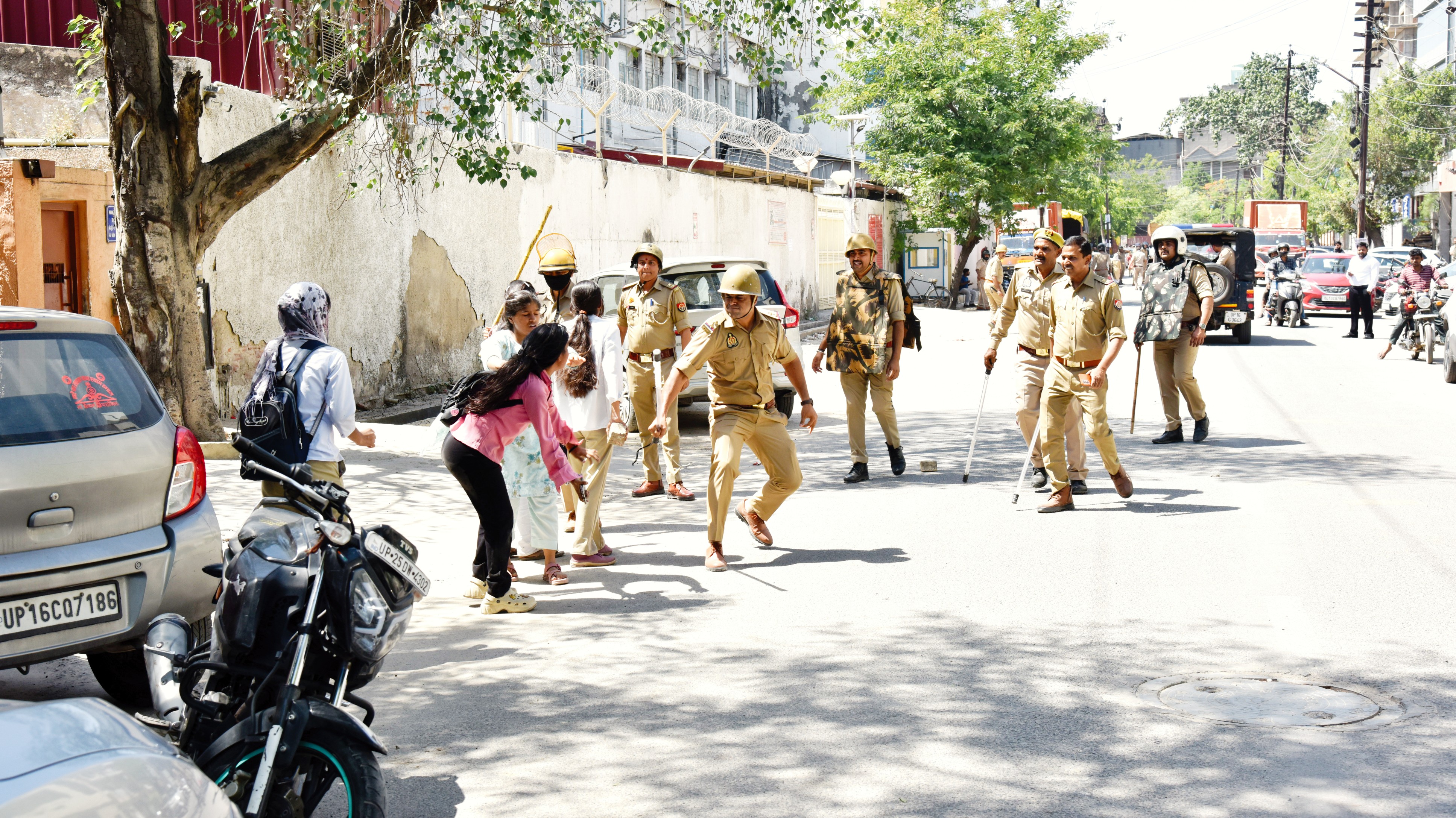
Recent protests by factory workers in Noida and Manesar have highlighted a growing economic crisis in India’s industrial hubs. While government officials and media outlets suggested foreign interference was behind the unrest, the reality points to years of financial pressure on the working class. Workers are facing a situation where their pay remains the same while the cost of housing and food continues to climb. This gap between earnings and living costs has created a breaking point for thousands of laborers.
Main Impact
The primary impact of this unrest is the exposure of a deep divide in India’s economy. While large corporations report record profits, the people working on the factory floors are seeing their purchasing power disappear. In cities like Noida, the cost of a simple rental room has doubled, but wages for unskilled workers have barely moved in over a decade. This economic pressure is not just a local issue; it reflects a national trend where the benefits of growth are not reaching the bottom of the workforce.
Key Details
What Happened
On April 13 and 14, 2026, factory workers in Noida’s industrial sectors took to the streets to protest their working conditions and low pay. The demonstrations quickly turned tense, leading to a heavy police presence and the deployment of the Rapid Action Force. Instead of addressing the economic complaints, some political leaders and television news channels claimed the protests were part of a conspiracy to stop the state's progress. However, the workers stated they were simply unable to survive on their current income.
Important Numbers and Facts
The data behind these protests shows a stark reality for the Indian workforce. Between 2004 and 2014, real wages in the informal sector grew by about 5% to 7% every year. Since 2014, that growth has almost completely stopped. For many unskilled factory workers, wages have only increased by about 3,000 rupees over the last 12 years. During that same time, rent for a basic room in Noida jumped from around 5,000 rupees to as much as 14,000 rupees. This means workers are spending nearly half of their monthly pay just to have a place to sleep.
Background and Context
To understand why these protests are happening now, it is important to look at how the economy has changed over the last twenty years. In the past, programs like rural employment schemes and a booming IT sector helped push wages higher across the board. Today, even the IT sector is struggling to provide better pay for new employees. Entry-level salaries in many technical fields have stayed the same for a decade. This has created a "wage trap" where people work longer hours but cannot afford a better life than they had ten years ago.
Public or Industry Reaction
The reaction to the protests has been split. Government officials in Uttar Pradesh and Haryana warned of "anti-social elements" trying to cause trouble. Many major news networks focused on the idea of a "foreign hand" or outside groups stirring up the workers. On the other side, labor experts and economists point to official government data to show that the workers' anger is based on real financial pain. They argue that the new labor codes, which allow for 12-hour shifts, have only added to the frustration of a workforce that feels ignored.
What This Means Going Forward
The long-term risk of this economic trend is a decline in social mobility. For decades, education was seen as the best way for a family to escape poverty. Now, the cost of education is rising by more than 10% each year, while the jobs available to graduates pay very little. Many families are taking on massive debt for degrees that do not lead to high-paying jobs. If education no longer provides a path to a better life, people may stop trying to move up and instead fall back into traditional, caste-based roles. This could slow down India's social and economic progress for generations.
Final Take
The fires in Noida and Manesar were not started by outside enemies, but by a decade of economic neglect. When people work 12 hours a day and still cannot afford rent or food, social unrest becomes a certainty. Addressing the gap between rising costs and flat wages is the only way to ensure long-term stability in India’s industrial heartlands.
Frequently Asked Questions
Why are workers in Noida and Manesar protesting?
Workers are protesting because their wages have stayed almost the same for ten years while the cost of rent, food, and basic living has doubled. They are also unhappy with new labor rules that require longer working hours.
Is education still a good investment in India?
For many, the return on education is becoming negative. High tuition costs and student loans are creating debt that starting salaries cannot easily pay off, leading some to question the value of expensive degrees.
How has rent changed in industrial cities?
In areas like Noida, rent for a basic room has increased from a range of 4,000–6,000 rupees in 2014 to between 8,000 and 14,000 rupees today, taking up a huge portion of a worker's monthly income.