
Summary
A factory worker in Noida has sparked a national conversation about the massive wealth gap in India. During recent protests, the worker shared his frustration over earning a low wage while his employers buy luxury cars. He pointed out that while he cannot afford a simple bicycle after months of work, the factory owners continue to buy expensive BMWs and homes. This story highlights a growing problem where the benefits of India's economic growth are not reaching the people who do the hard labor.
Main Impact
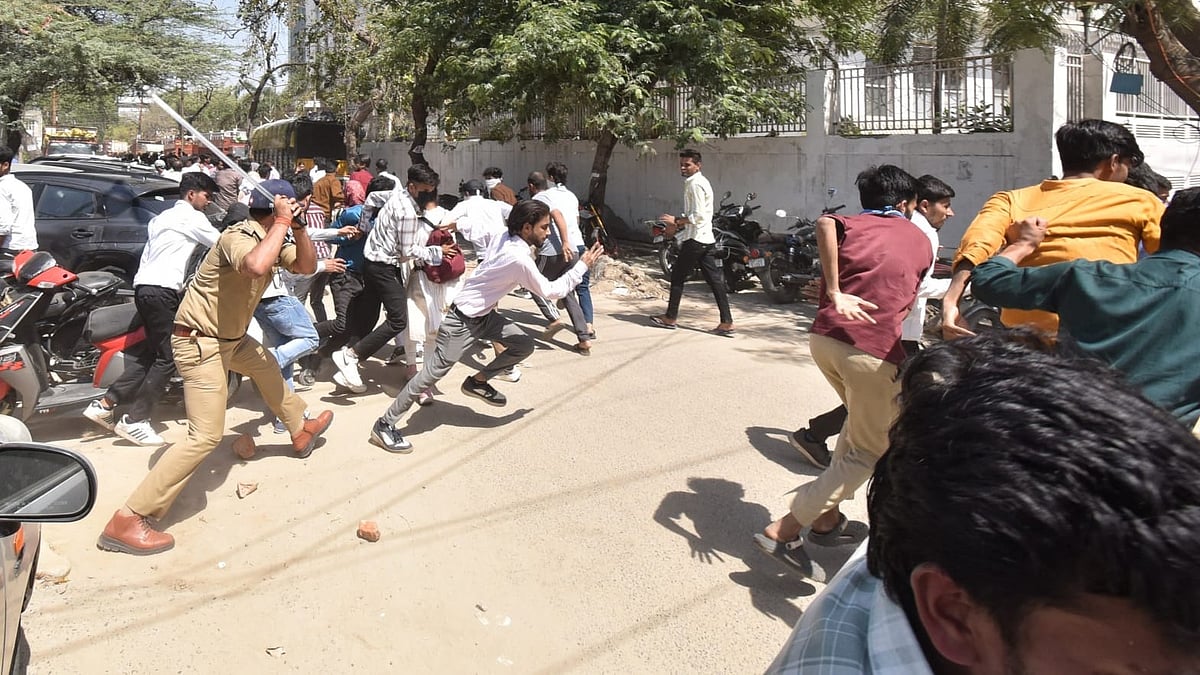
The main impact of this situation is the rising tension between workers and business owners. In Noida, these frustrations turned into violent protests that stopped daily life and forced the local government to step in. The worker's struggle shows that even though India's total wealth is increasing, the people at the bottom are feeling left behind. This creates a sense of unfairness that can lead to more strikes and social unrest across the country's industrial hubs.
Key Details
What Happened
In Noida Phase 2, factory workers gathered to protest against low pay and poor working conditions. One worker explained that his monthly salary is only 11,500 rupees. He mentioned that it is impossible to save enough money for a bicycle, which is a basic need for transport. At the same time, he claimed that company owners often tell workers the business is losing money, yet those same owners buy luxury cars and multi-crore houses. Other protesters reported receiving tiny pay raises, with some saying their monthly increment was as low as 29 rupees.
Important Numbers and Facts
Data from global organizations supports the worker's claims about inequality. The World Inequality Lab found that the richest 1% of people in India own more than 40% of the nation's total wealth. In contrast, the bottom 50% of the population holds only about 3% of the wealth. Another report by Oxfam shows that the top 10% of the population controls 77% of all wealth. Experts also note that inequality in India today is actually higher than it was during the time of British colonial rule.
Background and Context
This issue matters because it shows how the economy is working for different groups of people. Economists call this a "K-shaped" recovery. This means that while the wealthy are seeing their bank accounts and investments grow, the working class is struggling with the rising cost of living. Prices for basic items like cooking gas and vegetables have gone up, but wages for factory workers have stayed mostly the same. This makes it very hard for families to move out of poverty or even afford simple tools like a bicycle to get to work.
Public or Industry Reaction
The reaction to the Noida protests has been strong on social media and among economic experts. Videos of the workers' stories have gone viral, with many people expressing sympathy for their situation. Political groups have used these stories to criticize the government's economic policies. Famous economists, including former Reserve Bank of India (RBI) leaders, have warned that this gap is dangerous. They suggest that the current way the economy grows helps big companies more than it helps regular households. The RBI itself has noted that the returns on money and property are growing much faster than the wages paid for physical labor.
What This Means Going Forward
Going forward, the government and business leaders will face more pressure to raise minimum wages. If the gap between the rich and the poor continues to grow, there could be more frequent protests in manufacturing zones. Companies may need to be more transparent about their profits to build trust with their employees. For the workers, the next steps involve fighting for better dignity and fair pay. Without changes in how wealth is shared, the "dual reality" of India—where some buy BMWs while others cannot buy bicycles—will likely get worse.
Final Take
The words of the Noida worker serve as a powerful reminder that economic data is about real people. While high growth rates look good on paper, they mean very little to a person who cannot afford basic transportation after a full day of work. True economic success should be measured by how well the average worker can live, not just by how many luxury cars are sold to the wealthy. Addressing this imbalance is now one of the biggest challenges for India's future.
Frequently Asked Questions
Why are workers in Noida protesting?
Workers are protesting because their wages are too low to cover the rising cost of living. They are also angry that their pay stays the same while company owners show off great wealth.
How bad is wealth inequality in India?
It is very high. The richest 1% of Indians own about 40% of the country's wealth, which is a higher level of inequality than what was seen during the British Raj.
What is a K-shaped recovery?
A K-shaped recovery happens when one part of the economy (the wealthy) gets richer quickly, while another part (the workers and the poor) sees their financial situation get worse or stay the same.

