Summary
The Indian Federation of Trade Unions (IFTU) has raised serious concerns over the actions of the Noida police following recent industrial protests. The labor group claims that the police are treating normal union activities as criminal acts, which they say violates the fundamental rights of workers. This dispute comes after a period of unrest in Noida’s industrial areas, where workers have been demanding better pay and fairer working conditions.
Main Impact
The primary concern involves a court order that allows police to search the personal electronic devices of labor activists. The IFTU argues that this move sets a dangerous precedent by allowing the government to monitor private conversations between union leaders and workers. They believe this action is intended to scare workers and stop them from organizing or asking for their legal rights. By labeling these activities as part of a criminal investigation, the police may be making it harder for unions to function openly in one of India’s largest industrial zones.
Key Details
What Happened
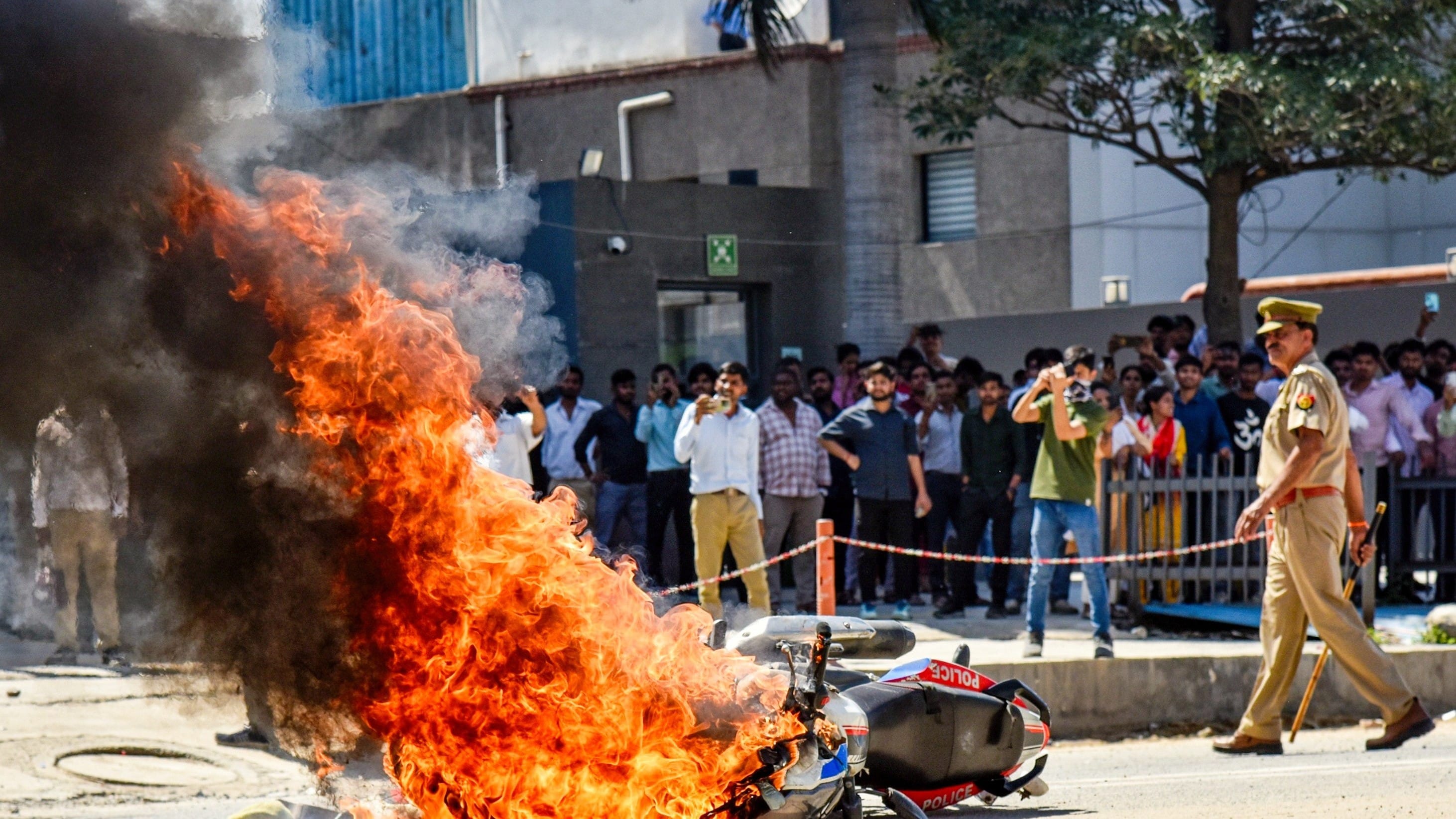
On April 13, 2026, thousands of factory workers in Noida held a large protest to demand higher wages and fixed working hours. During these demonstrations, reports of violence emerged, including damage to vehicles and stone-pelting. In response, the police took strong action to restore order. However, the IFTU claims the police are now using the investigation into that violence as an excuse to target peaceful activists who were simply helping workers understand their rights.
Important Numbers and Facts
The scale of the police response and the government's subsequent actions involve several key figures:
- Police arrested between 350 and 396 individuals following the April 13 unrest.
- A local court granted police access to the mobile phones of three specific activists: Satyem, Aditya Anand, and Himanshu Thakur.
- Under pressure from the protests, the state government released over ₹1 crore in unpaid wages to workers.
- An interim wage increase of ₹2,000 was announced for those earning minimum wage.
- Authorities took legal action against 50 labor contractors, canceling the licenses of 10 and blacklisting others for failing to follow labor laws.
Background and Context
Noida is a major industrial center located near Delhi. It is home to about 15,000 registered business units, ranging from small workshops to massive international factories. These businesses employ roughly 400,000 workers. Because so many people work in these factories, the area is a vital part of the regional economy. When workers feel they are not being paid fairly or treated well, it can lead to large-scale protests that affect the entire city.
The Indian Constitution gives every citizen the right to form unions and protest peacefully. These rights allow workers to engage in "collective bargaining," which is a simple way of saying they can negotiate with their bosses as a group rather than as individuals. The IFTU argues that the current police actions ignore these long-standing legal protections.
Public or Industry Reaction
The IFTU has been very vocal in its criticism of both the police and the central government. They claim that new national labor laws, known as the Four Labour Codes, are designed to make it harder for unions to protect workers. They believe the Noida police are following this new government strategy to weaken the power of labor groups.
On the other side, the local government has tried to balance the situation by punishing bad contractors and raising wages. However, the police have also taken steps to prevent future protests by creating a special "industrial cell." This new police unit is led by a high-ranking officer and is specifically tasked with managing affairs within the industrial zones to ensure that protests do not turn violent again.
What This Means Going Forward
The situation in Noida is likely to remain tense as the legal battle over the activists' phones continues. If the police are allowed to continue using digital surveillance on union leaders, other labor groups across India may face similar pressure. The IFTU is demanding that all charges against the protesters be dropped and that the government set a national minimum wage of ₹30,000 per month.
The creation of the new industrial police cell suggests that the authorities plan to keep a very close watch on factory zones. While this might prevent violence, labor advocates worry it will also prevent workers from speaking up about poor conditions. The outcome of this conflict will likely influence how labor disputes are handled in other industrial cities across the country.
Final Take
The conflict in Noida highlights a difficult struggle between maintaining public order and protecting the constitutional rights of workers. While the government has made some efforts to address wage complaints, the move to monitor activists' private data has created a deep sense of mistrust. For a healthy industrial economy, there must be a balance where workers can safely demand fair treatment without fear of being treated like criminals.
Frequently Asked Questions
Why did the workers in Noida protest?
Workers protested primarily to demand higher minimum wages, fixed working hours, and the payment of wages that had been withheld by contractors.
What is the IFTU's main complaint against the police?
The IFTU claims the police are criminalizing legal union activities and violating privacy rights by accessing the mobile phones of labor activists under the guise of a criminal investigation.
What has the government done to help the workers?
The government ensured the payment of over ₹1 crore in back wages, announced a ₹2,000 interim pay hike, and punished several contractors who broke labor laws.