
Summary
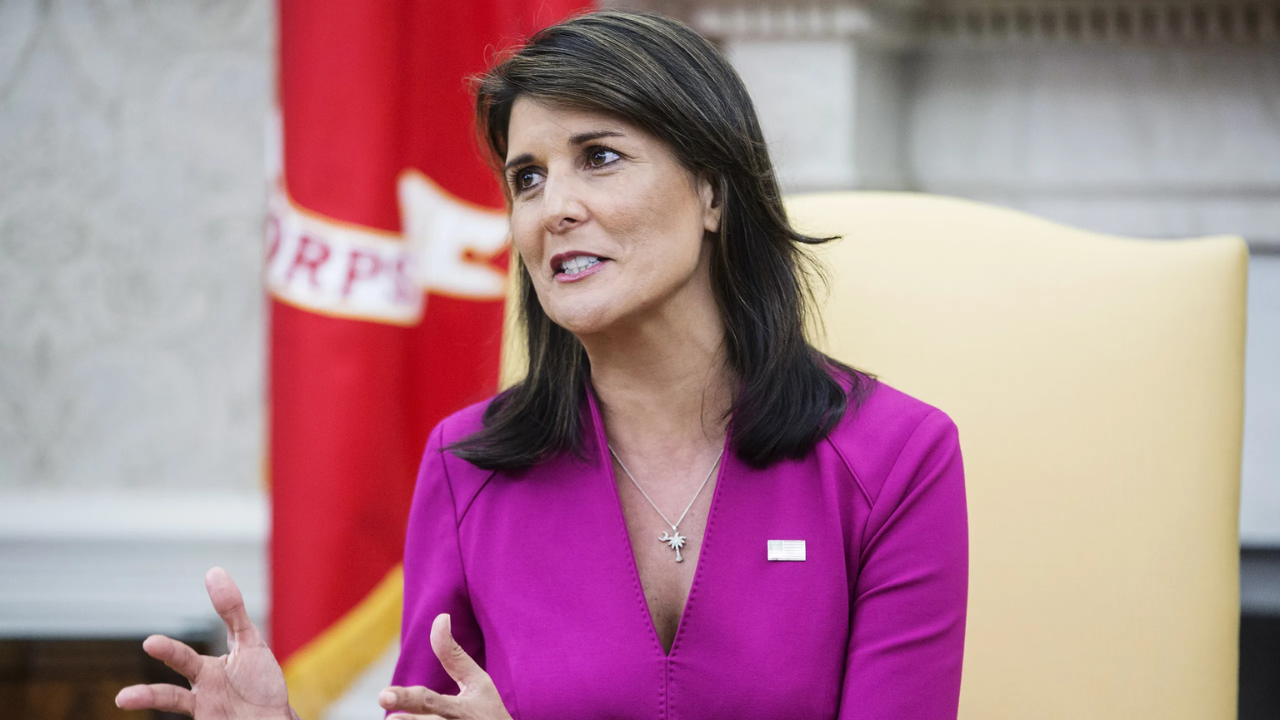
Former UN Ambassador Nikki Haley has stated that the United States will likely need to use special forces to deal with Iran’s nuclear materials. She suggested that diplomatic talks and economic sanctions might not be enough to stop Iran from developing a nuclear weapon. Haley believes that physical intervention may be the only way to ensure that Iran’s uranium supplies are secured or removed. This statement marks a significant call for a more aggressive military approach toward Iran’s nuclear program.
Main Impact
The primary impact of these comments is a shift in the public conversation regarding how to handle Iran. For years, the focus has been on international deals and trade restrictions. By suggesting the use of elite military units, Haley is pushing for a strategy that involves direct action. This could lead to more intense debates among lawmakers about the risks and benefits of using force. It also sends a signal to international partners and rivals that some American leaders are considering military options more seriously than before.
Key Details
What Happened
During a recent discussion on foreign policy, Nikki Haley addressed the growing concerns over Iran’s nuclear capabilities. She argued that the current methods of stopping Iran are failing. According to Haley, the U.S. must be prepared for the reality that special operations teams might have to enter the country. Their mission would be to take control of or destroy the uranium that Iran has been enriching. She emphasized that the goal is to prevent a nuclear-armed Iran at any cost, suggesting that the time for talk may be running out.
Important Numbers and Facts
Iran has been steadily increasing its stockpile of enriched uranium over the last few years. Reports from international monitors show that Iran has enriched uranium to levels very close to what is needed for a nuclear bomb. While the 2015 nuclear deal limited enrichment to 3.67%, recent data suggests Iran has reached levels as high as 60% or more at certain facilities. Additionally, the number of advanced centrifuges—machines used to process uranium—has grown significantly. These facts provide the backdrop for Haley’s argument that the situation has reached a critical point where standard diplomacy may no longer work.
Background and Context
To understand why this matters, it is important to know what uranium enrichment is. Uranium is a natural element that can be used for nuclear power or nuclear weapons. To make a weapon, the uranium must be "enriched" to a very high level. The world has been worried about Iran doing this for decades. In 2015, several countries signed a deal with Iran to limit its nuclear work in exchange for lifting economic punishments. However, the U.S. left that deal in 2018, and since then, Iran has stopped following many of the rules. This has created a tense situation where many fear Iran is close to having the materials needed for a bomb.
Public or Industry Reaction
Haley’s comments have sparked a wide range of reactions. Some military experts warn that sending special forces into Iran would be extremely dangerous. Iran has heavily defended its nuclear sites, often building them deep underground or inside mountains. Critics argue that such a move could start a major war in the Middle East. On the other hand, some political figures agree with Haley, stating that a nuclear Iran is a much bigger threat than a military mission. They believe that showing strength is the only way to deter Iran’s leaders. International leaders have generally remained cautious, continuing to call for a return to diplomatic negotiations to avoid a military conflict.
What This Means Going Forward
Looking ahead, this statement could influence the foreign policy platforms of future political campaigns. It puts pressure on the current administration to show more progress in their dealings with Iran. If the U.S. moves closer to a military strategy, we might see more training exercises involving special operations units focused on these types of missions. There is also a risk that Iran might respond to this rhetoric by speeding up its nuclear program or increasing its own military readiness. The next few months will be vital as international inspectors try to gain more access to Iranian sites to see exactly how much uranium has been produced.
Final Take
The suggestion to use special forces represents a high-stakes approach to a long-standing global problem. While the risks of military action are high, the fear of a nuclear-armed Iran continues to drive leaders toward considering extreme measures. Whether this remains just a talking point or becomes a real plan depends on how Iran acts and how much support this idea gains in Washington. For now, it serves as a reminder that the window for a peaceful solution is viewed by some as closing quickly.
Frequently Asked Questions
Why is uranium enrichment a concern?
Uranium enrichment is the process needed to create fuel for nuclear reactors or material for nuclear weapons. High levels of enrichment are a sign that a country may be trying to build a bomb rather than just producing electricity.
What are special forces?
Special forces are highly trained, elite military units that carry out specific, often secret, missions. They are used for tasks that regular military groups cannot do, such as precision raids or seizing sensitive materials in hostile areas.
Has the U.S. used force against Iran's nuclear program before?
The U.S. has used cyberattacks and economic sanctions to slow down Iran's progress, but it has not officially sent ground troops or special forces into Iran to take nuclear materials. Most actions so far have been focused on pressure and diplomacy.

