
Summary
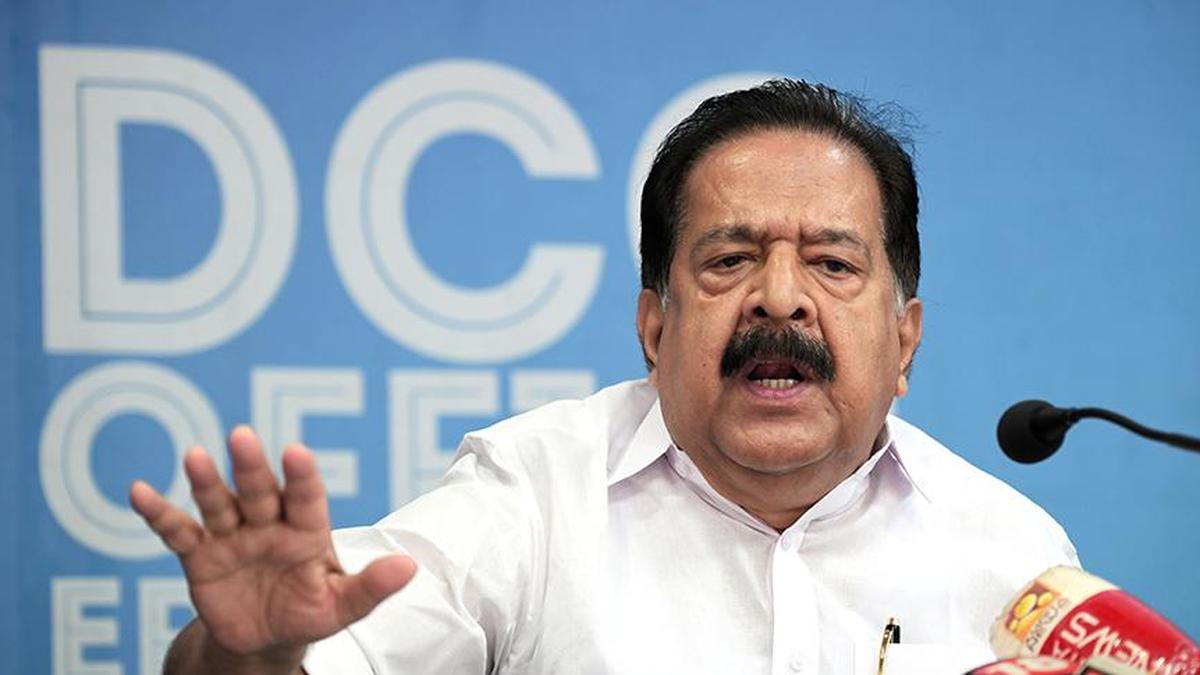
Ramesh Chennithala, a veteran leader of the Congress party in Kerala, has called for an immediate halt to public discussions regarding the next Chief Minister. He emphasized that the decision on who will lead the state, should the United Democratic Front (UDF) win, rests entirely with the party's central leadership in New Delhi. Chennithala warned that ongoing rumors and public debates about leadership roles are damaging the spirit of party workers and could hurt their chances in future elections.
Main Impact
The primary concern raised by Chennithala is the internal discipline of the Congress party. When senior leaders or their supporters openly discuss who will take the top government post before an election is even won, it creates confusion and division. This type of talk can split the party into different camps, each supporting a different person. Chennithala believes that this lack of unity makes it harder for the party to present a strong front against its political opponents. By speaking out, he hopes to refocus the party's energy on winning the trust of the voters rather than fighting over positions of power.
Key Details
What Happened
The current debate started after K. Sudhakaran, the president of the Kerala Pradesh Congress Committee (KPCC), made positive remarks about K.C. Venugopal. Venugopal is a high-ranking leader who works closely with the national leadership. These comments were seen by many as a sign that Venugopal might be the preferred choice for Chief Minister if the UDF returns to power. This led to a wave of guesses and news reports about a shift in the state's political leadership. Ramesh Chennithala, seeing the potential for trouble, stepped in to remind everyone that no such decision has been made and that the public should not be misled by these personal opinions.
Important Numbers and Facts
The Congress party follows a strict tradition when it comes to choosing a leader for the state. First, the party must win a majority in the state assembly elections. Once the elections are over, the newly elected members of the Legislative Assembly (MLAs) hold a meeting. They share their views with observers sent by the central leadership, often called the "High Command." Only after this process is complete does the party announce the name of the Chief Minister. Chennithala pointed out that jumping ahead of this process is not how the party operates and only serves to distract from the main goal of winning the election.
Background and Context
Kerala politics is a constant battle between two major groups: the Left Democratic Front (LDF), which is currently in power, and the United Democratic Front (UDF), led by the Congress party. For many years, these two groups have taken turns governing the state. However, the LDF managed to win two consecutive terms, which has put a lot of pressure on the Congress party to perform well in the next election. Ramesh Chennithala has been a major figure in Kerala for a long time, having served as the state's Home Minister and the Leader of the Opposition. He understands that internal fights are often the biggest reason why a party loses an election. His call for silence on the leadership issue is a move to keep the party stable during a critical time.
Public or Industry Reaction
The reaction within the party has been mixed. While some supporters of specific leaders continue to push their favorites on social media, many grassroots workers have welcomed Chennithala’s statement. These workers often feel that leadership battles at the top make their jobs harder when they are trying to talk to voters. Political experts in the state also noted that Chennithala’s comments are a way to maintain his own relevance and ensure that the party does not lean too heavily toward one person too early. The general feeling among political observers is that the Congress party needs to show a united face if they want to convince the public that they are ready to lead the state again.
What This Means Going Forward
In the coming months, the Congress party will likely try to keep its internal discussions more private. Leaders will be expected to focus on the problems facing the state and the failures of the current government instead of talking about their own career goals. If the party can follow Chennithala’s advice, they might be able to build a more cohesive campaign. However, if the rumors continue, it could lead to more public disagreements, which would be a gift to their political rivals. The next few months will show whether the party leaders can put their personal interests aside for the sake of the organization.
Final Take
Winning an election requires more than just good policies; it requires a team that works together. Ramesh Chennithala’s message is a clear reminder that the party’s strength comes from its workers and its established rules. By waiting for the central leadership to make the final call, the party avoids unnecessary conflict and stays focused on the most important task: serving the people of Kerala. The focus must remain on the victory itself, as the prize of leadership cannot be shared until the race is won.
Frequently Asked Questions
Who is the "High Command" in the Congress party?
The High Command refers to the top national leaders of the Congress party in New Delhi, including the party president and other senior members who make major decisions for the organization.
Why is the Chief Minister candidate not named before the election?
The party often prefers to wait until after the election to see which leaders have the most support from the newly elected MLAs. This helps prevent internal jealousy and keeps all leaders working hard during the campaign.
What is the UDF in Kerala?
The United Democratic Front (UDF) is a group of political parties in Kerala led by the Indian National Congress. They work together to contest elections against the rival LDF group.



