
Summary
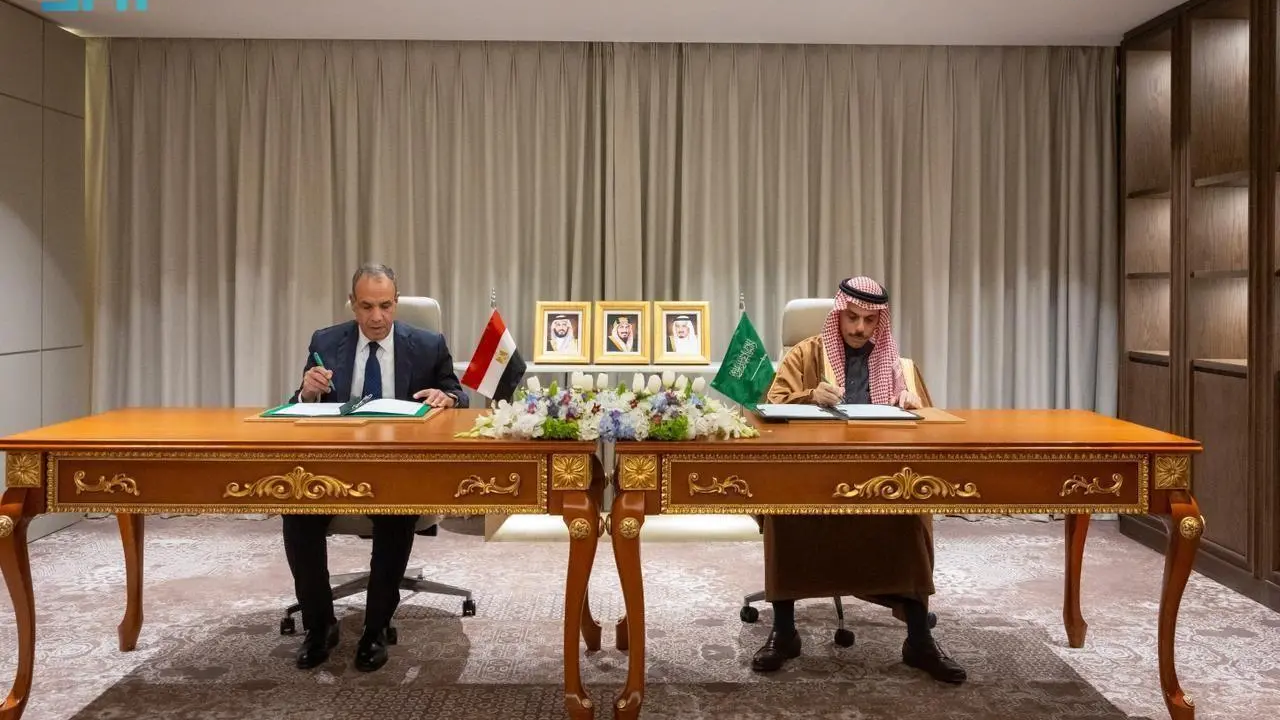
Saudi Arabia and Egypt have officially signed an agreement to remove visa requirements for government officials traveling between the two countries. This new deal specifically applies to individuals who hold official passports and are traveling for short-term stays. The goal of this change is to make it easier for representatives from both nations to meet and work together without the delay of traditional travel paperwork. By simplifying these rules, both countries hope to strengthen their long-standing partnership and improve how they communicate on important regional issues.
Main Impact
The most immediate effect of this agreement is the removal of administrative hurdles for diplomats and state employees. In the past, even high-ranking officials had to go through specific application processes to secure entry for short visits. Now, those with official passports can travel more freely. This change is expected to speed up the pace of government work, allowing for faster responses to regional events and more frequent face-to-face meetings between leaders and department heads. It signals a high level of trust and a desire to act as a unified front in the Middle East.
Key Details
What Happened
Representatives from the Kingdom of Saudi Arabia and the Arab Republic of Egypt met to finalize a deal that waives short-stay visa rules. This agreement is focused on "official passport holders," a group that includes government workers, diplomats, and institutional representatives. The move is part of a broader effort to modernize how these two nations interact. Instead of waiting days or weeks for travel permission, these officials can now move between Cairo and Riyadh with much greater ease.
Important Numbers and Facts
While the specific number of people affected was not listed, the deal covers all short-term stays for those on government business. This follows a trend of increasing cooperation between the two nations. In recent years, Saudi Arabia has become one of the largest investors in the Egyptian economy, and millions of Egyptian citizens live and work in the Kingdom. This visa waiver is a technical step that matches the growing economic and political ties that already exist between the two neighbors.
Background and Context
Saudi Arabia and Egypt are often seen as the two most influential countries in the Arab world. Their relationship is built on decades of shared history, security needs, and economic interests. Egypt has a large population and a strong military, while Saudi Arabia has vast energy resources and significant financial influence. Together, they play a major role in keeping the region stable. In simple terms, when these two countries work well together, the entire region tends to be more secure.
Official passports are different from the regular passports used by tourists. They are given to people who travel to represent their government. By removing the visa requirement for these specific travelers, the two governments are making it clear that they want their staff to talk more often. This is especially important for managing trade routes in the Red Sea and coordinating on security matters that affect both nations.
Public or Industry Reaction
Political experts and industry leaders have viewed this move as a positive sign for regional business and diplomacy. Many see it as a logical step following other recent agreements regarding trade and investment. While the general public is not directly affected by this specific visa waiver, many believe it could lead to easier travel rules for business owners and tourists in the future. The reaction from government departments has been one of support, as it reduces the workload for embassy staff who previously had to process these official applications.
What This Means Going Forward
Looking ahead, this agreement could be the first of many steps to make the border between Saudi Arabia and Egypt more "open" for professional exchange. We may see an increase in joint government committees and more frequent visits from technical experts who help run infrastructure and energy projects. There is also a possibility that this will encourage other countries in the region to sign similar deals, creating a network of easier travel for officials across the Middle East. For now, the focus remains on making sure that the two governments can talk to each other as quickly and easily as possible.
Final Take
This agreement is a practical solution to a common problem in international relations. By cutting out the need for short-stay visas for officials, Saudi Arabia and Egypt are choosing efficiency over bureaucracy. It shows that both nations value their partnership and want to remove any small obstacles that might slow down their cooperation. As they continue to work together on big projects, having a simpler way for their people to meet will be a major advantage.
Frequently Asked Questions
Does this mean regular tourists do not need a visa?
No, this agreement only applies to people who hold official or diplomatic passports. Regular citizens traveling for tourism or personal business still need to follow the standard visa rules for both countries.
What is an official passport?
An official passport is a special type of travel document issued to government employees. It is used when they are traveling abroad on behalf of their country to conduct state business or attend meetings.
How long can officials stay under this new rule?
The agreement covers "short-stay" visits. While the exact number of days can vary based on specific regulations, it generally refers to trips lasting a few weeks for meetings, conferences, or temporary government assignments.

