
Summary
The Indian government recently increased the price of domestic cooking gas (LPG) by 60 rupees per cylinder. This move has caused a strong political reaction from the Congress party, which blames the price hike on the government's foreign policy choices. As tensions grow in West Asia, the cost of energy is rising globally, and Indian households are now feeling the direct impact on their monthly budgets. This price change comes at a time when many families are already struggling with the rising cost of living.
Main Impact
The most immediate impact of this decision is the increased financial pressure on millions of Indian homes. Cooking gas is a basic necessity, and a price hike of 60 rupees is a significant blow to lower and middle-income families. Beyond the kitchen, higher energy costs often lead to a chain reaction where the prices of other goods and services also go up. This adds to the overall inflation in the country, making it harder for people to save money or afford other essential items.
Key Details
What Happened
On Saturday, the price of a standard 14.2 kg non-subsidized LPG cylinder was raised. This is the second time in less than a year that the government has increased these prices. The hike is linked to the growing conflict in West Asia, which has made global energy markets very unstable. While domestic gas saw a 60-rupee increase, commercial gas cylinders used by businesses saw an even larger jump of 115 rupees.
Important Numbers and Facts
In Delhi, the price of a domestic LPG cylinder has moved from 853 rupees to 913 rupees. This data comes directly from the Indian Oil Corporation. India is the third-largest consumer of energy in the world, which means any change in global oil and gas prices has a massive effect on the national economy. The current crisis involving Iran, Israel, and the United States is the primary reason cited for the sudden change in global fuel rates.
Background and Context
India relies heavily on other countries for its energy needs. A large portion of the oil and gas used in India comes from the Gulf region. To reach India, many ships must pass through a narrow water path called the Strait of Hormuz. This area is currently very dangerous due to military conflicts. If this path is blocked or if shipping becomes too risky, the supply of gas drops and the price goes up. The government had previously suggested that India’s energy supply was safe, but the recent price hike suggests that the global situation is more difficult than expected.
Public or Industry Reaction
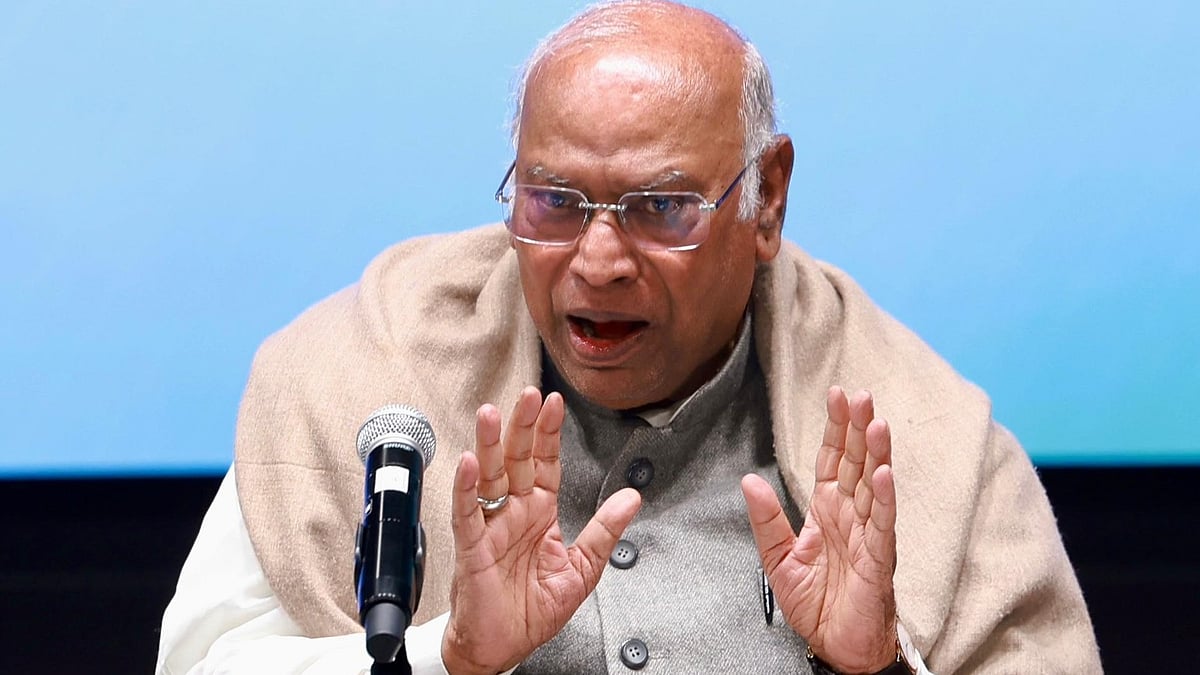
The Congress party has been very vocal in its criticism. Party president Mallikarjun Kharge stated that the government is burdening the public instead of helping them. He argued that when international oil prices were low in the past, the government did not lower prices for the people. Now that prices are rising, the government is passing the cost directly to the citizens. Congress spokesperson Supriya Shrinate also pointed out that the government's earlier promises about energy security seem to have failed.
In Delhi, the Mahila Congress held a protest rally. They called the price hike "anti-people" and demanded that the government cancel the increase immediately. They highlighted that women, who often manage the household budget, are the ones most affected by the rising cost of cooking gas.
What This Means Going Forward
There are concerns that this is only the beginning of a larger trend. While the government has stated that there are no current plans to raise the prices of petrol and diesel, many experts are worried. If the conflict in West Asia lasts for a long time, it will be hard for state-owned oil companies to keep prices steady. The government claims these companies have enough money to absorb some costs for now, but this might change if global prices stay high. For the average citizen, this means they should prepare for a period of higher expenses and potential price increases in other sectors of the economy.
Final Take
The hike in LPG prices highlights how closely the Indian economy is tied to global politics. While the government points to international conflicts as the cause, the opposition sees it as a failure to protect the public from global market swings. As the cost of a basic cylinder crosses the 900-rupee mark, the focus remains on how the government will manage energy security without further hurting the pockets of common citizens.
Frequently Asked Questions
How much did the price of a domestic LPG cylinder increase?
The price of a domestic LPG cylinder increased by 60 rupees. In Delhi, the new price is 913 rupees, up from the previous price of 853 rupees.
Why are cooking gas prices going up in India?
Prices are rising because of a surge in global energy costs. This is mainly caused by the ongoing conflict in West Asia, which affects the supply and cost of oil and gas worldwide.
Will petrol and diesel prices also increase soon?
The government has stated that there are currently no plans to increase petrol and diesel prices. They believe oil companies can handle the current market changes without passing the cost to drivers for now.

