Summary
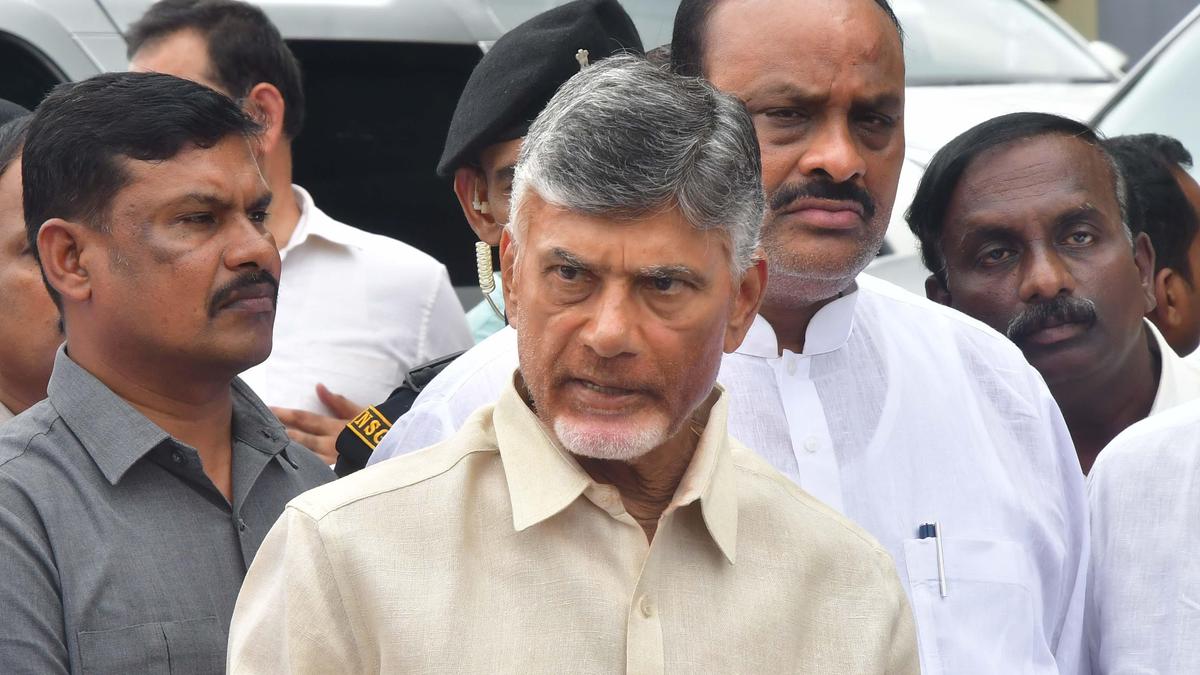
Andhra Pradesh Chief Minister N. Chandra Babu Naidu has started a major national campaign to criticize Opposition parties for blocking a new law. The law was a Constitution Amendment Bill designed to change how many seats are in the Lok Sabha, India's main legislative body. Mr. Naidu described the day the bill was defeated as a dark moment for the country's politics. He argues that the Opposition has stopped a move that would have helped the nation grow and stay balanced.
Main Impact
The failure of this bill has created a deep divide between the central government and the Opposition. By stopping the amendment, the Opposition has put a halt to the government's plan to increase the number of members in Parliament. This decision affects how different regions of India are represented in the government. While the government says the change was meant to be fair for everyone, the Opposition fears it would hurt the political power of smaller states and those in the South and North East.
Key Details
What Happened
On April 17, a vote was held on a Constitution Amendment Bill. This bill was a key part of the government's plan to update the number of seats in the Lok Sabha. Prime Minister Narendra Modi had promised that the increase in seats would be handled fairly across all parts of the country. However, when it came time to vote, the Opposition parties joined together to defeat the bill. They argued that the new rules would give too much power to states with very large populations while leaving others behind.
Important Numbers and Facts
The event took place on April 17, which Mr. Naidu has now labeled a "black day" in Indian history. The main goal of the bill was to expand the Lok Sabha, which currently has 543 elected members. The government wanted to increase this number to reflect the current population of the country. The Opposition's main concern was that states in South India and the North East, which have been successful in controlling their population growth, would end up with less influence compared to fast-growing states in the North.
Background and Context
In India, the number of seats each state gets in Parliament is usually based on its population. Many years ago, the government decided to freeze the number of seats so that states would not be punished for having successful family planning programs. If the number of seats is updated today based only on population, states that have grown very fast would get many more seats. States that have worked hard to keep their population stable would get fewer seats in comparison.
This topic is very sensitive because it involves the balance of power. The South and North East regions of India have unique cultures and needs. Leaders in these areas worry that if their seat count does not grow at the same rate as others, their voices will not be heard in the national government. The government tried to fix this by promising an "equal increase," but the Opposition did not believe the plan was safe enough for smaller states.
Public or Industry Reaction
Chief Minister N. Chandra Babu Naidu has been very vocal about his disappointment. He believes the Opposition is acting against the interests of the nation. By launching a national campaign, he hopes to show the public that the government's plan was intended to be fair. On the other side, Opposition leaders have defended their choice. They say they are protecting the rights of states that have followed national goals for population control. They believe the bill was rushed and did not have enough protections for smaller regions.
What This Means Going Forward
The defeat of the bill means that the plan to increase Lok Sabha seats is now on hold. This will likely lead to more protests and debates across the country. The government may try to bring a new version of the bill later, but they will need to find a way to win over some of the Opposition members. If they cannot reach an agreement, the current number of seats will stay the same for now. This delay could affect how future elections are run and how new government policies are decided.
Final Take
The clash over the Constitution Amendment Bill shows how difficult it is to balance the needs of a large and diverse country like India. While the government wants to update the system to reflect the modern population, the Opposition is focused on protecting regional fairness. This debate is not just about numbers; it is about making sure every part of the country feels it has a fair say in how India is governed. The national campaign by Mr. Naidu ensures that this issue will remain a top priority for voters in the coming months.
Frequently Asked Questions
Why did the Opposition defeat the bill?
The Opposition was worried that the bill would reduce the political power of South Indian and North Eastern states. They feared that states with larger populations would get too many seats, leaving smaller states with less influence.
What did Prime Minister Modi promise?
The Prime Minister promised that the increase in Lok Sabha seats would be equal across all regions. He aimed to ensure that no state would lose its relative standing or power because of the changes.
What is a "black day" in this context?
Chief Minister N. Chandra Babu Naidu used the term "black day" to describe April 17. He used this phrase to show his strong disapproval of the Opposition's choice to block the bill, calling it a sad day for Indian democracy.