Summary
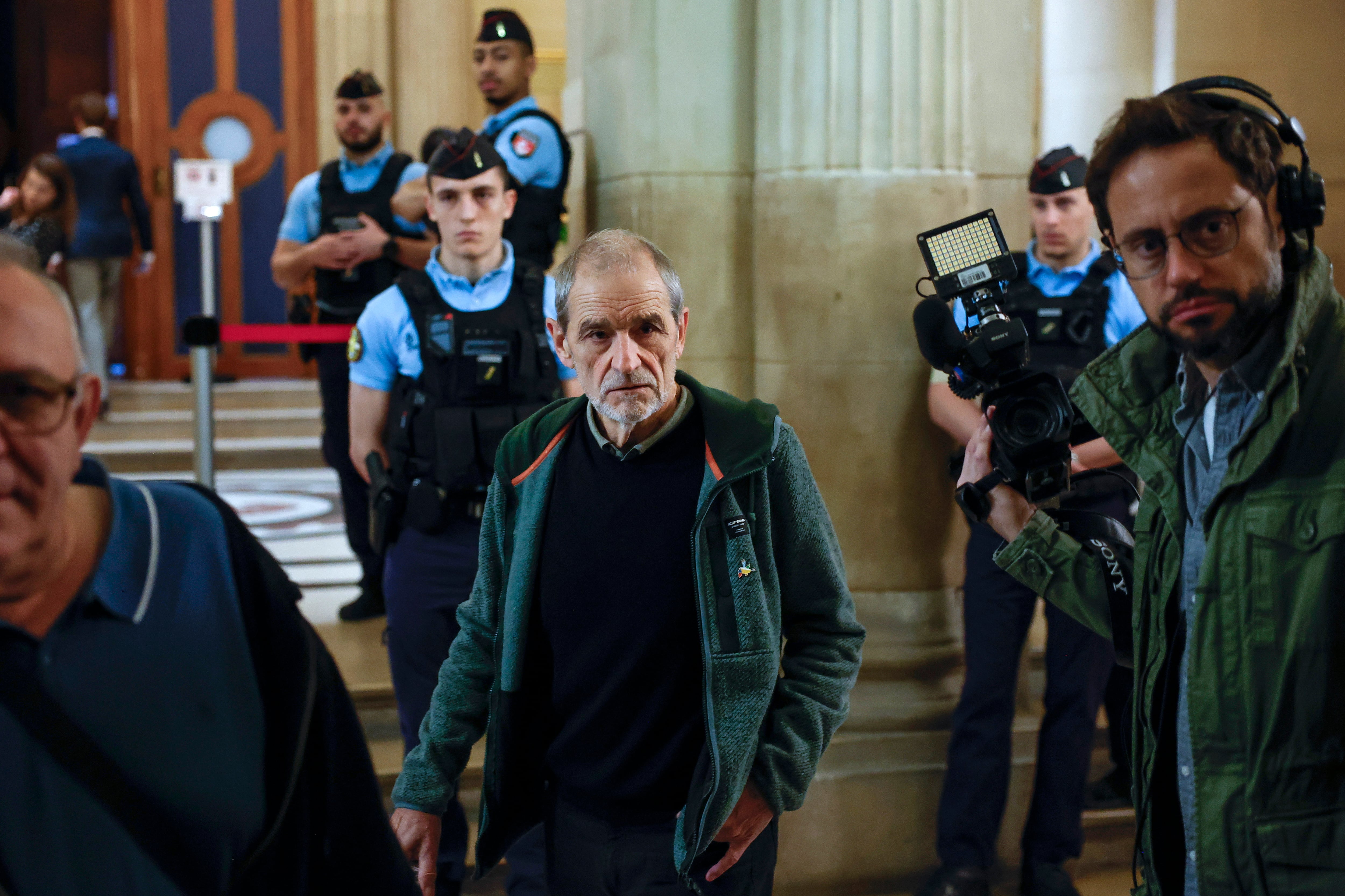
French prosecutors have requested a five-year suspended prison sentence for José Antonio Urrutikoetxea, better known as Josu Ternera. The former leader of the terrorist group ETA faced a Paris appeals court regarding his activities between 2002 and 2005. While the prosecution is not seeking immediate jail time, they have asked for a permanent ban on him staying in France. This legal move is significant because it could force Ternera to return to Spain, where he faces much more serious criminal charges.
Main Impact
The primary impact of this request is the potential end of Ternera’s long-term stay in France. For years, the former ETA leader has used the French legal system to avoid being sent back to Spain. If the court agrees to ban him from French territory, his legal protection would effectively disappear. This would likely lead to his transfer to Spanish authorities, who have been trying to put him on trial for decades for his alleged role in various attacks.
Key Details
What Happened
During the court hearing in Paris, the public prosecutor explained the reasons for the requested sentence. The prosecution acknowledged that Ternera was a member of ETA during the early 2000s. However, they also noted that his role during that specific time was focused more on peace negotiations rather than planning violent attacks. Because of this, they suggested a suspended sentence, which means he would not have to go to prison unless he breaks the law again. The most critical part of the request, however, is the demand that he be removed from France forever.
Important Numbers and Facts
The case focuses on a specific three-year window from 2002 to 2005. During this time, Ternera was in hiding but was also involved in secret talks to end the conflict in the Basque Country. Ternera was eventually arrested in May 2019 in the French Alps after being a fugitive for 17 years. He is currently 75 years old. In Spain, he is wanted for several crimes, including the 1987 bombing of a Civil Guard barracks in Zaragoza, which resulted in 11 deaths, including five children.
Background and Context
To understand why this case matters, it is important to know who ETA was. ETA was an armed group that used violence for decades to try to create an independent state in the Basque region of northern Spain and southwest France. Over its history, the group killed more than 800 people and injured thousands more. Josu Ternera was one of its most influential leaders for a long time.
In the later years of the conflict, Ternera shifted his focus. He became a key figure in the talks that eventually led to ETA giving up its weapons and dissolving completely in 2018. Because he helped end the violence, some people view him as a diplomat. However, many victims of ETA and the Spanish government see him only as a terrorist who must answer for the lives lost during his leadership.
Public or Industry Reaction
The reaction to the prosecutor's request has been mixed. Supporters of the peace process in the Basque Country argue that Ternera should be treated leniently because he helped bring an end to the killing. They believe that punishing him harshly now could hurt the ongoing efforts for social healing in the region. On the other hand, victims' rights groups in Spain are frustrated. They feel that a suspended sentence is too light for someone who led a violent organization. These groups are mostly focused on the hope that the ban from France will finally bring him to a Spanish courtroom.
What This Means Going Forward
The court will now have to decide if it will follow the prosecutor's recommendation. If the judges agree to the ban, Ternera will have very few options left. He would likely be deported to Spain almost immediately. Once in Spain, the legal battle would change completely. Spanish courts are not looking at his role as a negotiator; they are looking at his alleged involvement in mass murder and terrorism. The next few months will determine if Ternera spends his final years in freedom or behind bars in a Spanish prison.
Final Take
The French legal system is walking a thin line between acknowledging Ternera's role in the peace process and holding him accountable for his membership in a terrorist group. While the five-year suspended sentence might seem like a small punishment, the ban from France is a major blow to his defense. It signals that France is no longer willing to be a shield for former ETA members, moving the focus of justice back to the country where the group caused the most pain.
Frequently Asked Questions
What is a suspended sentence?
A suspended sentence is a jail term that a judge imposes but does not make the person serve immediately. As long as the person follows certain rules and does not commit more crimes, they stay out of prison.
Why does Spain want to put Josu Ternera on trial?
Spain wants to try him for several violent acts committed by ETA while he was a leader. The most serious charge involves a 1987 bombing in Zaragoza that killed 11 people, including children.
Is ETA still active?
No, ETA is no longer active. The group announced a permanent ceasefire in 2011, stopped using weapons in 2017, and officially dissolved itself in 2018.