Summary
Iran is currently using a specialized military strategy called "mosaic defense" to survive a major military campaign led by the United States and Israel. This approach allows the Iranian military to continue fighting even after losing many of its top leaders and suffering heavy damage to its equipment. By breaking its forces into smaller, independent units, Iran aims to make it impossible for its enemies to win a quick or easy victory. This strategy is the result of twenty years of planning and studying how modern wars are fought in the Middle East.
Main Impact
The primary impact of this strategy is that it prevents a total collapse of the Iranian government’s power. Even though the U.S. and Israel have launched daily air strikes, Iran still has the ability to launch missiles and drones at its neighbors and at Israel. This decentralized system means that local commanders can make their own decisions without waiting for orders from a central headquarters. Because of this, the ongoing air campaign has not yet stopped Iran’s ability to fight back, creating a difficult situation for the coalition forces trying to disable the country's military power.
Key Details
What Happened
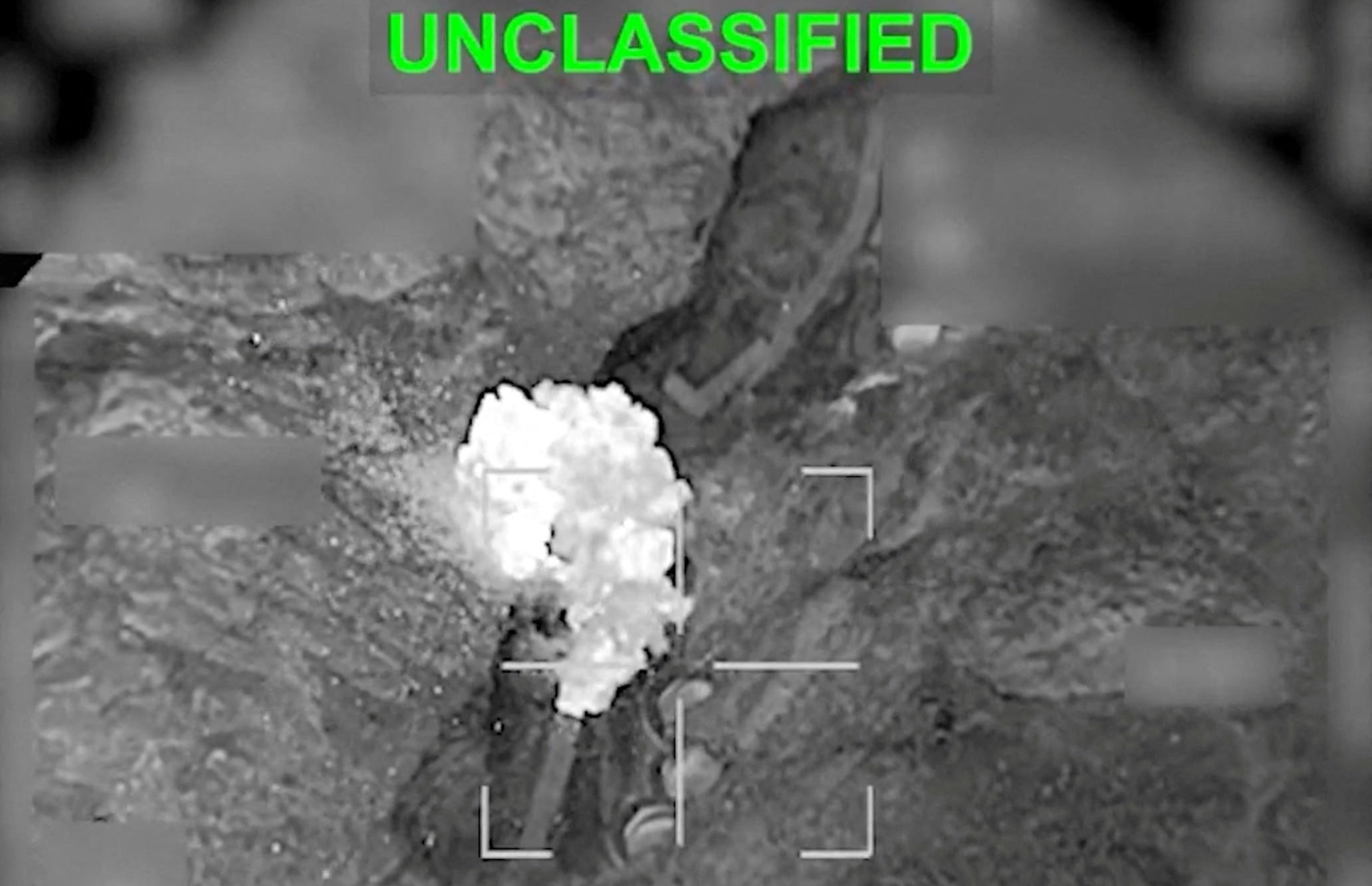
On February 28, 2026, the United States and Israel began a coordinated series of attacks against Iran. These attacks targeted military bases, missile storage sites, and the factories where drones are made. The goal was to quickly destroy Iran's ability to threaten the region. However, Iran’s Foreign Minister, Seyed Abbas Araghchi, stated that the country was prepared for this exact scenario. He explained that Iran has spent two decades learning from the mistakes made by other militaries when facing the United States. Instead of a traditional army that relies on a single command center, Iran has spread its power across a wide network.
Important Numbers and Facts
The conflict has been intense over the last six weeks. Reports show that at least 11 high-ranking Iranian military officials have been killed during the strikes. Despite these losses, the Iranian military continues to operate. The coalition forces have been bombing missile batteries, naval ships, and defense factories every single day. Usually, this level of destruction would force a country to surrender, but the "mosaic" structure allows the remaining forces to stay active. Iran claims that these losses have not changed its long-term plans or its ability to strike targets far beyond its borders.
Background and Context
To understand why Iran is using this strategy, it is important to look at the history of the region. For years, Iran watched how the United States fought wars in Iraq and Afghanistan. They noticed that big, traditional armies often struggle against smaller, hidden groups that do not have a single "head" to cut off. Iran decided to build its own military to act like a collection of these smaller groups. This is why they call it a "mosaic." A mosaic is a picture made of many tiny pieces. If you remove a few pieces, the rest of the picture is still there. By hiding weapons in many different locations and giving local officers the power to act on their own, Iran created a system that is very hard to destroy with just air strikes.
Public or Industry Reaction
Military experts are watching the situation closely to see if this strategy actually works in the long run. Some analysts believe that while the mosaic defense helps Iran survive the first wave of attacks, it might not be enough to win a full-scale war. On the other hand, Iranian officials are using this strategy as a point of pride. They want to show the world that they cannot be easily defeated by high-tech weapons. Meanwhile, neighboring countries in the Gulf are worried. They fear that as Iran feels more pressure, it will use its remaining drones and missiles to attack oil ships or power plants in nearby nations to force the U.S. and Israel to stop their bombings.
What This Means Going Forward
The use of the mosaic defense suggests that this conflict will not end quickly. If Iran can keep fighting despite losing its leaders, the U.S. and Israel may have to decide whether to increase their attacks or try a different approach. There is a high risk that the fighting will spread to other parts of the Middle East. As long as Iran can launch drones from hidden locations, the threat to international shipping and regional stability remains high. The next few months will show if the coalition can find a way to break this decentralized network or if the war will turn into a long and costly struggle for everyone involved.
Final Take
Iran’s strategy shows that preparation and organization can sometimes be just as important as having the most advanced weapons. By moving away from a traditional military structure, they have created a system that is built to survive extreme pressure. While the loss of 11 top officials is a serious blow, the "mosaic" remains functional for now. This situation serves as a reminder that modern warfare is changing, and even the most powerful militaries face major challenges when fighting an enemy that refuses to play by the old rules.
Frequently Asked Questions
What is a mosaic defense?
It is a military strategy where a country divides its forces into many small, independent units. This makes it harder for an enemy to destroy the entire military with a few big attacks.
Why did Iran choose this strategy?
Iran studied past wars and realized that a decentralized military is harder to defeat. They wanted to make sure they could keep fighting even if their main leaders were killed or their central headquarters were destroyed.
Has the strategy been successful so far?
In terms of survival, yes. Even though Iran has lost many leaders and equipment over the last six weeks, they are still able to launch attacks and maintain their presence in the region.