
Summary
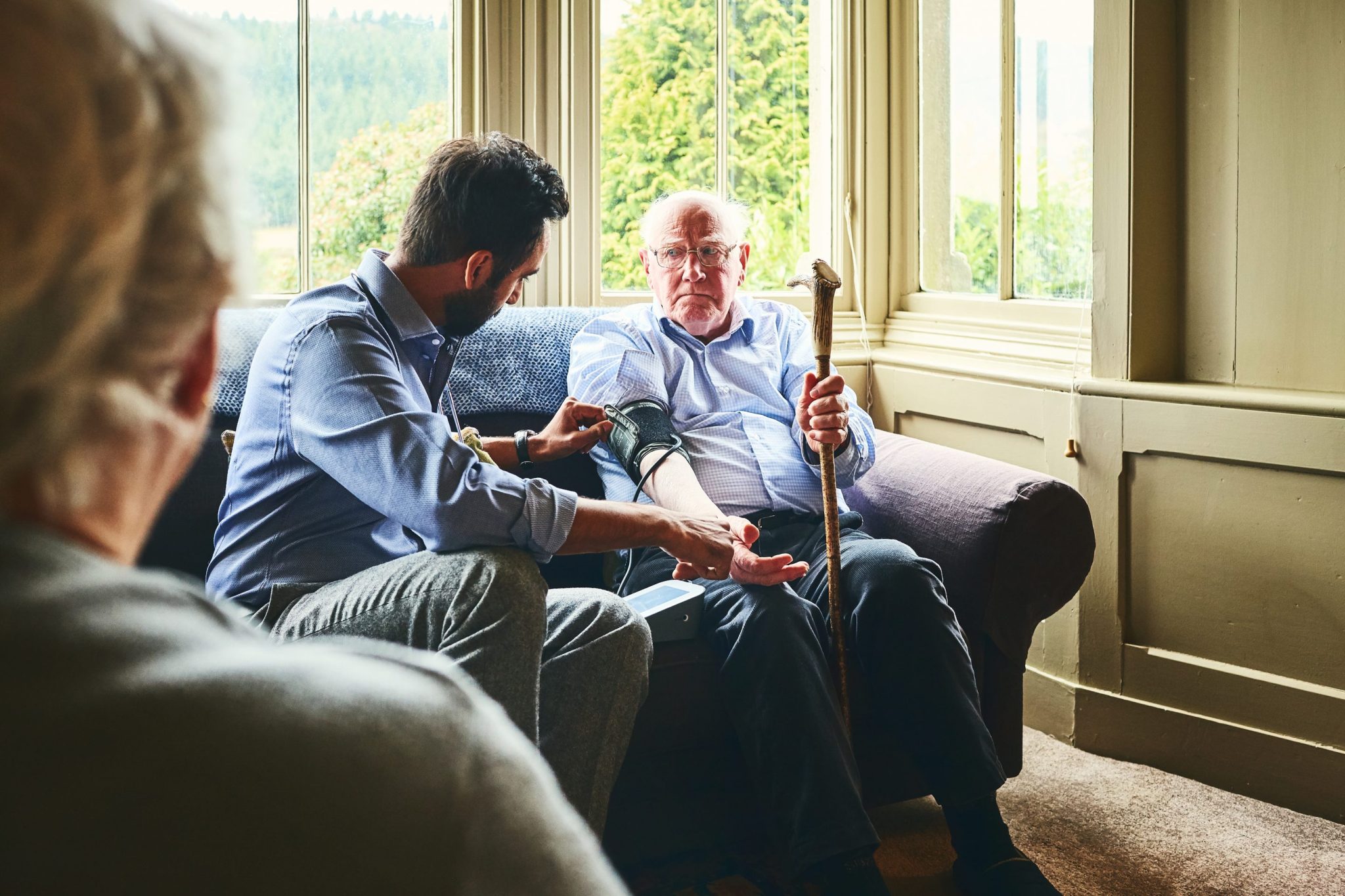
Medical experts are calling for a major change in how the United States handles healthcare for seniors. Instead of requiring patients to spend hours in waiting rooms and clinics, a new model brings complex medical care directly into the home. This shift focuses on using technology and personalized support to manage chronic illnesses. By moving care away from traditional centers, doctors aim to improve the quality of life for aging Americans while reducing the burden on the hospital system.
Main Impact
The move toward home-based care is already showing significant results for patients with serious health issues. By treating people where they are most comfortable, healthcare providers are seeing a sharp drop in emergency room visits and hospital stays. This approach does more than just save time; it helps stabilize chronic conditions that often lead to health crises. For the healthcare industry, this means lower costs and more efficient use of resources. For patients, it means regaining independence and avoiding the physical and mental exhaustion that comes with frequent travel to medical facilities.
Key Details
What Happened
The story of Gerard Folse, a 76-year-old fisherman, highlights how this system works. Gerard was diagnosed with end-stage kidney failure along with heart failure and high blood pressure. Normally, this would require him to travel to a clinic three days a week for dialysis, a process that is often draining and difficult to manage. Instead, through a partnership between Aetna and Monogram Health, Gerard and his wife were trained to perform dialysis at home. Supported by a virtual team and remote monitoring, his health improved significantly, and he has avoided the hospital for over seven years.
Important Numbers and Facts
The data supporting this shift is compelling. In the past year, the partnership between these health organizations delivered nearly 34,000 clinical treatments in patient homes. These treatments covered conditions like heart failure, diabetes, and lung disorders. For patients who stayed in the program for at least 13 months, there was a 32% decrease in hospital readmissions. Additionally, emergency room visits dropped by 16%. These figures suggest that proactive home care can prevent the sudden health declines that usually lead to expensive hospital stays.
Background and Context
The United States is facing a massive shift in its population. By the year 2034, there will be more adults over the age of 65 than children under the age of 18 for the first time in history. Many of these seniors live with multiple chronic illnesses. Experts predict that by 2030, over 83 million people in the country will have three or more long-term health conditions. In the current system, these patients often have to see many different specialists, leading to confusing advice, long lists of medications, and endless hours spent in waiting rooms. The traditional model of healthcare was not built to handle this volume of complex, ongoing needs.
Public or Industry Reaction
Healthcare leaders believe that the key to success lies in cooperation between insurance companies and medical providers. This "shared accountability" means that both sides work together to ensure the patient stays healthy rather than just paying for individual doctor visits. The industry is also leaning heavily on new technology. Artificial intelligence and data tools are now used to predict when a patient might be at risk of a health crisis. This allows clinicians to step in and help before the patient needs to go to the emergency room. Virtual platforms also allow doctors to check on patients through video calls, making it easier to provide constant support.
What This Means Going Forward
To make home-based care the standard, several changes are needed at the government level. While recent policy changes have allowed Medicare Advantage plans to offer better support for kidney disease, more work remains. Advocates are calling on Congress to make the current rules for telehealth permanent so that video visits remain an option for everyone. There is also a push for more investment in high-speed internet and support for family caregivers. Ensuring that home-based technology is affordable and easy to use will be vital for reaching patients in rural or underserved areas.
Final Take
The era of the medical waiting room as the center of healthcare is beginning to fade. By focusing on the individual needs of the patient and using modern technology, the medical community can provide high-quality care that fits into a person's life rather than interrupting it. Stories like Gerard’s show that with the right support, even those with serious illnesses can stay home, stay healthy, and continue doing what they love. The future of medicine is not found in a clinic, but in the living rooms of the people who need care the most.
Frequently Asked Questions
What is home-based dialysis?
Home-based dialysis allows patients with kidney failure to perform their blood-cleansing treatments at home. Patients and their families receive special training and are supported by medical teams through remote monitoring and virtual visits.
How does technology help with home healthcare?
Technology like AI and data analytics can track a patient's health signs in real-time. This helps doctors spot potential problems early and intervene before a patient needs to go to the hospital.
Why is the US healthcare system changing for seniors?
The population is aging rapidly, and more people are living with multiple chronic diseases. Moving care to the home makes it easier for seniors to manage their health without the stress and cost of traveling to multiple clinics.



