
Summary
Ipseity Diagnostics has introduced a new rapid testing system in Guntur to identify drug-resistant infections. This tool, known as an AMR PCR panel, allows healthcare providers to quickly see if bacteria are resistant to common antibiotics. This development is a major step in improving patient care and managing serious infections in the region. By getting results faster, medical teams can save lives and stop the spread of dangerous bacteria.
Main Impact
The introduction of this rapid test changes how doctors treat severe illnesses. In the past, medical teams often had to wait several days to know which antibiotic would work for a patient. During that wait, they would often use general drugs that might not be effective against a specific infection. This new panel provides answers in a much shorter time. By knowing the exact nature of the infection quickly, doctors can prescribe the right medicine immediately. This reduces the risk of treatment failure and helps prevent the growth of superbugs that are hard to kill.
Key Details
What Happened
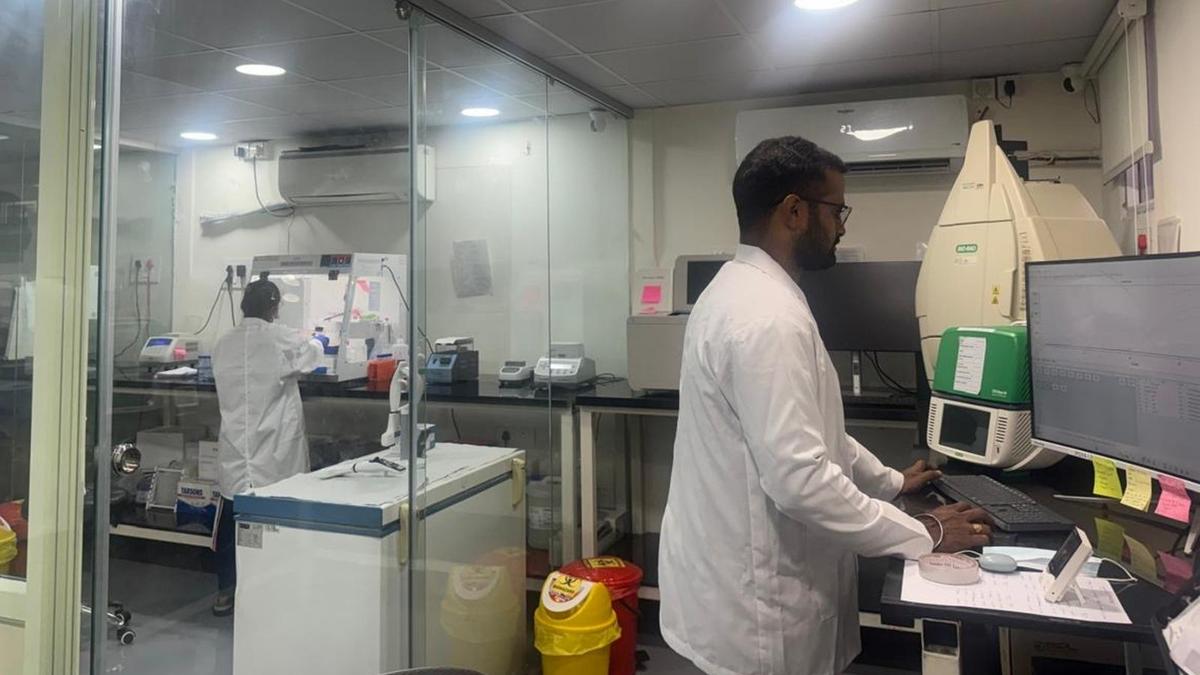
Ipseity Diagnostics officially brought its advanced PCR technology to the Guntur region to address the growing problem of antimicrobial resistance. The panel is designed to detect a wide range of resistance genes in a single test. This means it can identify many different types of drug-resistant bacteria at once. The technology works by looking at the genetic material of the bacteria to see if they have developed ways to survive common medical treatments.
Important Numbers and Facts
Traditional lab tests, often called cultures, usually take 48 to 72 hours to show results. The new PCR panel can provide data in just a few hours. This speed is vital for patients in intensive care units where every hour is important for recovery. The test looks for specific DNA markers that indicate a bacterium has developed a defense against powerful medicines. By cutting the waiting time by more than 40 hours, the test allows for much more precise medical care.
Background and Context
Antimicrobial resistance is a major health problem around the world. It happens when germs like bacteria change over time and no longer respond to medicines that used to kill them. This makes common infections harder to treat and increases the risk of surgery and minor injuries becoming life-threatening. India has some of the highest rates of antibiotic resistance globally. In areas like Guntur, which serve as medical hubs for many people, the misuse of antibiotics has made this problem worse. When people take the wrong medicine or do not finish their treatment, bacteria learn how to survive the drugs. Fast testing is one of the best ways to stop this cycle.
Public or Industry Reaction
Health professionals in Andhra Pradesh have welcomed the arrival of this technology. Many doctors believe that having these diagnostic tools available locally will save many lives. Previously, many complex samples had to be sent to larger cities like Hyderabad or Chennai, which caused long delays in treatment. Hospital leaders also see this as a way to manage patient care better. If a patient gets the right treatment sooner, they spend less time in the hospital. This lowers the cost of healthcare for families and ensures that hospital beds are available for other people who need urgent care.
What This Means Going Forward
The launch in Guntur is likely the start of a larger trend. As more hospitals see the benefits of rapid testing, we can expect to see this technology spread to other cities and towns. This move supports the national goal of better antibiotic use. Health experts call this antibiotic stewardship, which means using the right drug at the right time for the right reason. If more clinics use these tests, the overall rate of drug resistance in the community could start to slow down. It also encourages other companies to bring high-tech medical solutions to regional centers rather than only focusing on the biggest cities.
Final Take
Fighting drug-resistant infections requires both better medicine and better information. By providing fast and accurate data, the new PCR panel in Guntur gives doctors the information they need to protect their patients. This technology is a vital tool in the fight against the growing threat of infections that no longer respond to standard drugs.
Frequently Asked Questions
What is an AMR PCR panel?
It is a fast genetic test that identifies if bacteria have specific genes that make them resistant to common antibiotics.
Why is speed important in these tests?
Fast results allow doctors to start the correct treatment immediately, which is critical for saving lives in severe cases and preventing the spread of germs.
How does this help the community?
It prevents the misuse of antibiotics, which helps stop the creation of dangerous, drug-resistant bacteria that are difficult to treat.

