Summary
As artificial intelligence becomes more common in everyday life, a new movement is growing to protect human-made work. Many creators and consumers are now pushing for a globally recognized "AI-free" logo. This label would tell buyers that a product, piece of art, or article was made entirely by a human without the help of machine learning tools. The goal is to create a clear standard that helps people support real artists and writers in a world filled with computer-generated content.
Main Impact
The push for an "AI-free" symbol is changing how we think about value in the digital age. For years, technology was seen as a way to make things better, but the rapid rise of generative AI has caused a major shift in public opinion. Many people now feel that human effort and creativity have a special value that machines cannot copy. By establishing a universal logo, the industry hopes to give human creators a way to stand out. This could help protect jobs in creative fields and give consumers the power to choose where their money goes.
Key Details
What Happened
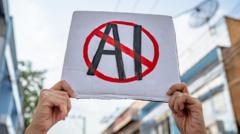
The race to create a standard logo started after a wave of AI-generated content hit the internet. From digital paintings to news stories, it has become harder for the average person to tell what is real and what is made by a computer. Because of this, several different groups have started designing their own badges. Some use a simple "No AI" strike-through symbol, while others use icons of human hands or brains to signal "Human Made." The current challenge is that there are too many different designs, which makes it confusing for the public. Organizations are now working together to pick one single image that everyone can recognize worldwide.
Important Numbers and Facts
Recent studies show that a large portion of the public is worried about how AI affects the arts. In some surveys, over 70% of consumers said they would prefer to know if a product was made by a human. Since 2023, the number of "AI-free" groups on social media has grown by hundreds of percent. These groups are not just for artists; they include writers, musicians, and even craftspeople who make physical goods. The movement is also looking at legal ways to protect these labels so that companies cannot lie about using AI in their work.
Background and Context
This movement is very similar to how "Organic" or "Fair Trade" labels started in the past. When people became worried about chemicals in their food or how workers were treated, they demanded a way to see the truth on the packaging. Today, the concern is about the "soul" of creative work and the ethics of how AI is trained. Most AI models learn by looking at millions of images and texts created by humans, often without asking for permission or paying the original creators. This has led to a feeling of unfairness in the creative community. An "AI-free" logo is a way for creators to reclaim their identity and show that their work comes from personal experience and hard work rather than an algorithm.
Public or Industry Reaction
The reaction to this idea has been mixed but mostly positive among the public. Many shoppers say they are willing to pay more for something if they know a person actually made it. They see human-made work as more authentic and unique. On the other hand, some tech companies argue that AI is just a tool, like a camera or a paintbrush. They believe that a "No AI" label might be too strict. However, even some tech experts agree that transparency is important. They believe that if a company uses AI, they should be honest about it. The biggest support for the logo comes from independent artists and small businesses who feel they are being drowned out by the massive amount of cheap AI content being produced every day.
What This Means Going Forward
In the coming months, we will likely see a few major organizations try to claim the top spot for the official "AI-free" certification. This will involve setting strict rules about what "AI-free" actually means. For example, does using a basic spell-checker count as using AI? Does using a digital tool to clean up the lighting in a photo count? These definitions need to be very clear so that the logo stays trustworthy. If the movement is successful, we might see these logos appearing on book covers, movie posters, and online stores by next year. It could lead to a new type of market where "Human Made" becomes a premium brand that people seek out specifically.
Final Take
The search for a global "AI-free" logo shows that people still deeply value the human touch. While technology can do many amazing things, it cannot replace the personal connection that comes from one person sharing their ideas with another. By creating a clear way to identify human work, we are making a choice to keep human creativity at the heart of our culture. This logo will be more than just a picture; it will be a promise of quality, effort, and honesty in a world that is changing faster than ever.
Frequently Asked Questions
Why do we need an AI-free logo?
It helps consumers know if a product was made by a person or a computer. This allows people to support human artists and ensures they know exactly what they are buying.
Will using an AI-free logo be a law?
Right now, it is a voluntary choice for creators. However, some groups are asking governments to create official rules so that the labels are used honestly and correctly.
Does AI-free mean no technology was used at all?
Not necessarily. It usually means that the core creative work, like the writing or the drawing, was done by a human. Basic tools like digital pens or simple software are usually still allowed, but the AI cannot do the work for the person.