Summary
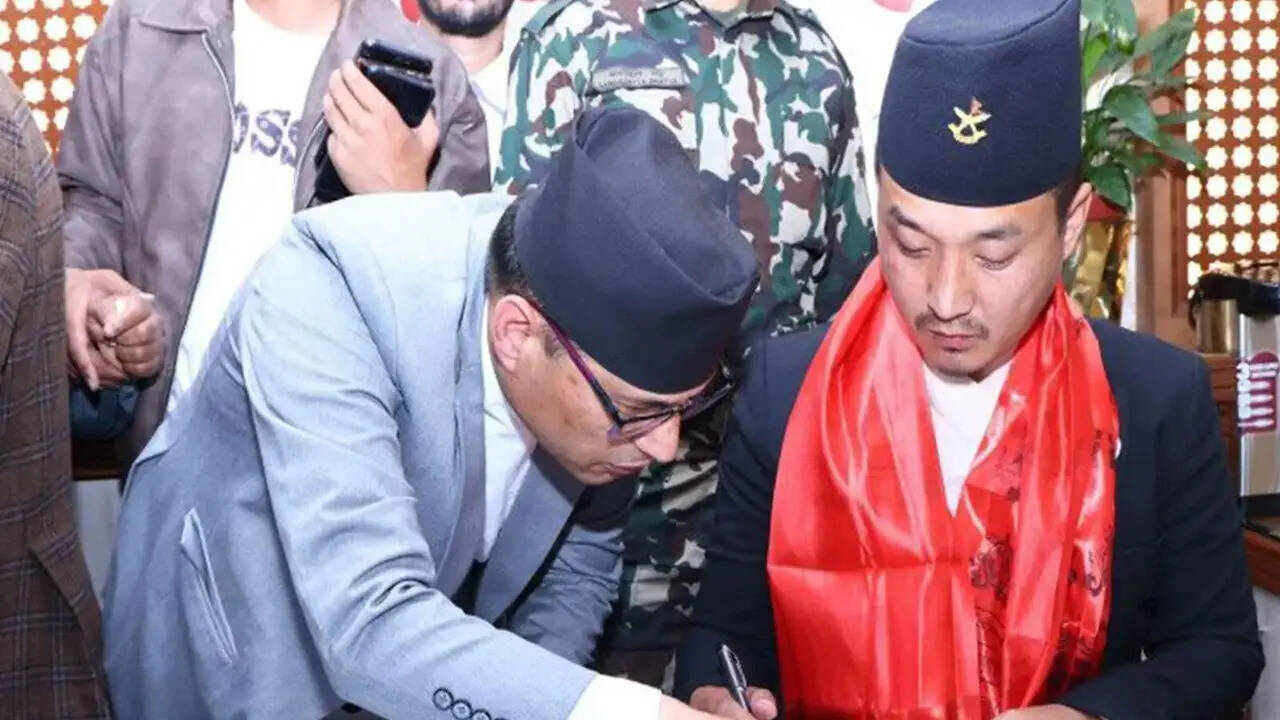
Nepal is currently facing a major political crisis that has led to the suspension of its Parliament. The country’s Home Minister has officially resigned from his position following a series of serious allegations regarding his financial conduct. This move comes after weeks of intense pressure from opposition parties who demanded a deep investigation into the misuse of funds from local credit groups. The sudden change has left the government in a state of uncertainty and has stopped all legislative work in the capital.
Main Impact
The resignation of the Home Minister is a significant blow to the current ruling coalition. As one of the most powerful figures in the cabinet, his departure creates a vacuum in the country's internal security and administration. The suspension of Parliament means that important laws and budget discussions are now on hold. This political instability often leads to a slow-down in government services and can hurt the country's economy. For the general public, this event signals a period of deep uncertainty regarding who will lead the nation’s law enforcement and how the government will address the financial concerns of its citizens.
Key Details
What Happened
The trouble began when reports surfaced linking the Home Minister to the mismanagement of money within several cooperatives. Cooperatives in Nepal are small, community-based financial groups where ordinary people save their hard-earned money. The opposition party, the Nepali Congress, led the charge by blocking parliamentary sessions for several days. They argued that a fair investigation could not happen while the person being investigated was still in charge of the police and internal affairs. Under this heavy pressure, the minister chose to step down to allow the probe to move forward without his influence hanging over it.
Important Numbers and Facts
The financial probe involves millions of dollars that allegedly went missing from various cooperative societies. Thousands of small savers have reported that they cannot withdraw their money, leading to protests across the country. In Parliament, the standoff lasted for over a week before the suspension was announced. The ruling coalition, which relies on the support of several smaller parties, now faces the challenge of keeping its majority. If more members of the coalition decide to leave, the entire government could fall, leading to the need for a new prime minister or a fresh round of national elections.
Background and Context
To understand why this matters, one must look at how important cooperatives are in Nepal. For many people in rural and urban areas, these groups are the only way to save money or get small loans for business. In recent years, many of these groups have failed because their leaders used the deposits for personal investments or luxury items. The Home Minister was a well-known media personality before joining politics, and his rise was based on a promise to clean up corruption. Because he was seen as a "new" kind of leader, the allegations of financial misconduct have shocked his supporters and given his rivals a strong reason to demand his removal.
Public or Industry Reaction
The reaction from the public has been a mix of anger and disappointment. Many people who lost their savings in the cooperative scam feel that the resignation is a necessary first step toward getting their money back. On the streets of Kathmandu, small groups of protesters have gathered to demand that the government seize the assets of those responsible for the missing funds. Meanwhile, political experts suggest that this move might actually help the government in the short term by cooling down the protests in Parliament. However, business leaders are worried that the political drama will distract the government from fixing the country's slow economic growth.
What This Means Going Forward
The next few weeks will be critical for Nepal’s political future. The Prime Minister must now find a replacement for the Home Minister who is acceptable to both the ruling partners and the public. There is also the question of the parliamentary probe. If the government sets up a truly independent committee, it might satisfy the opposition and allow Parliament to reopen. If the investigation is seen as a cover-up, the protests will likely return with more force. Additionally, the government needs to pass new rules to protect people's savings in cooperatives to prevent a similar crisis from happening again.
Final Take
This situation shows that the demand for honesty in government is growing in Nepal. While the resignation of a top official causes immediate chaos, it also proves that the system of checks and balances is working to some extent. The focus now shifts from political survival to the actual investigation. For the people of Nepal, the real success will not be the fall of a minister, but the return of their lost savings and the return of a stable, working government.
Frequently Asked Questions
Why did the Home Minister resign?
He resigned because of allegations that he was involved in the misuse of funds from community credit groups, known as cooperatives. The opposition party refused to let Parliament work until he stepped down.
What are cooperatives in Nepal?
Cooperatives are small financial organizations where local people pool their money to save or take out loans. They are very common in Nepal and are used by millions of people who may not have access to big banks.
What happens to the government now?
The government remains in power for now, but it must appoint a new Home Minister. The Prime Minister also needs to reach an agreement with the opposition to reopen Parliament so that they can continue making laws.