
Summary
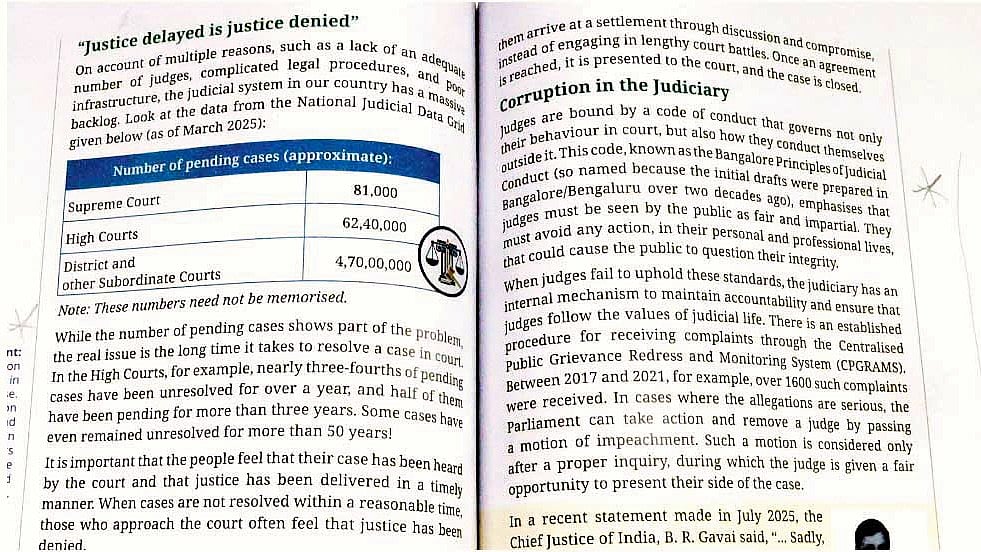
The National Council of Educational Research and Training (NCERT) has added a new chapter to Class 8 textbooks that discusses corruption and the high number of unfinished cases in the Indian court system. This update aims to teach students about the real challenges the judiciary faces in delivering justice. While the move is seen as a way to build civic awareness, it has also raised questions about whether other parts of the government, such as politics and the bureaucracy, should face the same level of scrutiny in school books.
Main Impact
The primary impact of this change is on how young citizens understand the legal system. By introducing these topics in middle school, the education system is moving away from just teaching the ideal version of government. Instead, it is showing students the practical problems that people face when they seek justice. However, focusing only on the courts could lead students to believe that corruption is only a judicial problem, rather than a wider issue that affects many different parts of public life.
Key Details
What Happened
NCERT recently revised the social science textbook for Class 8 students. The new content explains that the judiciary is a vital part of democracy but also highlights its current struggles. Specifically, the chapter talks about "pendency," which is a word used to describe the millions of legal cases that are stuck in the system and have not yet been decided. It also mentions that corruption within the courts can make it harder for people to get a fair trial.
Important Numbers and Facts
The Indian court system is currently dealing with a massive backlog of millions of cases. Some of these legal battles have been going on for decades. The phrase "justice delayed is justice denied" is used to explain why this is a problem. When a case takes too long, the person seeking help may never actually get the relief they need. The textbook changes are part of a larger effort to update school materials to reflect modern social and political realities in India.
Background and Context
In the Indian Constitution, the judiciary is one of the three main pillars of the state, alongside the legislature and the executive. Its main job is to protect the rights of citizens and make sure the government follows the law. For many years, textbooks focused mostly on the powers of the courts. However, experts have argued that students also need to know about the system's limitations. Understanding why the courts are slow is a key part of being an informed citizen in a democracy.
Public or Industry Reaction
The reaction to these changes has been mixed. Many educators believe that teaching students to think critically about institutions is a good thing. They argue that if students know about the problems, they will be more likely to support reforms in the future. On the other hand, some critics and political groups are concerned about the balance of the curriculum. They point out that while the judiciary is being criticized, the textbooks do not say much about corruption in political parties or government offices. Some have called the move a selective way of looking at the country's problems.
What This Means Going Forward
This update sets a new standard for how public institutions are described in schools. In the future, we may see more chapters that look at the flaws in other branches of government. For the education to be truly effective, it will need to cover how money affects elections and why government offices often have issues with bribery and slow service. If the curriculum only points out the faults of the courts, it might create a one-sided view of how the country is run. The next step for educational experts will be to ensure that all parts of the government are held to the same standard of transparency in the classroom.
Final Take
Teaching children about the flaws in the justice system is an important step toward creating a more honest society. It helps students understand that even the most important institutions can have problems that need fixing. However, corruption and delays are not unique to the courts. To give students a full and fair education, school books should look at how these issues affect every part of the government. True democratic literacy comes from seeing the whole picture, not just one piece of it.
Frequently Asked Questions
What is the new chapter in the Class 8 NCERT textbook about?
The new chapter discusses the problems within the Indian judiciary, specifically focusing on the large number of pending court cases and the issue of corruption.
Why is the term "justice delayed is justice denied" important?
This phrase means that if a legal decision takes too long to be made, it is almost the same as not getting justice at all, because the person suffers while waiting for a result.
Why are some people critical of these textbook changes?
Critics are concerned that the textbooks are only highlighting the faults of the judiciary while ignoring similar problems like corruption in politics and government administration.

