
Summary
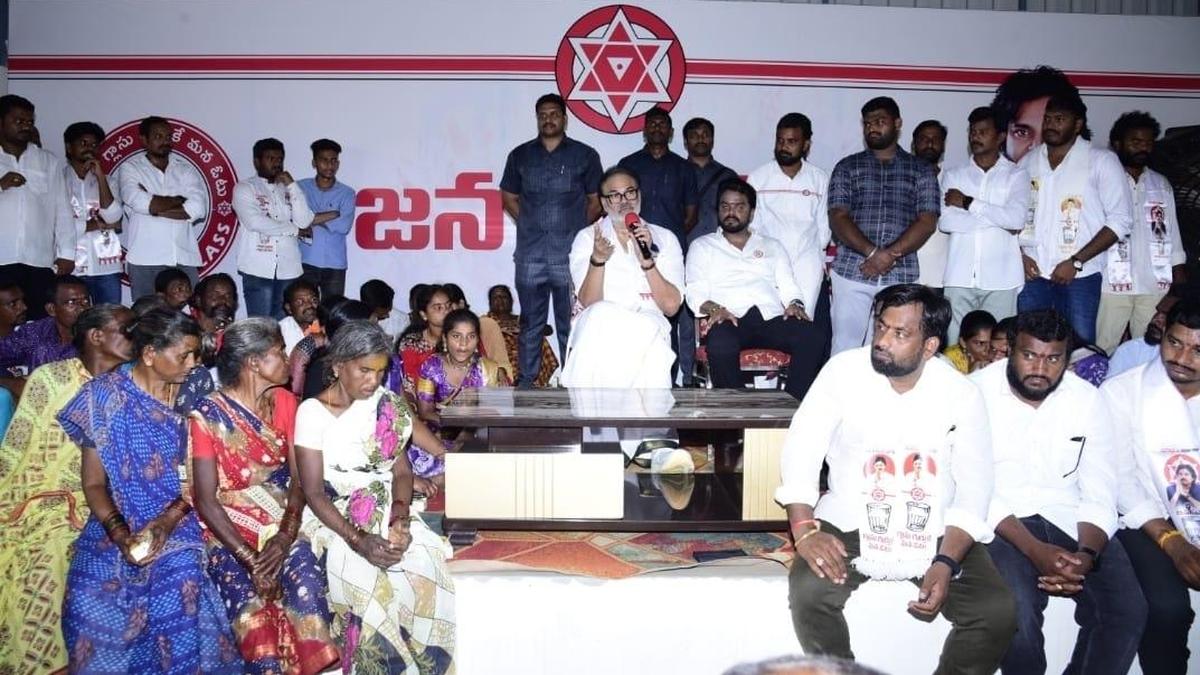
Nagababu, a prominent leader of the Jana Sena Party (JSP), has publicly criticized the YSR Congress Party (YSRCP) for its performance as the opposition in Andhra Pradesh. He stated that the party has failed to fulfill its democratic duties and is not acting in a way that helps the state. According to Nagababu, the YSRCP is more focused on its own political problems than on the issues facing the general public. This criticism comes at a time when the political atmosphere in the state is tense following the recent change in government.
Main Impact
The primary impact of this statement is the highlight of a breakdown in communication between the ruling alliance and the opposition. When a major political party avoids the state assembly, it means that the voices of the people who voted for them are not being heard during important debates. Nagababu’s comments suggest that the YSRCP’s decision to stay away from the house is weakening the democratic process in Andhra Pradesh. This situation makes it easier for the ruling government to pass laws without much pushback, but it also leaves many public concerns unaddressed.
Key Details
What Happened
Nagababu spoke to the media to express his disappointment with how the YSRCP is handling its role after losing the recent elections. He pointed out that instead of attending assembly sessions and questioning the government on policy matters, the YSRCP leaders are choosing to boycott the meetings. He argued that a "constructive opposition" should be present in the house to offer suggestions and point out mistakes in a helpful way. Instead, he claims the YSRCP is only interested in complaining about their lack of official status in the assembly.
Important Numbers and Facts
The political shift in Andhra Pradesh was massive during the 2024 general elections. The alliance consisting of the Telugu Desam Party (TDP), Jana Sena Party (JSP), and the Bharatiya Janata Party (BJP) won a total of 164 seats out of the 175 available in the state assembly. In contrast, the YSRCP, which was previously in power, was reduced to just 11 seats. Because they have fewer than 10% of the total seats, they were not granted the official "Leader of Opposition" status. This has been a major point of conflict, as YSRCP leader Y.S. Jagan Mohan Reddy has demanded the title despite the low seat count.
Background and Context
In a democratic system, the opposition party has a very important job. Their role is to watch the government closely and make sure it does not make mistakes. They are supposed to represent the people who did not vote for the winning side. In Andhra Pradesh, the YSRCP held a huge majority for five years before losing power in 2024. Moving from being the ruling party to having only 11 seats has been a difficult transition for them. Nagababu’s critique focuses on the idea that political power is not just about being in charge; it is also about serving the people from the opposition benches. He believes that by skipping the assembly, the YSRCP is failing the voters who supported them.
Public or Industry Reaction
The reaction to Nagababu’s comments has been mixed. Supporters of the ruling TDP-JSP-BJP alliance agree that the YSRCP should be more active in the assembly. They feel that boycotting the sessions is a sign of weakness and a lack of respect for the voters. On the other hand, YSRCP supporters argue that the government is not giving them enough space to speak and is treating their leader unfairly. Political observers note that this constant fighting between the two sides is making it hard for the state to focus on development. Many citizens are expressing a desire to see both sides work together in the assembly to solve problems like infrastructure, jobs, and water supply.
What This Means Going Forward
Looking ahead, the relationship between the ruling alliance and the YSRCP is likely to remain difficult. If the YSRCP continues to boycott the assembly, they risk losing even more support from the public. People generally want to see their elected leaders working, not staying away from their jobs. For the ruling government, the absence of a strong opposition might seem like an advantage, but it can also lead to a lack of accountability. In the coming months, it will be important to see if the YSRCP changes its strategy and decides to participate in the debates. If they do not, the political gap in the state will only grow wider.
Final Take
A strong democracy depends on a healthy debate between those in power and those in the opposition. Nagababu’s message is clear: the YSRCP needs to stop making excuses and start doing the work of an opposition party. By staying away from the assembly, they are not just hurting their own party’s future, but they are also failing to represent the people of Andhra Pradesh. True leadership is shown by showing up and speaking for the public, regardless of whether a party is in power or in the opposition.
Frequently Asked Questions
Why is Nagababu criticizing the YSRCP?
Nagababu believes the YSRCP is failing its duty as an opposition party by boycotting assembly sessions and not focusing on public issues.
Why is the YSRCP not attending the assembly sessions?
The YSRCP has been skipping sessions partly because their leader was not given the official "Leader of Opposition" status, which requires a party to have more seats than they currently hold.
How many seats does the YSRCP have in the current assembly?
The YSRCP currently holds 11 seats in the 175-member Andhra Pradesh State Assembly following the 2024 elections.

