
Summary
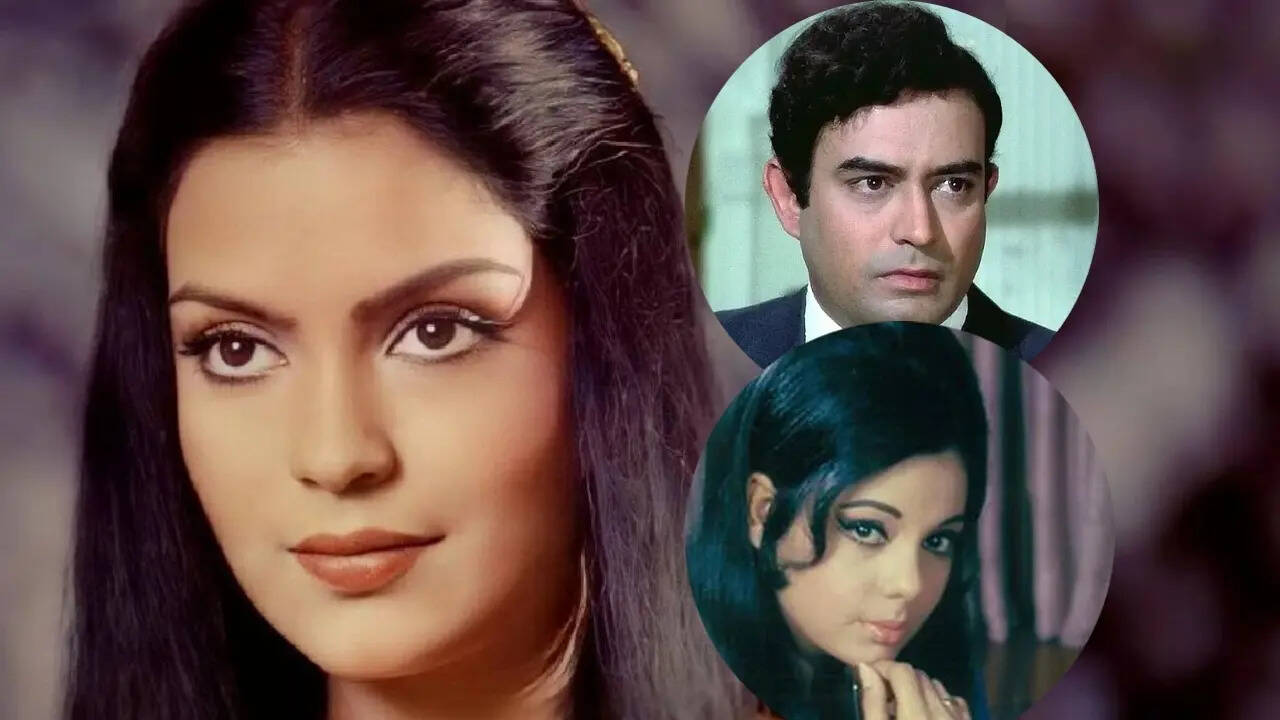
Veteran Bollywood actress Mumtaz has sparked a new conversation in the film industry with her recent comments about her former co-stars. In a candid discussion, she shared her views on what separates a great actor from a massive movie star. Mumtaz specifically mentioned that while Sanjeev Kumar was a talented performer, he did not reach the same level of stardom as legends like Dilip Kumar. She also shared a critical view of Zeenat Aman’s acting abilities, while naming other actresses she considers to be the true icons of Indian cinema.
Main Impact
The main impact of these statements is a renewed debate over the history of Bollywood and the definition of success. Mumtaz is one of the most respected figures from the 1960s and 70s, so her opinions carry a lot of weight with fans and film historians. By drawing a line between "acting talent" and "stardom," she has forced people to look back at the careers of famous names like Sanjeev Kumar and Zeenat Aman through a different lens. Her comments highlight a time when the film industry was changing from traditional storytelling to a more modern, glamorous style.
Key Details
What Happened
During a recent interaction, Mumtaz spoke about the different types of fame in the Hindi film industry. She explained that being a good actor does not always mean someone is a "big star." She used Sanjeev Kumar as an example, praising his skills but noting that he often played character roles rather than the leading "hero" roles that define superstardom. The most talked-about part of her statement involved Zeenat Aman. Mumtaz suggested that Zeenat Aman was not a particularly strong actress, especially when compared to the legends of the past.
Important Numbers and Facts
Mumtaz listed a specific group of women she believes represent the highest level of stardom and talent in Bollywood. This list included Meena Kumari, Madhubala, Nargis, and Rekha. These four women are often cited as the pillars of Indian cinema. Mumtaz’s career itself spanned several decades, during which she appeared in over 100 films. Her comparison of Sanjeev Kumar to Dilip Kumar and Dev Anand refers to the "Golden Era" of the 1950s and 60s, when those male actors dominated the box office and set the standard for what a "star" should be.
Background and Context
To understand why these comments matter, it is important to know the history of these actors. Mumtaz was known for her expressive face, great dancing, and her ability to play both emotional and lighthearted roles. She was a top star in the late 1960s and early 1970s. During that same time, Zeenat Aman entered the industry and changed the image of the Bollywood heroine. Zeenat was seen as more modern and westernized, often taking on roles that focused on style and glamour.
Sanjeev Kumar, on the other hand, was famous for his versatility. He was willing to play roles that other stars would refuse, such as playing an elderly man or a person with disabilities. While he won many awards for his acting, Mumtaz’s point is that he lacked the "larger-than-life" image that actors like Dev Anand maintained throughout their lives. This tension between "artistic acting" and "commercial stardom" has been a topic of discussion in Bollywood for many years.
Public or Industry Reaction
The reaction to Mumtaz’s comments has been mixed. Many older fans agree with her, noting that the actresses she praised—like Meena Kumari and Madhubala—had a depth of emotion that is rarely seen today. They feel that Mumtaz is simply being honest about the standards of her time. However, younger fans and supporters of Zeenat Aman have defended the actress. They argue that Zeenat Aman brought a necessary change to cinema and that her "star power" was just as important as traditional acting skills. Supporters of Sanjeev Kumar also point out that his performances in films like "Sholay" and "Koshish" make him one of the greatest actors to ever live, regardless of whether he was a "big star" by Mumtaz's definition.
What This Means Going Forward
These comments show that veteran stars are becoming more open about sharing their true feelings. In the past, many actors kept their opinions private to avoid conflict. Today, with more interviews and social media platforms available, these legends are willing to speak their minds. This could lead to more discussions about how we judge talent in the film industry. It also keeps the legacy of older films alive, as younger audiences might go back and watch the work of Meena Kumari or Nargis to see why Mumtaz holds them in such high regard. The debate over "star vs. actor" will likely continue as the industry keeps evolving.
Final Take
Mumtaz’s views offer a rare look into the mindset of a classic Bollywood icon. While her words about Zeenat Aman and Sanjeev Kumar might seem harsh to some, they reflect a deep respect for a specific type of cinematic excellence. Her comments remind us that fame and talent are two different things, and while many people can become famous, only a few are remembered as true legends of the craft.
Frequently Asked Questions
Who did Mumtaz name as true stars?
Mumtaz named Meena Kumari, Madhubala, Nargis, and Rekha as the true stars of the Indian film industry.
What did Mumtaz say about Sanjeev Kumar?
She described him as a brilliant actor but said he was not a "big star" like Dilip Kumar or Dev Anand because he often played character roles.
Why is Mumtaz's comment about Zeenat Aman controversial?
It is controversial because Zeenat Aman is a very popular figure who is credited with modernizing the role of women in Bollywood, and Mumtaz suggested she was not a good actress.



