
Summary
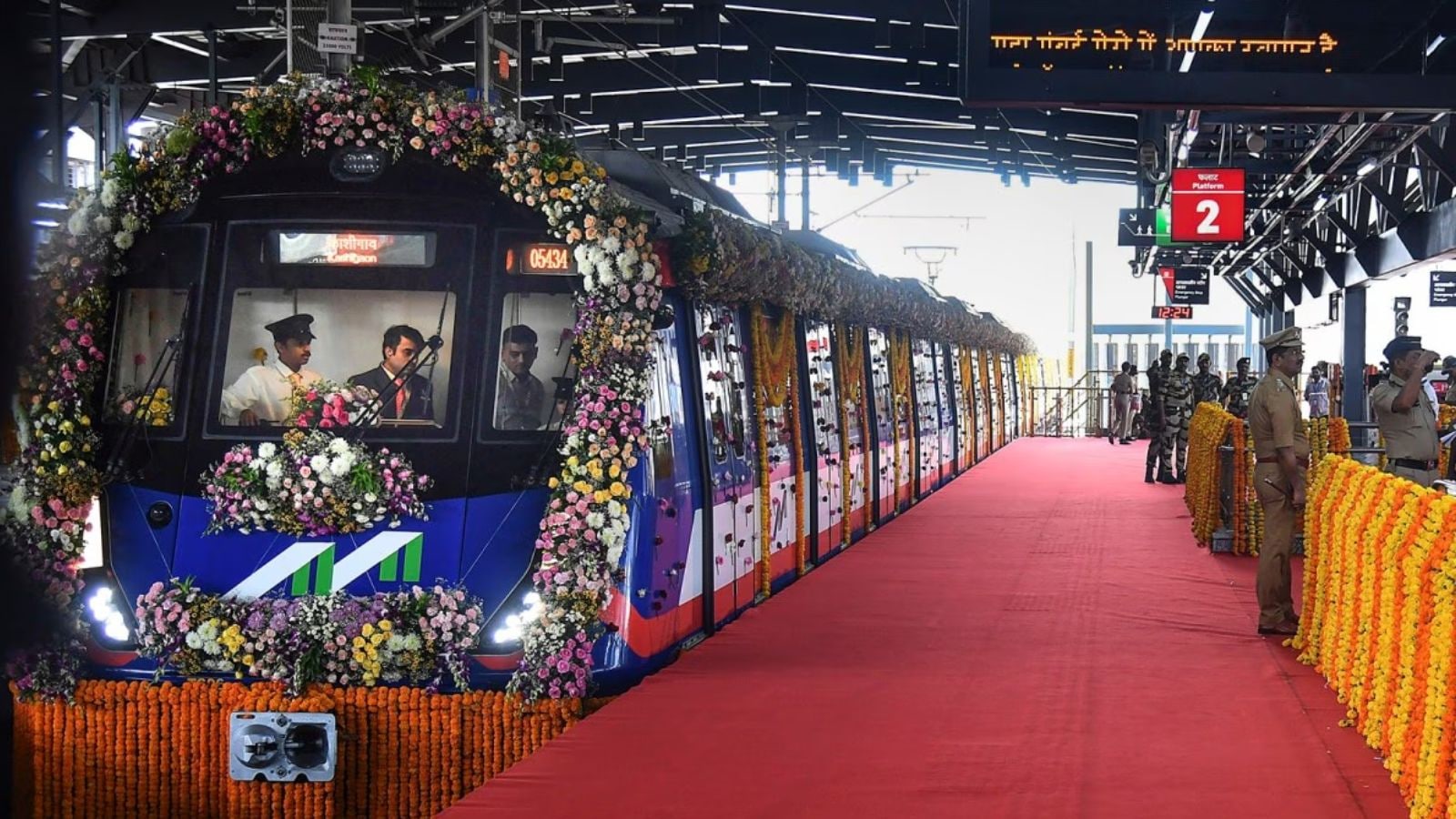
Mumbai’s metro system is growing fast, but new data shows that some routes are much more popular than others. Metro Line 9, which connects the northern suburbs, is currently seeing about 23,000 passengers every day. In contrast, Metro Line 2B is struggling to attract riders, with fewer than 4,000 people using it daily. These numbers show how important location and timing are when opening new transport routes in a crowded city.
Main Impact
The high ridership on Line 9 is a major win for people living in the outskirts of the city. It shows that there was a huge need for better travel options between Dahisar and the Mira-Bhayandar area. For these residents, the metro is a faster and more comfortable way to travel compared to sitting in heavy road traffic. On the other hand, the low numbers on Line 2B suggest that this route might not be fully meeting the needs of commuters yet. This gap in usage could lead officials to change how they plan future phases of the metro project to ensure every line is useful from day one.
Key Details
What Happened
The Mumbai Metropolitan Region Development Authority (MMRDA) has been tracking how many people use the new metro lines. Line 9 serves as an extension of the existing Red Line, making it easier for people from the far north to reach the rest of the city. Because it connects directly to an already busy line, it started with a high number of users. Line 2B, known as part of the Yellow Line, runs through different neighborhoods. However, it currently operates on a smaller scale or serves areas where people might still prefer other ways to travel, such as local trains or buses.
Important Numbers and Facts
The data provides a clear picture of the current situation. Line 9 is handling 23,000 trips daily, which helps reduce the load on the Western Express Highway. This highway is famous for having some of the worst traffic jams in India. Line 2B is seeing less than 4,000 riders, which is much lower than what was originally expected. Officials believe these numbers will change as more stations open and the lines become longer. Currently, the total metro network in Mumbai is expanding to cover hundreds of kilometers, but these two lines show the different speeds at which new routes can become popular.
Background and Context
Mumbai is one of the most crowded cities in the world. For decades, the "local trains" have been the main way for people to get around. However, these trains are often dangerously full. The government started building the Mumbai Metro to give people a modern, air-conditioned, and safer choice. The goal is to create a web of tracks that covers the entire city so that no one has to rely only on old trains or slow buses. Line 9 was built specifically to help people in the Mira-Bhayandar region, who previously had very few options for getting into the main parts of Mumbai. Line 2B was designed to link the western and eastern parts of the city, which is a journey that usually takes a long time by car.
Public or Industry Reaction
People living near Line 9 have shared positive feedback. Many say they save up to 45 minutes on their daily commute. They no longer have to deal with the heat and dust of the main roads. However, some transport experts are worried about Line 2B. They argue that the low ridership might be because the stations are not close enough to where people live or work. There are also concerns that the "last-mile" connection—the short trip from the station to a person's final destination—is not good enough yet. If people cannot easily get to the station, they will continue to use their own cars or auto-rickshaws.
What This Means Going Forward
The success of Line 9 will likely encourage the government to finish other suburban extensions faster. It proves that there is a high demand for metro services in residential areas far from the city center. For Line 2B, the focus will likely shift to marketing and improving access. The authorities might look into adding more feeder buses or shared cycle programs near the stations to help people reach the metro. As the entire network becomes more connected, it is expected that ridership on all lines will go up. When a passenger can switch from one line to another easily, the whole system becomes more valuable to the public.
Final Take
The difference in ridership between these two lines is a lesson in urban planning. It shows that building a metro is not just about laying tracks, but about placing them where people need them most. While Line 9 is already a vital part of daily life for thousands, Line 2B still has a long way to go to prove its worth to the city's commuters.
Frequently Asked Questions
Why is Metro Line 9 more popular than Line 2B?
Line 9 connects heavily populated residential areas to the main city network, helping people avoid some of the worst traffic in Mumbai. Line 2B is currently shorter and may not yet connect to enough major work hubs.
Where does Metro Line 9 go?
Metro Line 9 runs between Dahisar and Mira-Bhayandar. It acts as an extension of the Red Line (Line 7), allowing for a smooth journey from the northern suburbs toward the city center.
Will the ridership on Line 2B increase in the future?
Yes, experts expect ridership to grow as more sections of the line are completed and as it connects with other metro lines, making it easier for people to travel across different parts of Mumbai.



